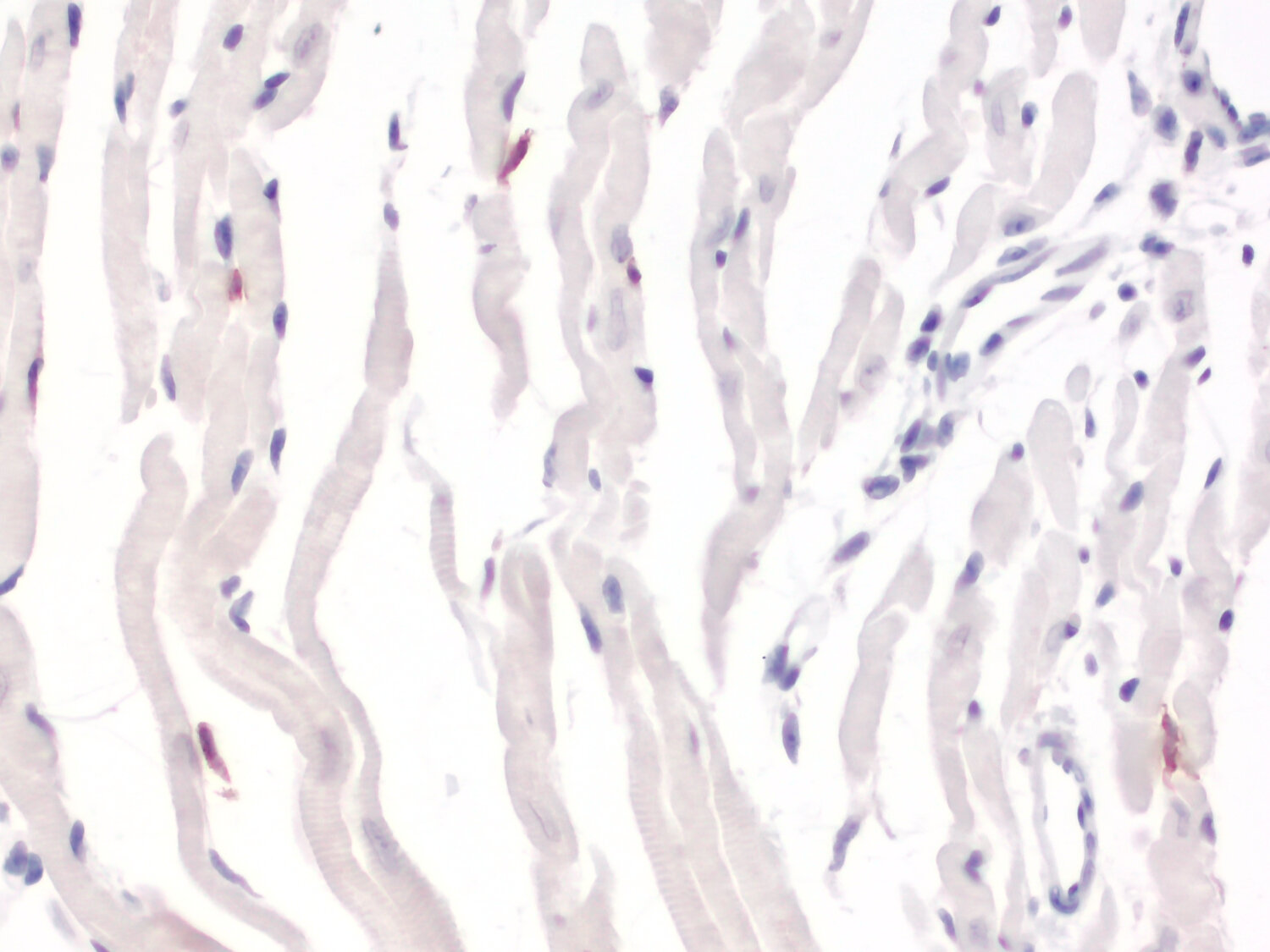
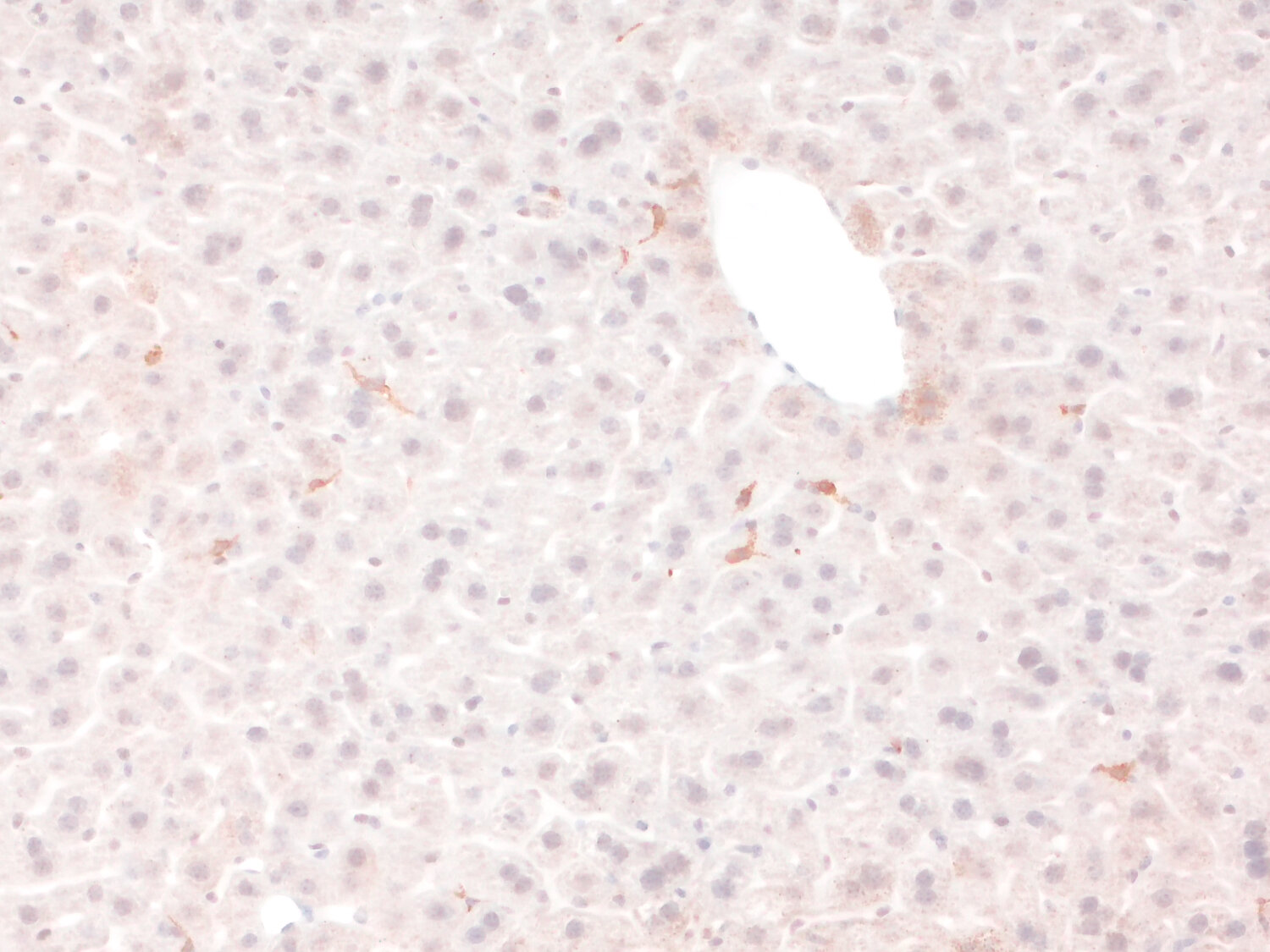
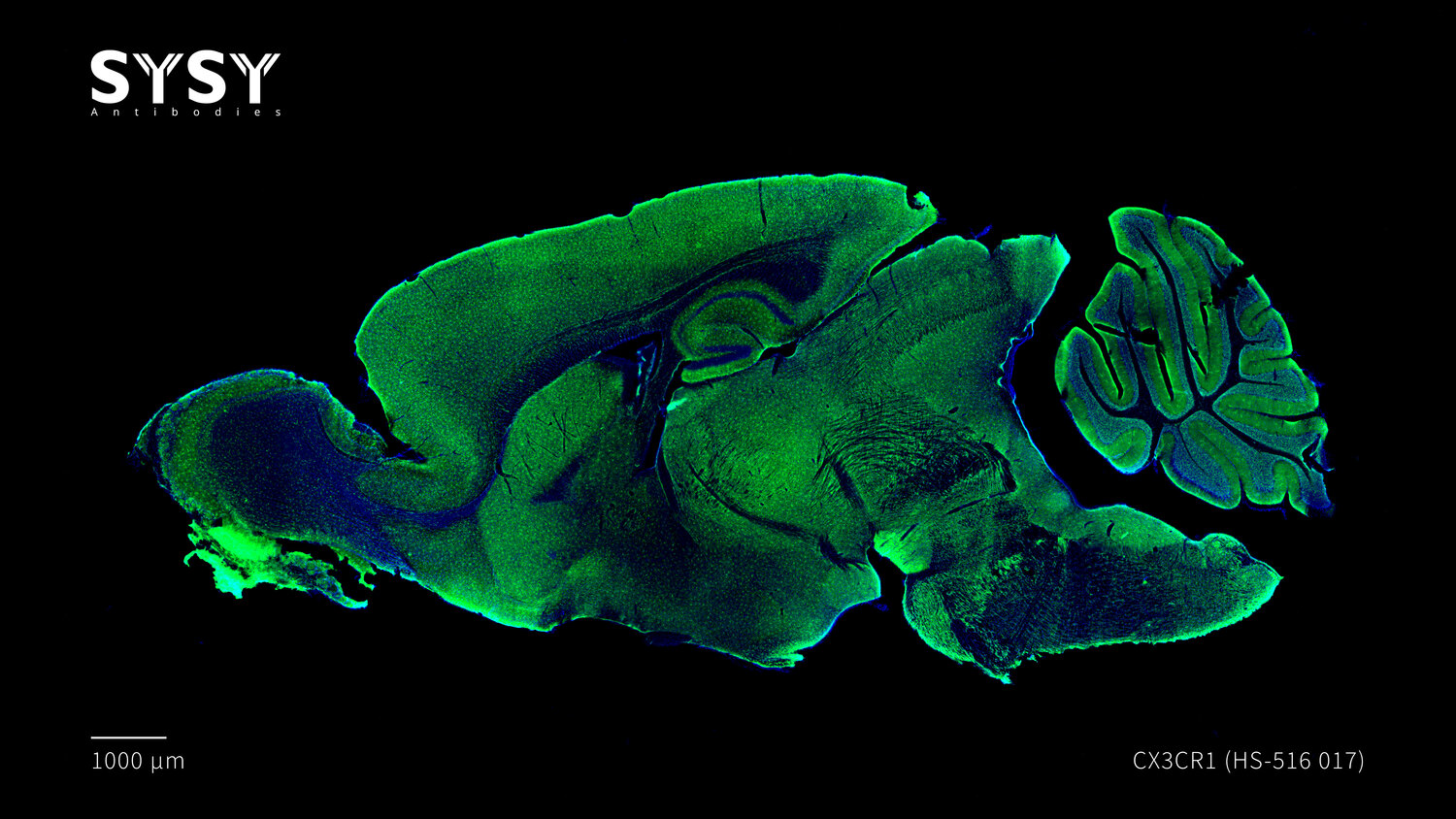
Cat. No.: HS-516 017
Amount: 100 µg
Price:
$420.00


|

|
|
| Cat. No. HS-516 017 |
100 µg purified IgG, lyophilized. Albumin and azide were added for stabilization. For reconstitution add 100 µl H2O to get a 1mg/ml solution in PBS. Then aliquot and store at -20°C to -80°C until use. Antibodies should be stored at +4°C when still lyophilized. Do not freeze! |
| Applications | |
| Clone | SY-57E5E7 |
| Subtype | IgG2b (κ light chain) |
| Immunogen | Synthetic peptide corresponding to residues near the carboxy terminus of mouse CX3CR1 (UniProt Id: Q9Z0D9) |
| Reactivity |
Reacts with: mouse (Q9Z0D9), rat (P49238). Other species not tested yet. |
| Remarks |
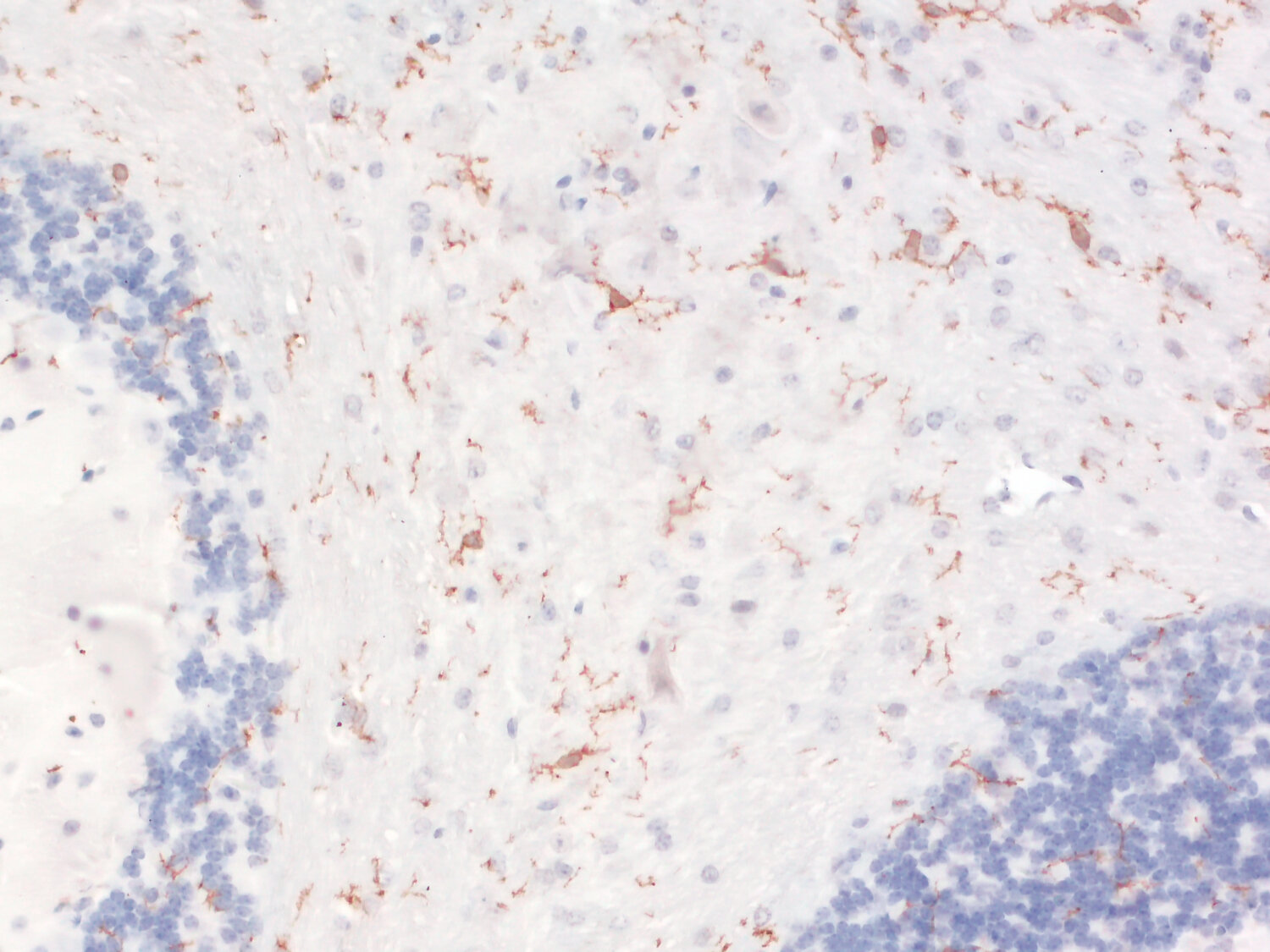
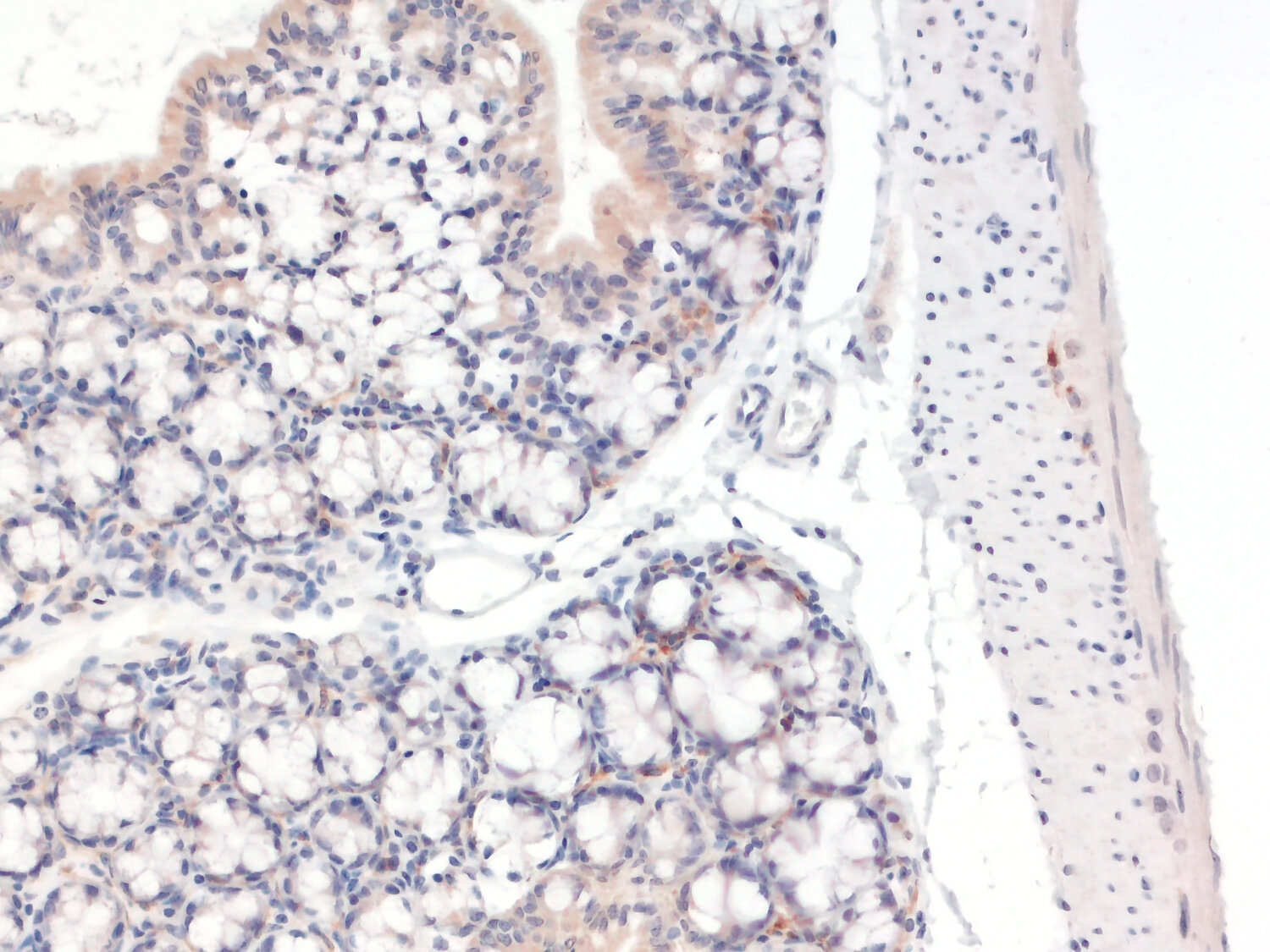
IHC: Antigen retrieval with citrate buffer pH 6 is tolerated. |
| Data sheet | Data Sheet hs-516_017 |
|
|
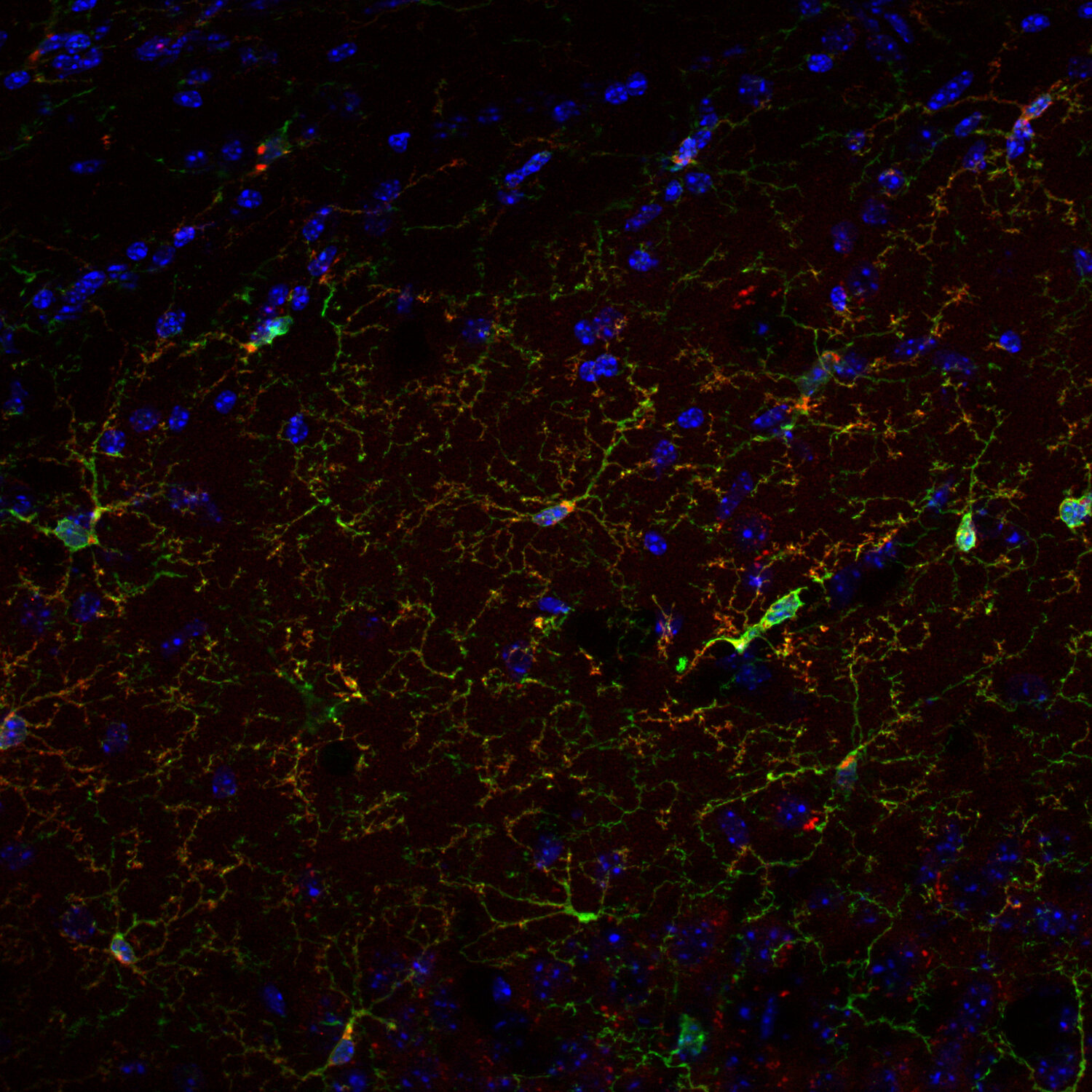
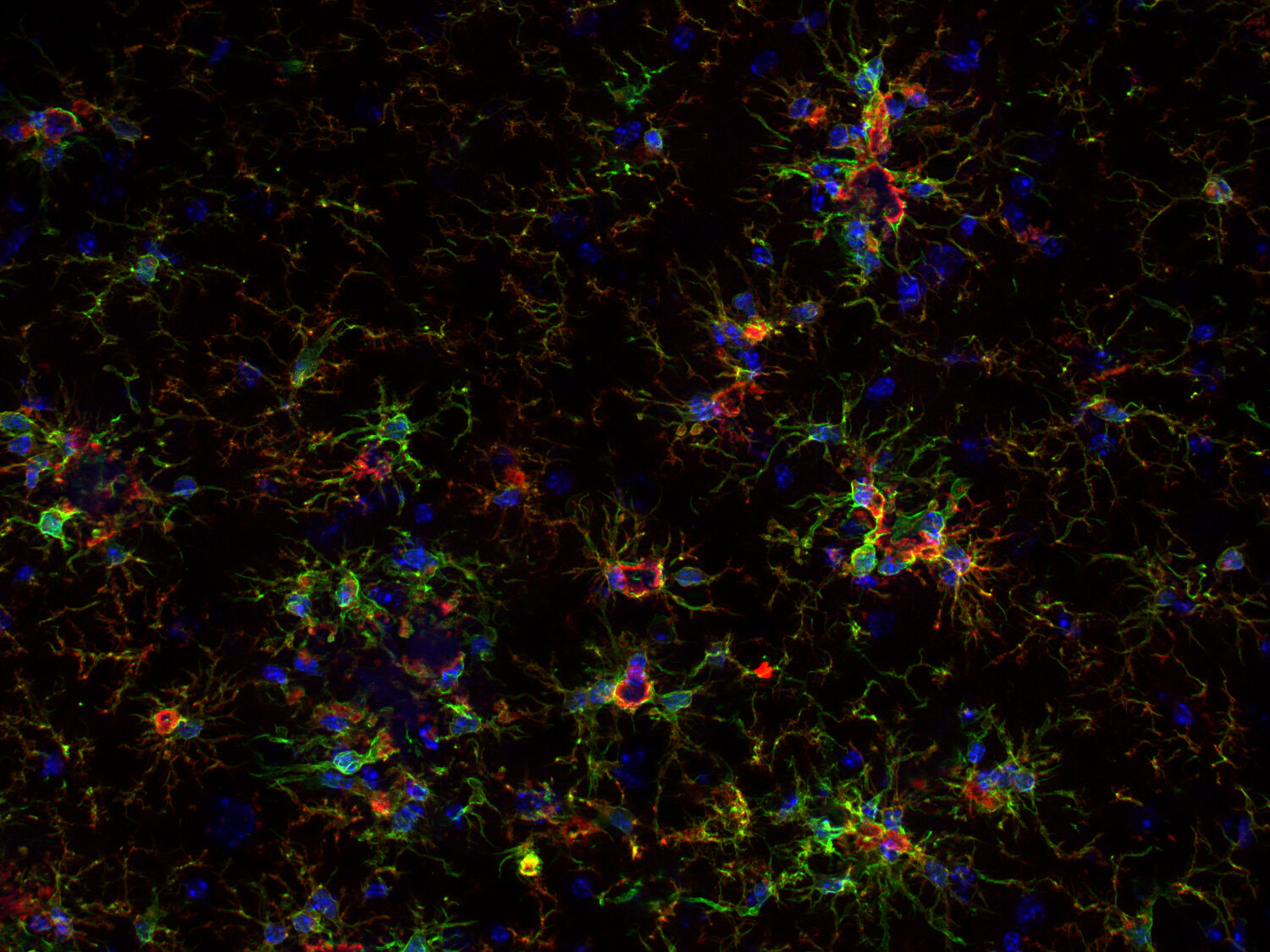
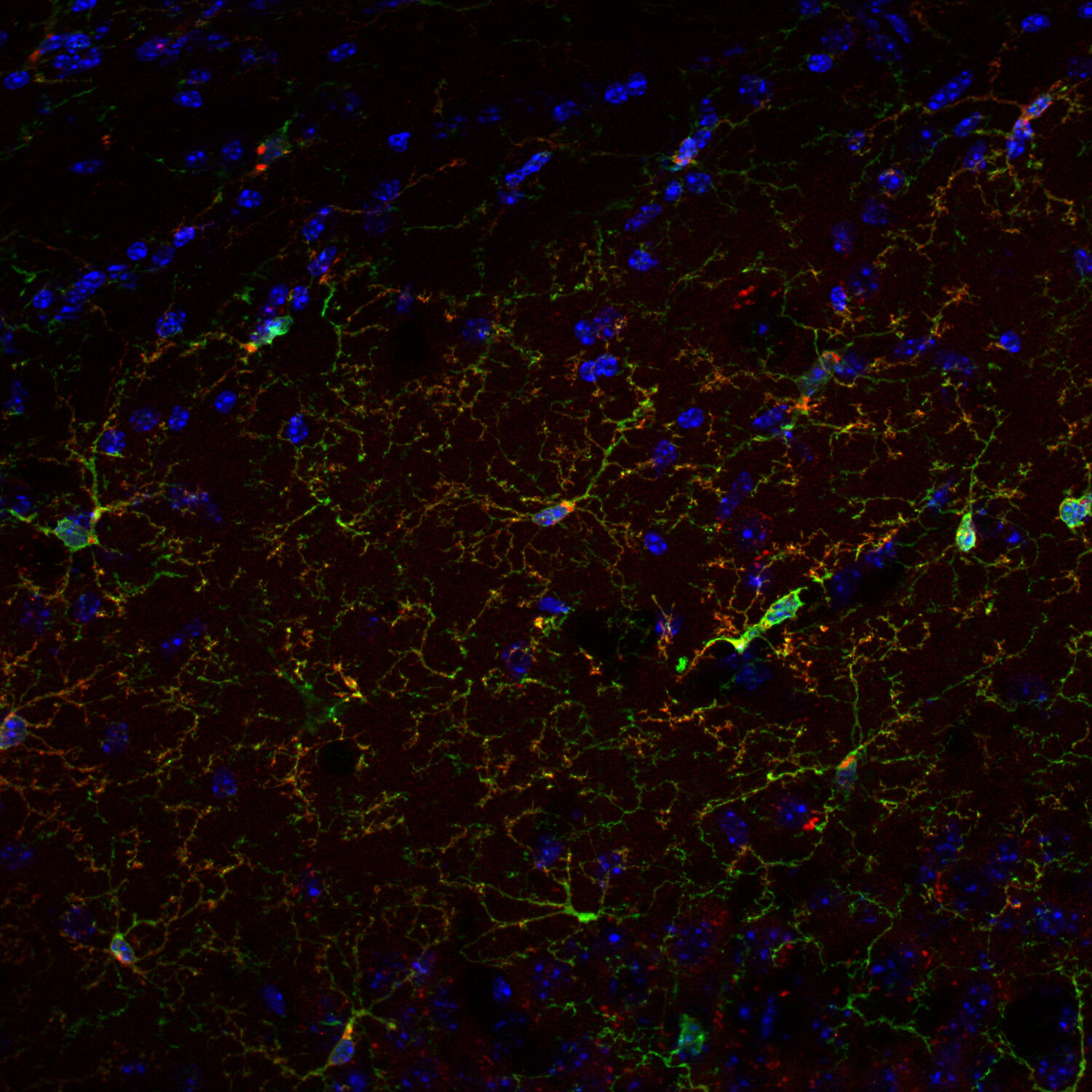
CX3CR1 (red) signal colocalizes with GFP (green) in a CX3CR1-EGFP mouse brain
CX3CR1 is a member of the seven-transmembrane G-protein coupled receptor (GPCR) family. Its ligand CX3CL1, also known as fractalkine or neurotactin, is expressed by neurons, dendritic cells and inflamed endothelial cells, among others.
CX3CR1 is expressed by several cell types, including monocytes, macrophages and microglia in the brain, dendritic cells, natural killer (NK) cells and some T lymphocytes. This receptor is crucial for regulating cell adhesion and migration, and plays an important role in immune response and inflammation. Recent literature highlights the importance of the receptor in several diseases, including cardiovascular disorders (1), neurodegenerative diseases e.g. influencing the progression of Alzheimer's disease (2), liver fibrosis (3) and cancer (4). It is a promising therapeutic target not only in cancer but also in chronic kidney disease (5).
For more information on protein expression pattern, please refer to the overview image in our SYSY Antibodies ATLAS.
Certificates
ISO 9001 2015 Quality Management System and Green Lab Platinum certification level for sustaining laboratory processes.


Newsletter
Sign up for our newsletter and get the latest updates and news.