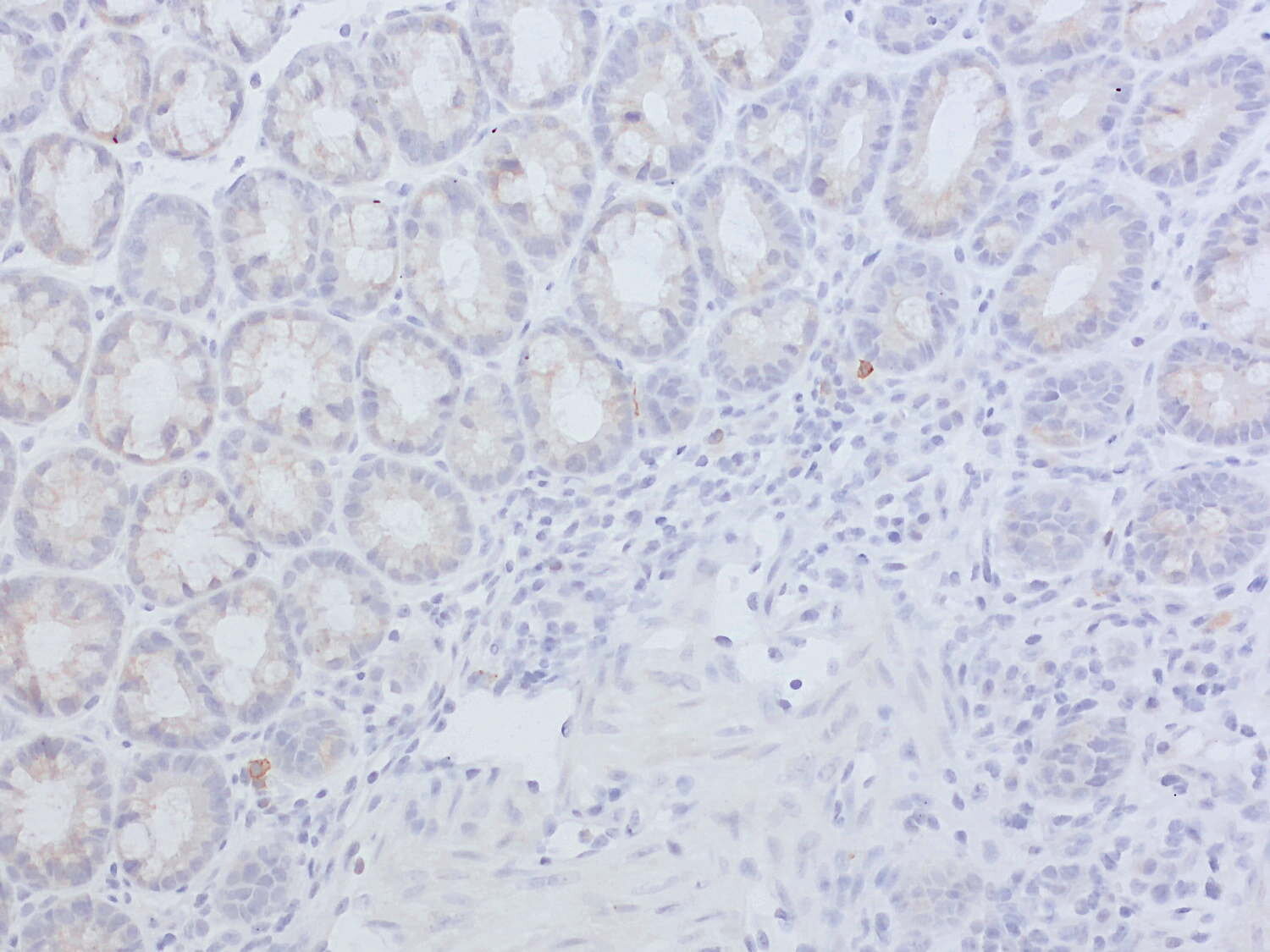
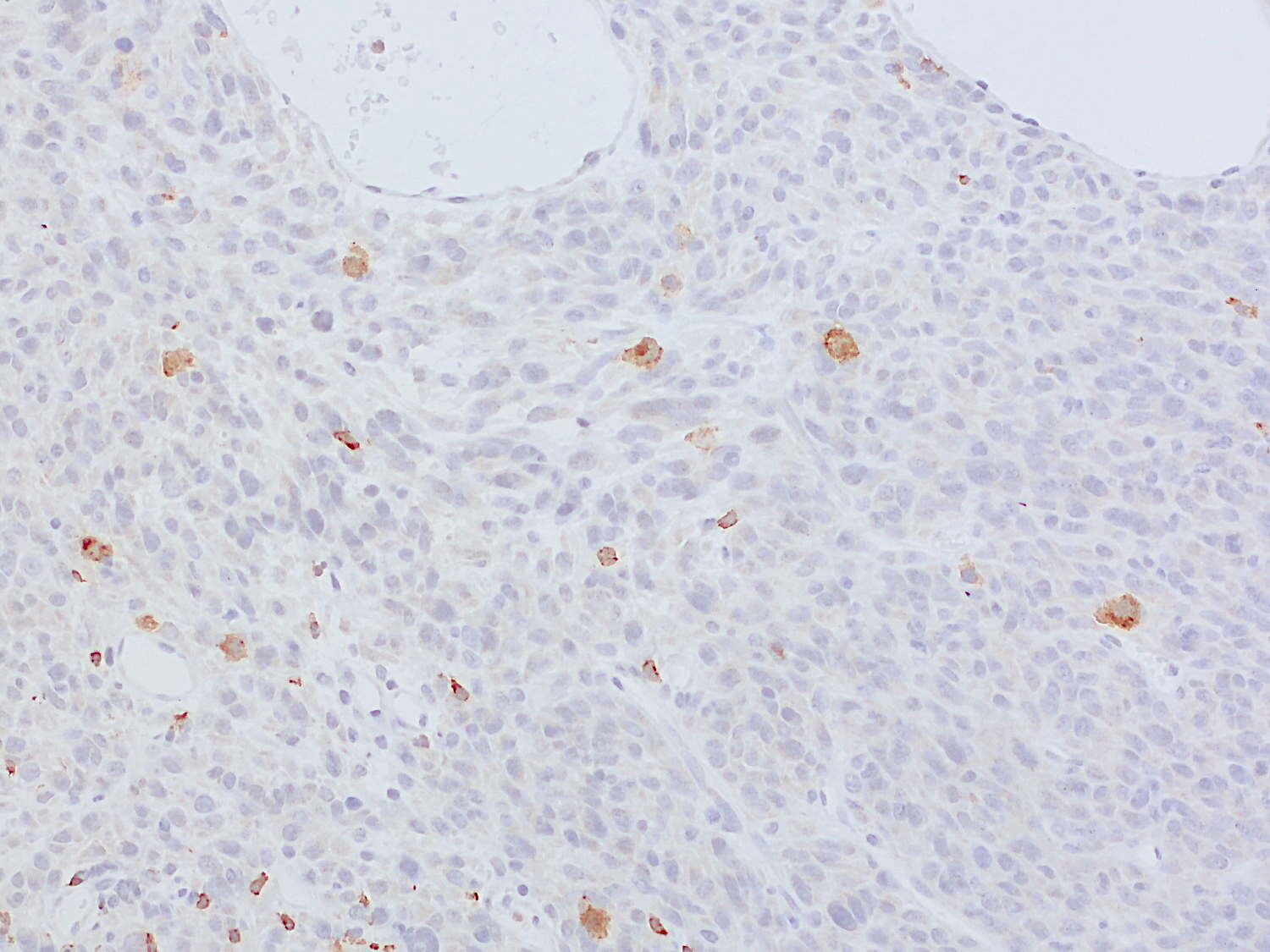
Cat. No.: 554 003
Amount: 50 µg
Price:
$380.00


|

|
|
| Cat. No. 554 003 |
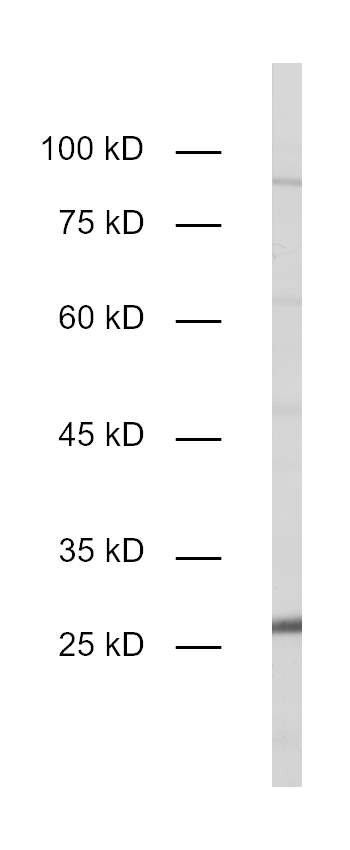
50 µg specific antibody, lyophilized. Affinity purified with the immunogen. Albumin and azide were added for stabilization. For reconstitution add 50 µl H2O to get a 1mg/ml solution in PBS. Then aliquot and store at -20°C to -80°C until use. Antibodies should be stored at +4°C when still lyophilized. Do not freeze! |
| Applications | |
| Immunogen | Synthetic peptide corresponding to residues near the amino terminus of mouse KLRG1 (UniProt Id: O88713) |
| Reactivity |
Reacts with: mouse (O88713). Other species not tested yet. |
| Remarks |
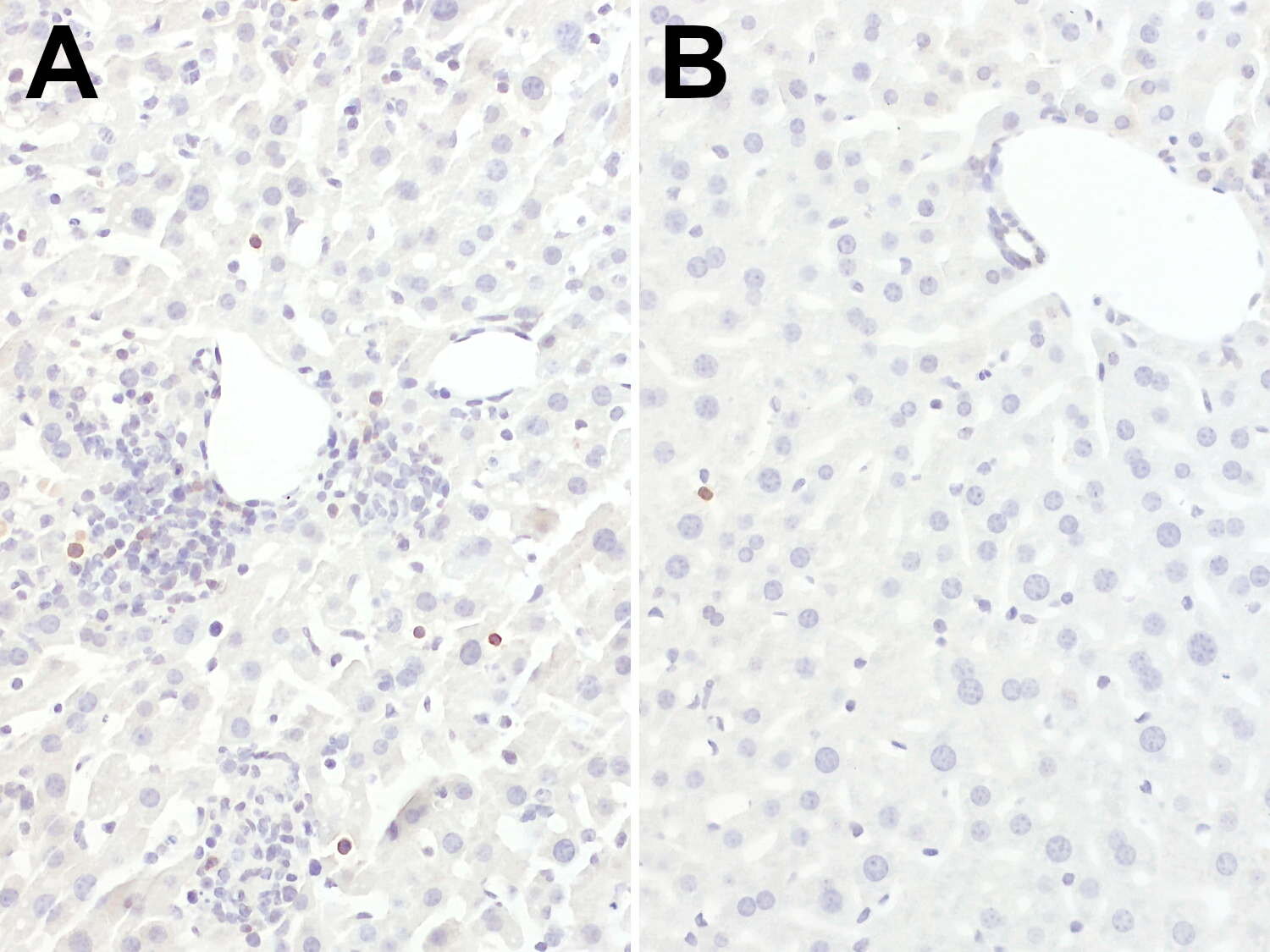
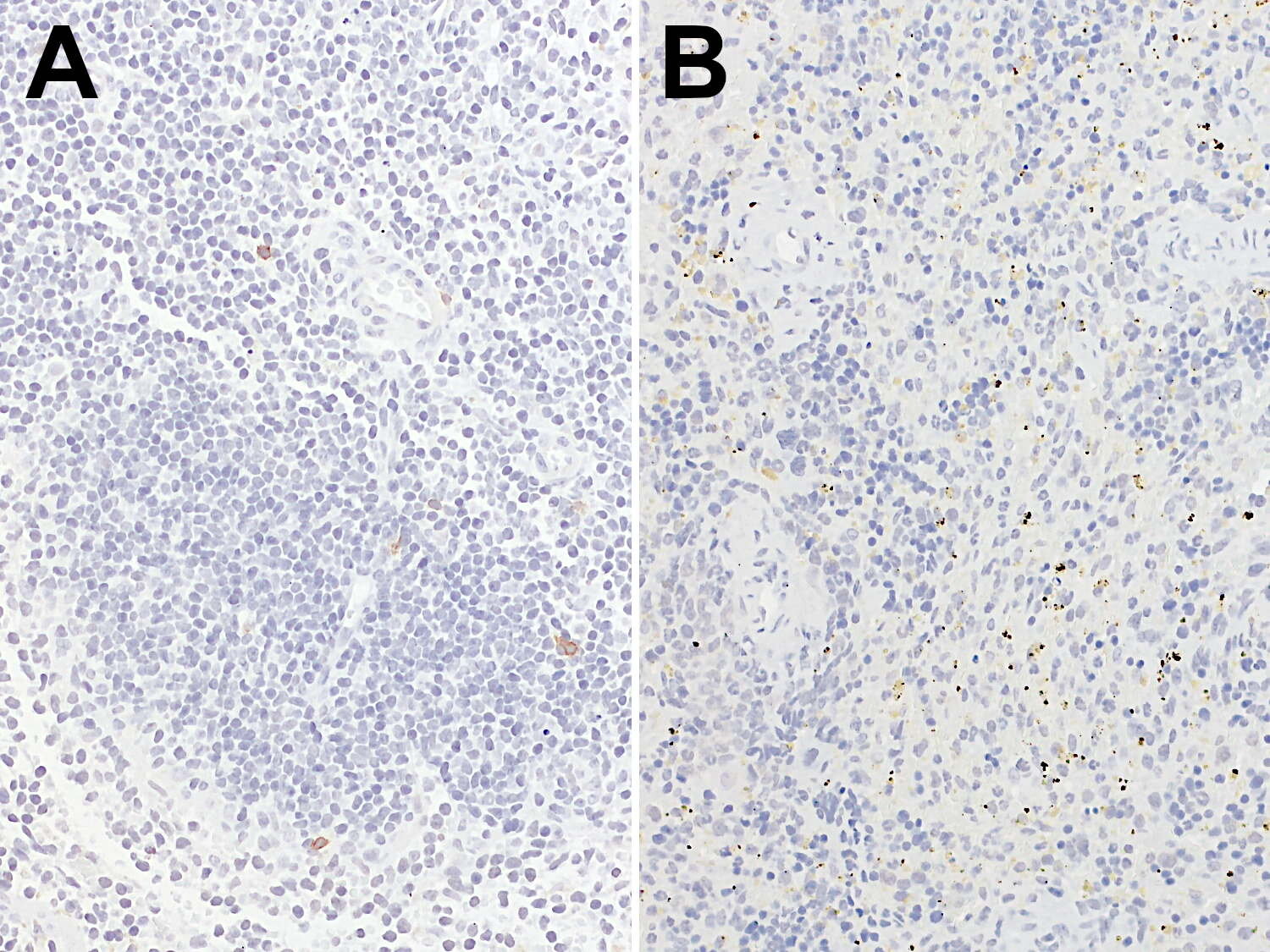
IHC: Antigen retrieval with citrate buffer pH 6 is required. |
| Data sheet | Data Sheet 554_003 |
|
|
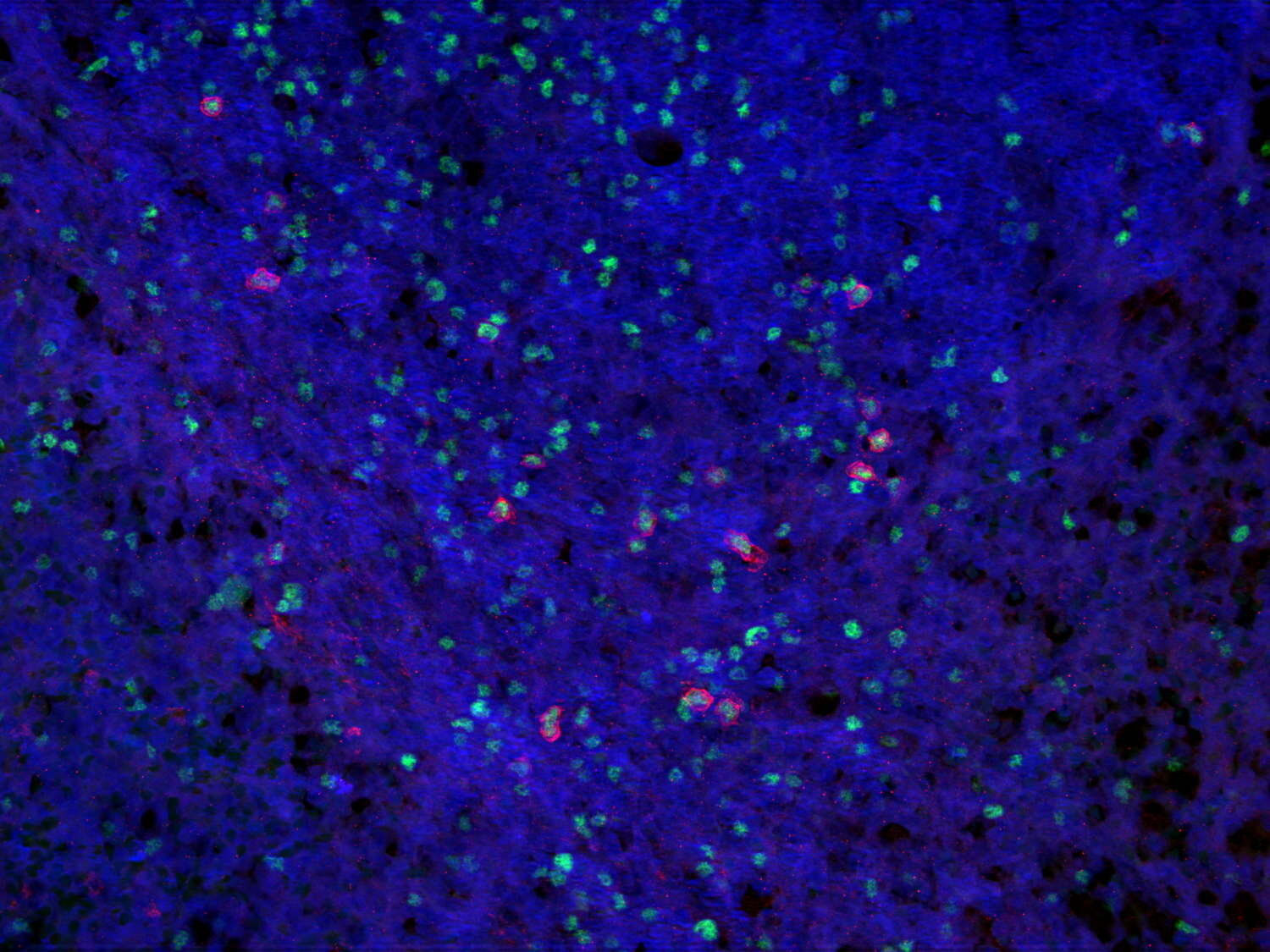
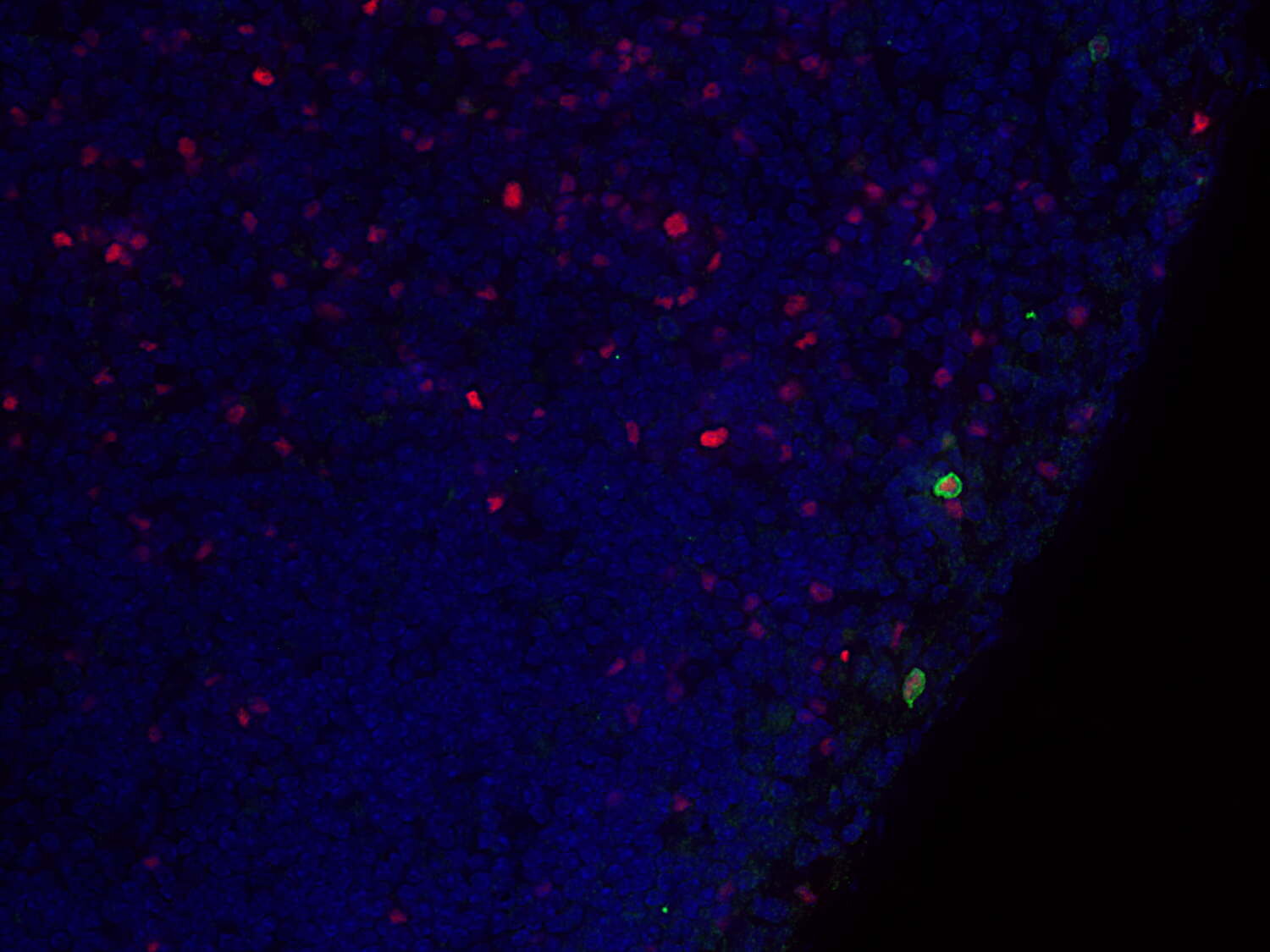
KLRG1+ (red) FoxP3+ (green) regulatory T-cells (Tregs) in the mouse spleen
Killer cell lectin-like receptor G1 (KLRG1) is an inhibitory lectin-like type II transmembrane glycoprotein receptor expressed on the surface of natural killer (NK) cells and distinct subsets of T-cells, where it functions as an immune checkpoint. KLRG1 is primarily expressed on mature immune cells, while naïve cells show little to no expression (1). In human T-cells, KLRG1 expression increases markedly with age and cellular differentiation, with the highest levels observed in memory T-cells and highly differentiated terminal effector cells (2).
KLRG1 contributes to immune regulation through its interaction with cadherins, including E-, N-, and R-cadherin, which are key mediators of cell–cell adhesion (3). KLRG1 binding to cadherins raises NK and T-cell activation thresholds, limiting NK cytotoxicity and protecting cadherin-expressing tissues. Beyond its role in effector T cells and NK cells, KLRG1 has also been investigated in group 2 innate lymphoid cells (ILC2s) in the lung and skin (4,5). Importantly, KLRG1 can bind tumor-derived E-cadherin (6), highlighting its potential as a therapeutic target in cancer immunotherapy (7).
Certificates
ISO 9001 2015 Quality Management System and Green Lab Platinum certification level for sustaining laboratory processes.

Newsletter
Sign up for our newsletter and get the latest updates and news.