Cat. No.: 397 308
Amount: 50 µg
Price:
$420.00


|

|
|
| Cat. No. 397 308 |
50 µg purified recombinant IgG, lyophilized. Albumin and azide were added for stabilization. For reconstitution add 50 µl H2O to get a 1mg/ml solution in PBS. Then aliquot and store at -20°C to -80°C until use. Antibodies should be stored at +4°C when still lyophilized. Do not freeze! |
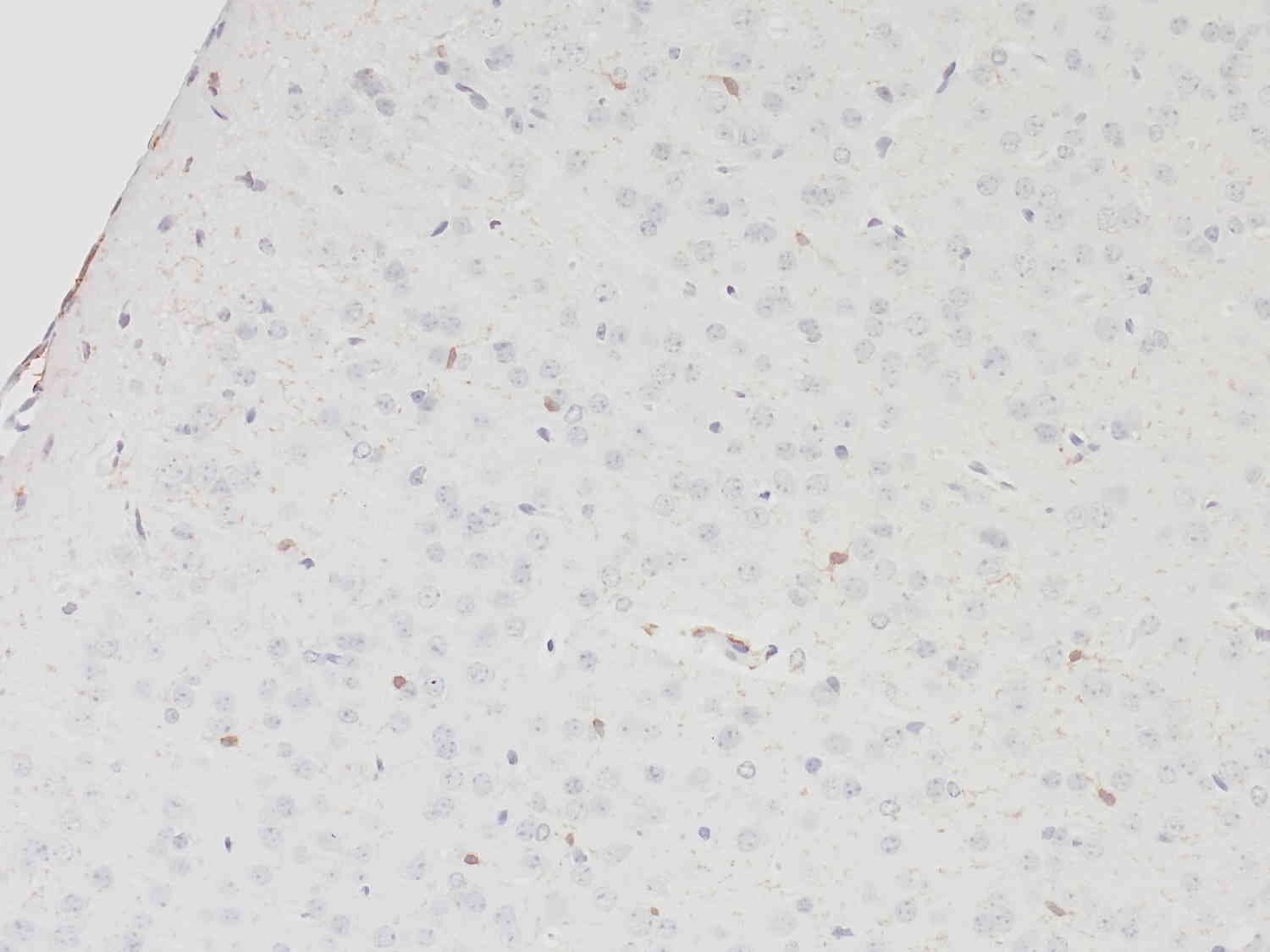
| Applications | |
| Clone | Gp167B3 |
| Subtype | IgG2 (κ light chain) |
| Immunogen | Synthetic peptide corresponding to residues surrounding AA36 of mouse F4/80 (UniProt Id: Q61549) |
| Reactivity |
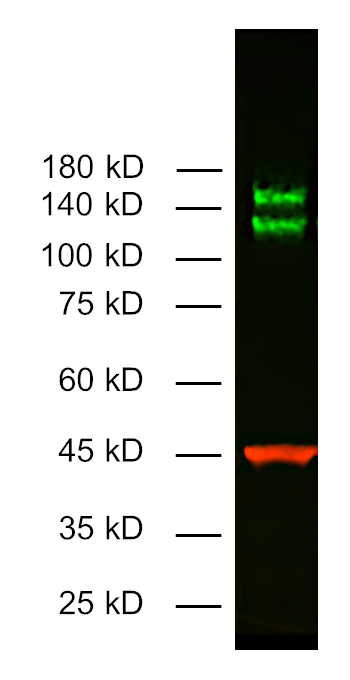
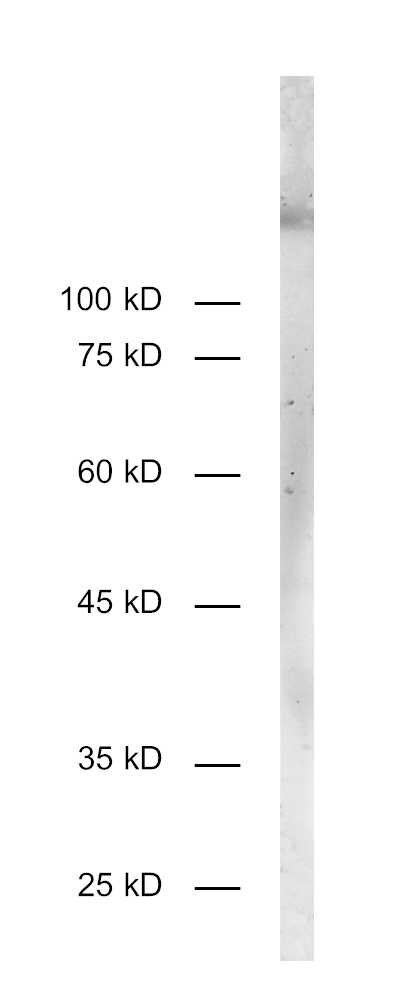
Reacts with: mouse (Q61549). No signal: rat. Other species not tested yet. |
| Remarks |
This antibody is a chimeric antibody based on the monoclonal rat antibody 167B3. The constant regions of the heavy and light chains have been replaced with guinea pig specific sequences. The antibody can therefore be used with standard anti-guinea pig secondary reagents. The antibody has been expressed in mammalian cells. |
| Data sheet | Data Sheet 397_308 |
|
|
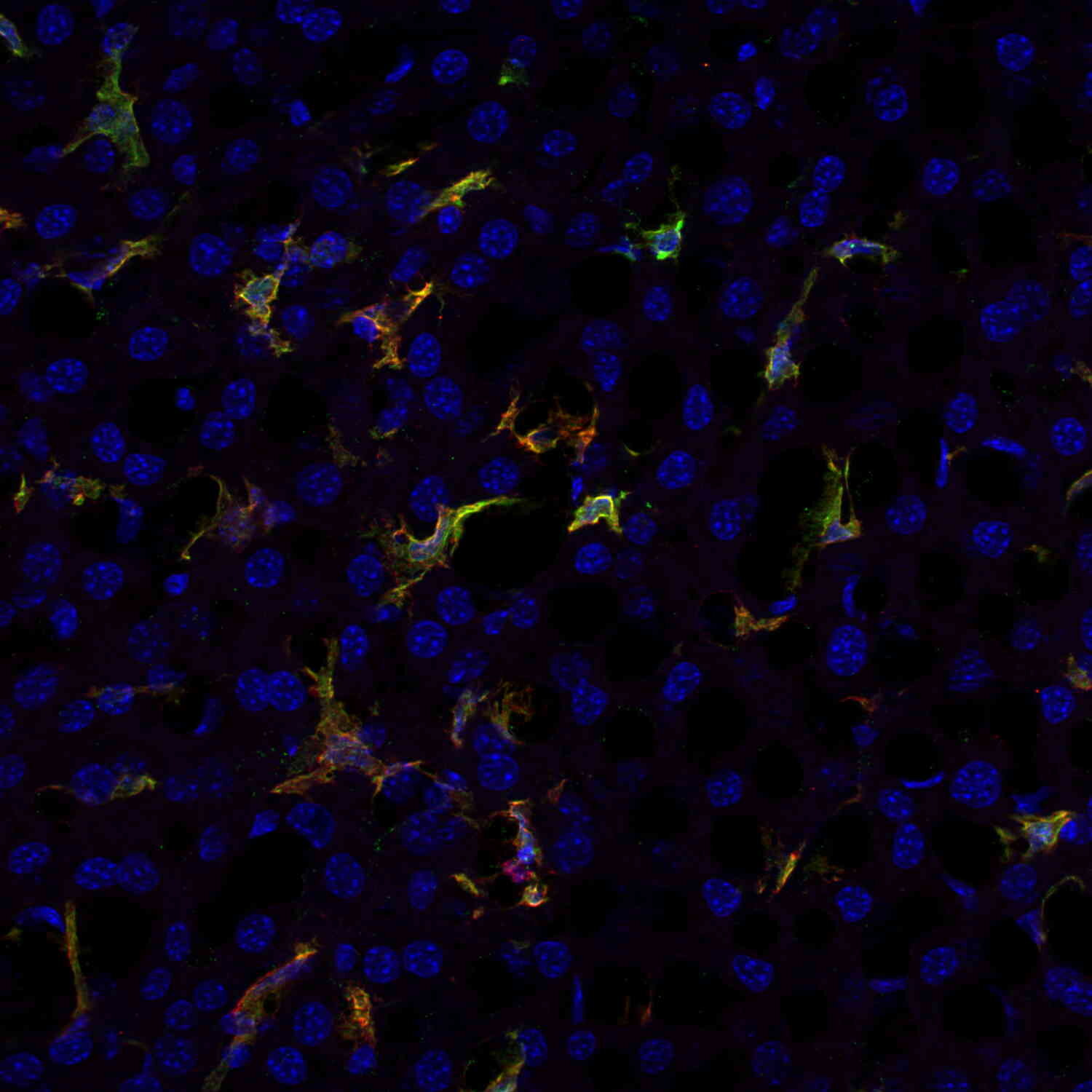
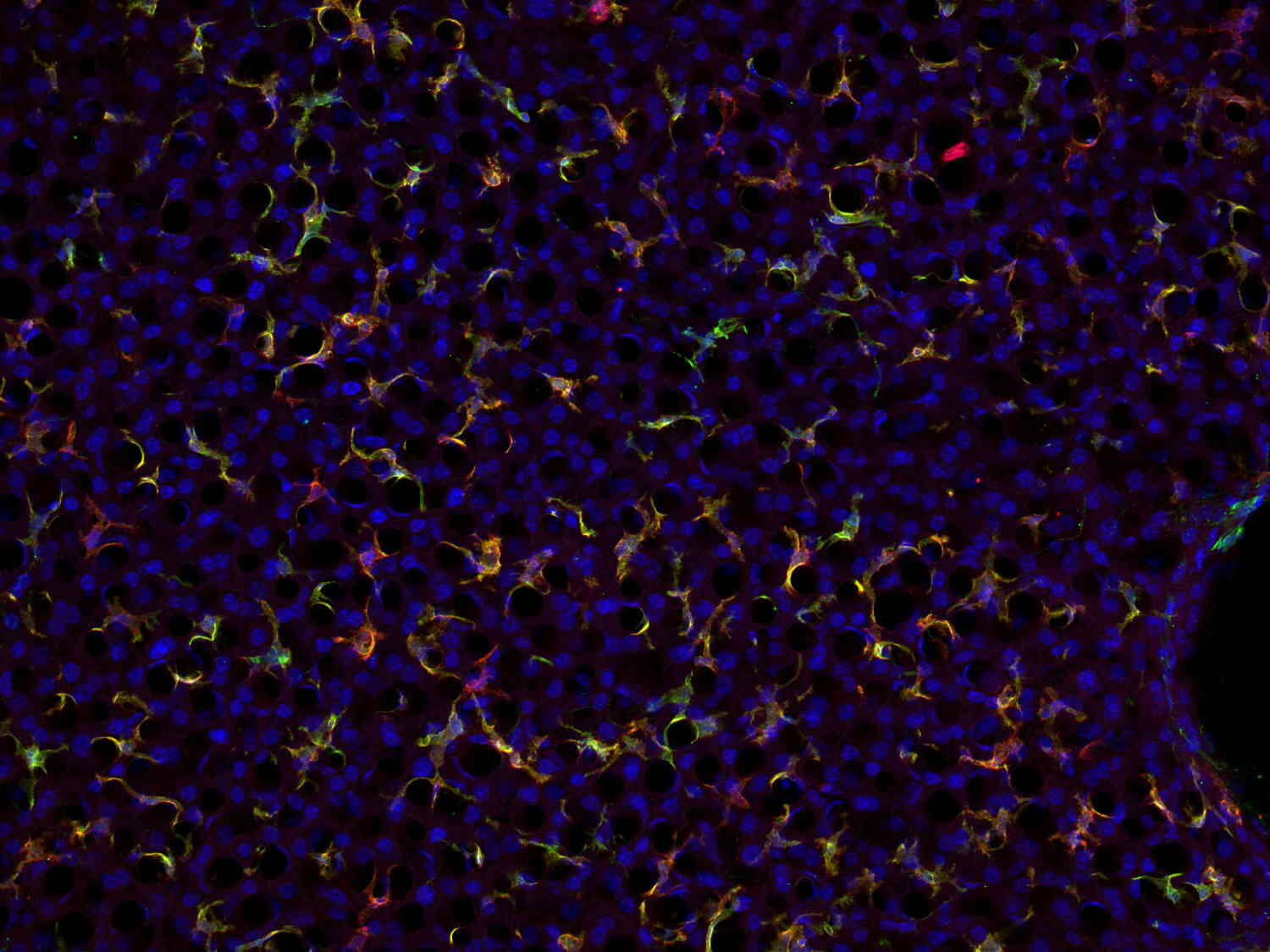
F4/80 (red) and IBA1 (green) positive resident Kupffer cells in mouse liver
The murine macrophage cell surface glycoprotein F4/80 is a member of the epidermal growth factor-seven transmembrane (EGF-TM7) family. It is involved in the generation of antigen-specific efferent regulatory T cells that suppress antigen-specific immunity but not required for the development and distribution of tissue macrophages.
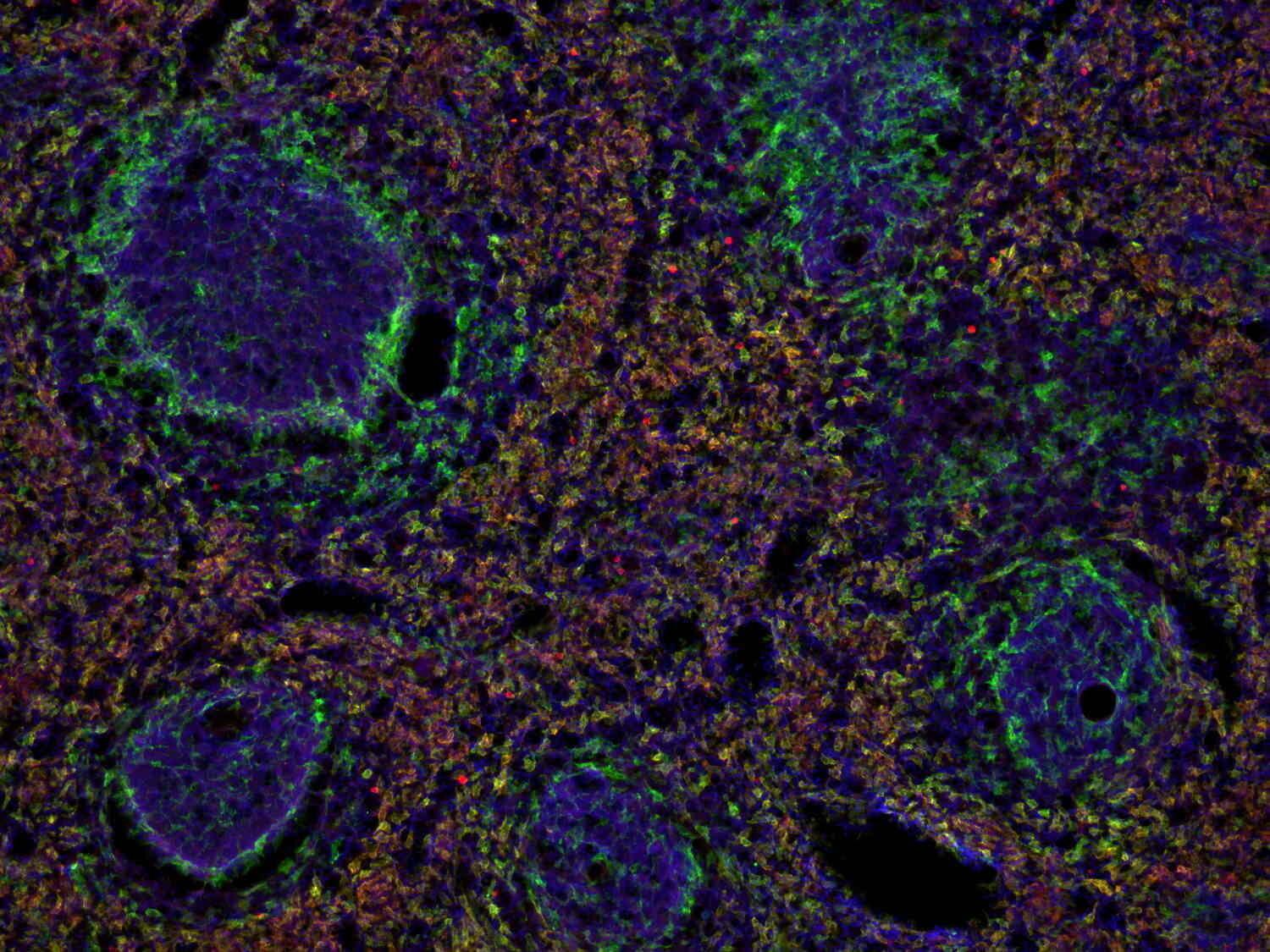
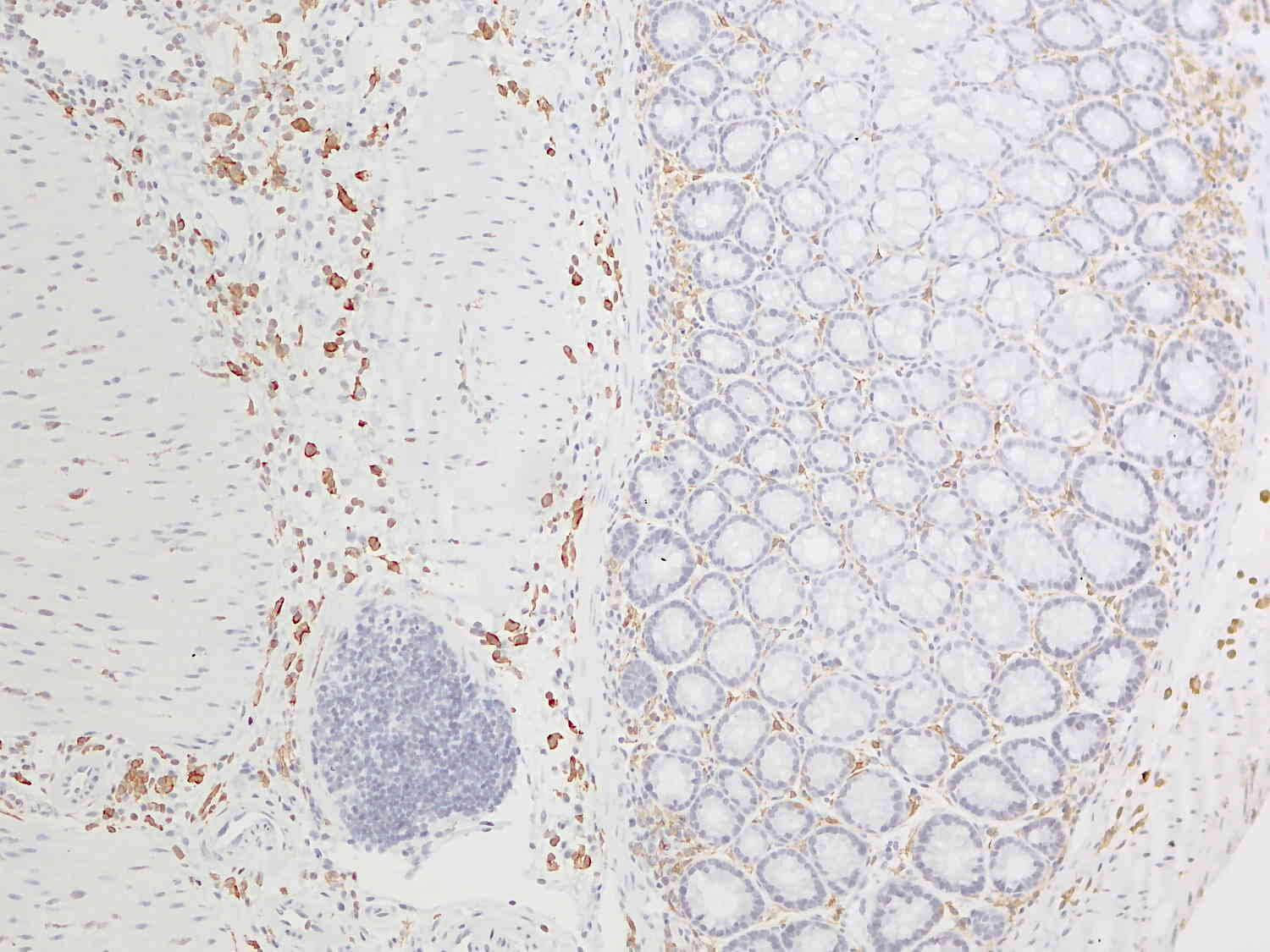
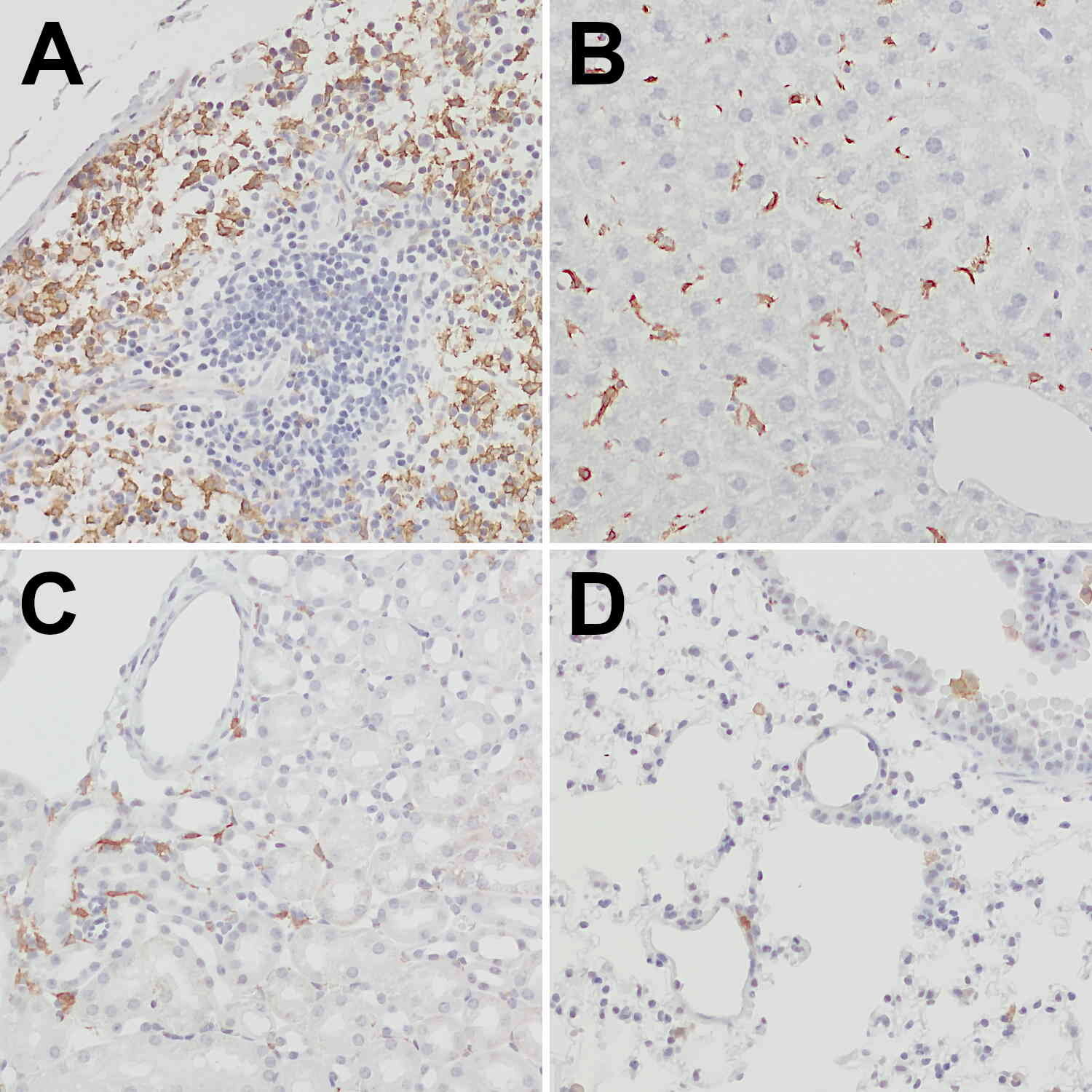
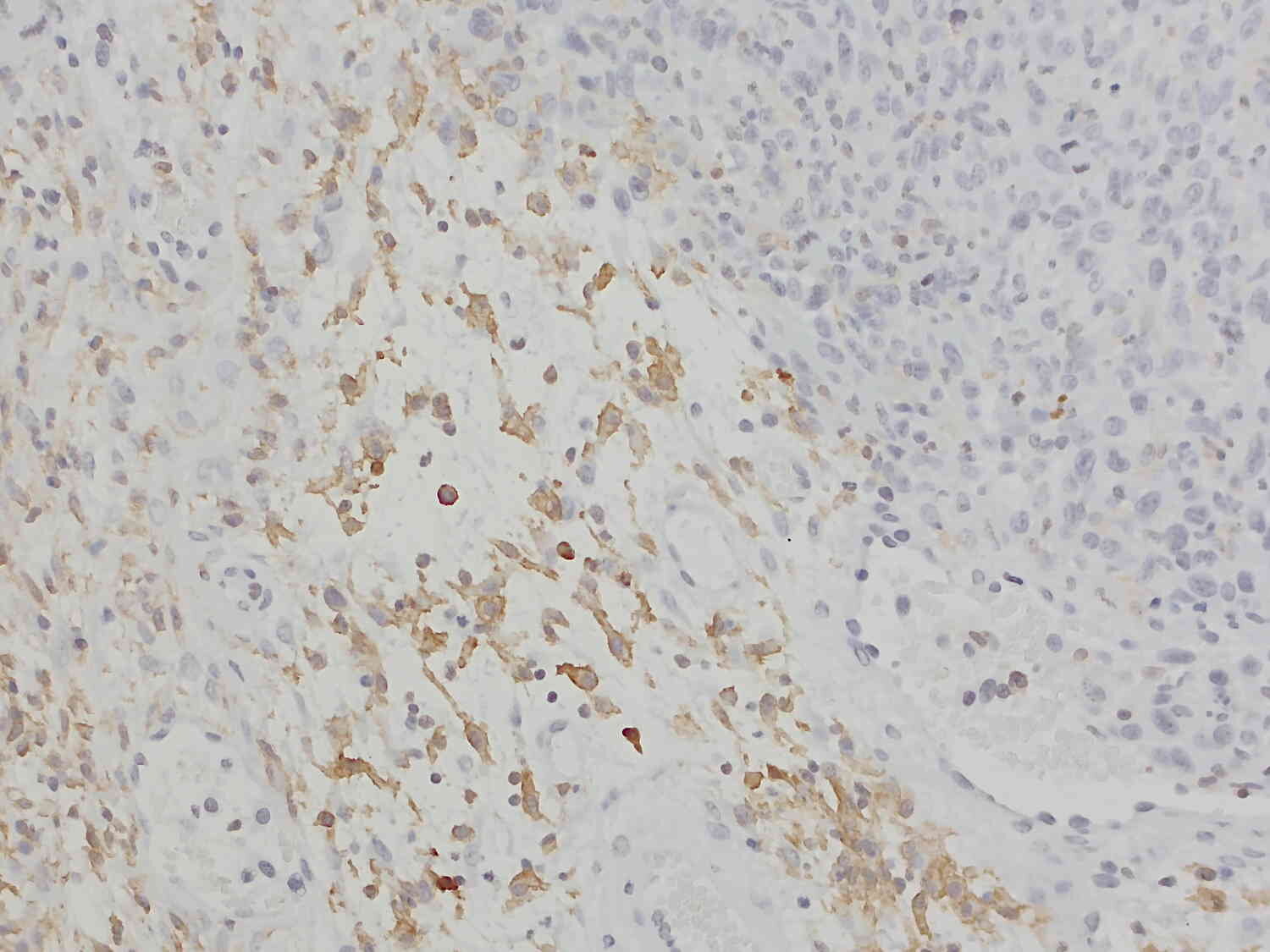
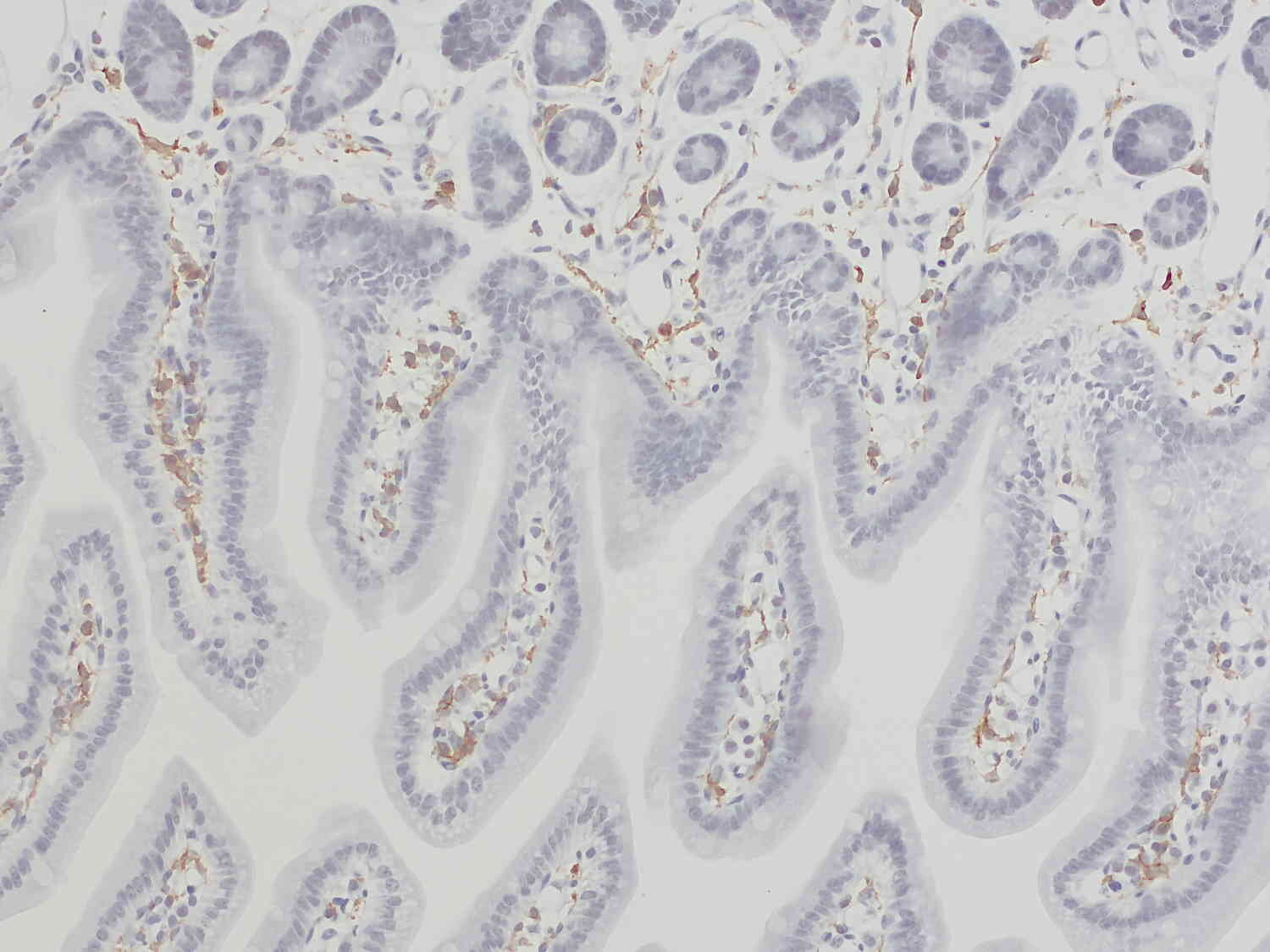
Although F4/80 is widely used as a marker of murine macrophage populations it is not equivalently expressed across tissue-specific macrophage lineages: e.g. red pulp macrophages of the spleen and Kupffer cells of the liver are F4/80-positive, white pulp and marginal zone macrophages of the spleen are F4/80-negative and alveolar macrophages are F4/80dim.
F4/80 expression is not restricted to macrophages, but also found in murine Epidermal Langerhans Cells; dendritic cells of the skin. The human ortholog of F4/80, EGF-like module containing mucin-like hormone receptor (EMR)1, is absent on mononuclear phagocytic cells including monocytes, macrophages, and myeloid dendritic cells and seems to be highly specific for eosinophils in humans.
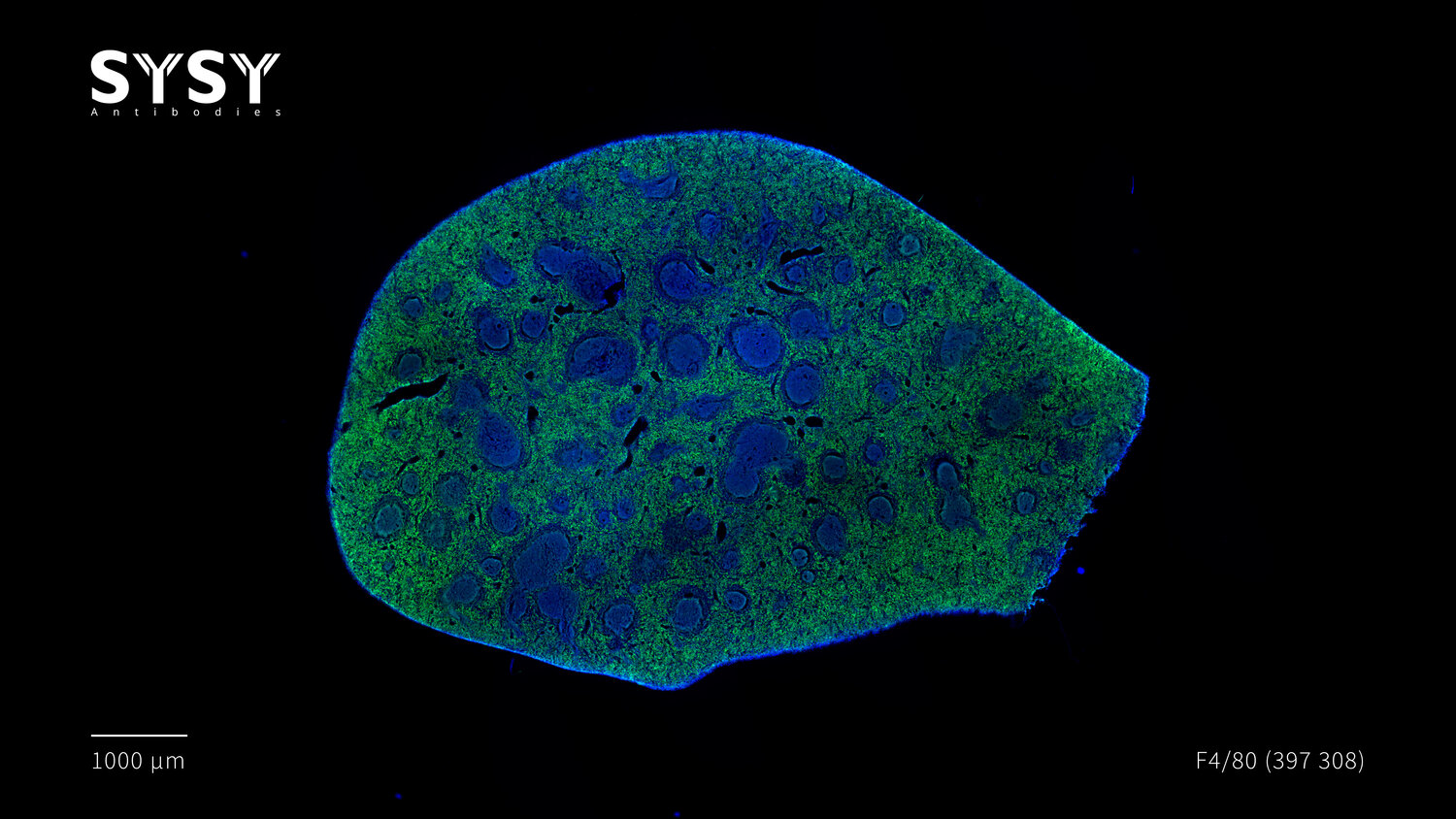
For more information on protein expression pattern, please refer to the overview image in our SYSY Antibodies ATLAS.
Certificates
ISO 9001 2015 Quality Management System and Green Lab Platinum certification level for sustaining laboratory processes.


Newsletter
Sign up for our newsletter and get the latest updates and news.