Cat. No.: 550 005
Amount: 50 µg
Price:
$465.00


|

|
|
| Cat. No. 550 005 |
50 µg specific antibody, lyophilized. Affinity purified with the immunogen. Albumin and azide were added for stabilization. For reconstitution add 50 µl H2O to get a 1mg/ml solution in PBS. Then aliquot and store at -20°C to -80°C until use. Antibodies should be stored at +4°C when still lyophilized. Do not freeze! |
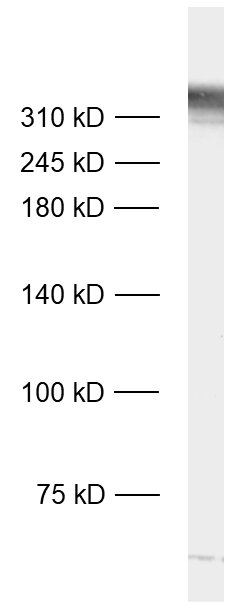
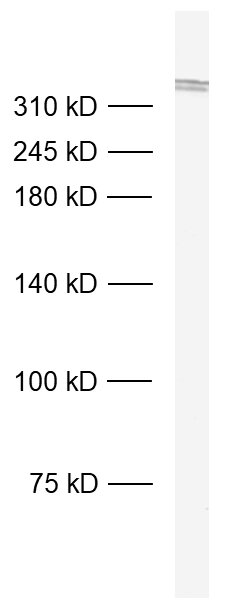
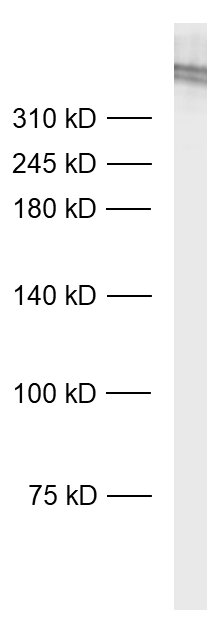
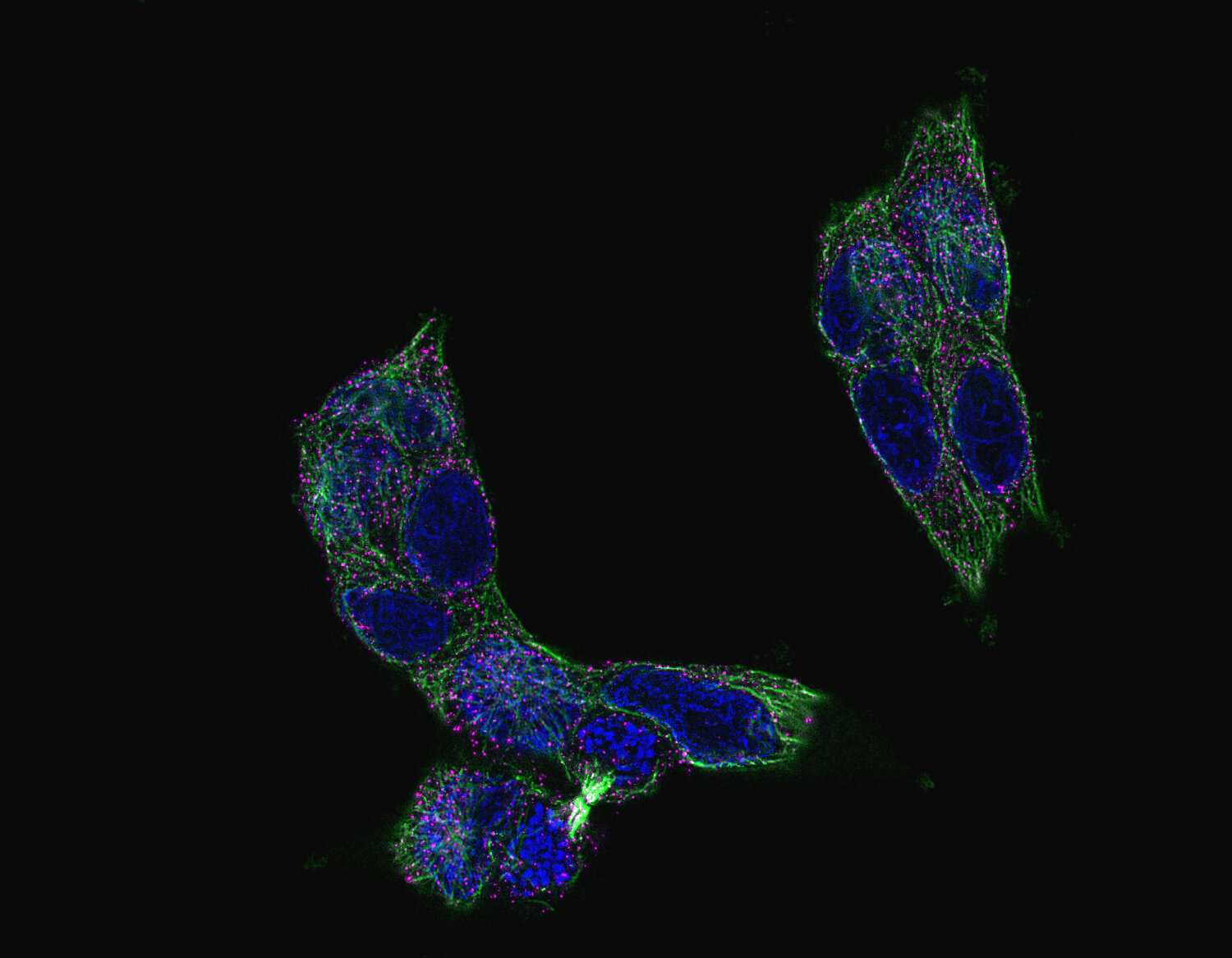
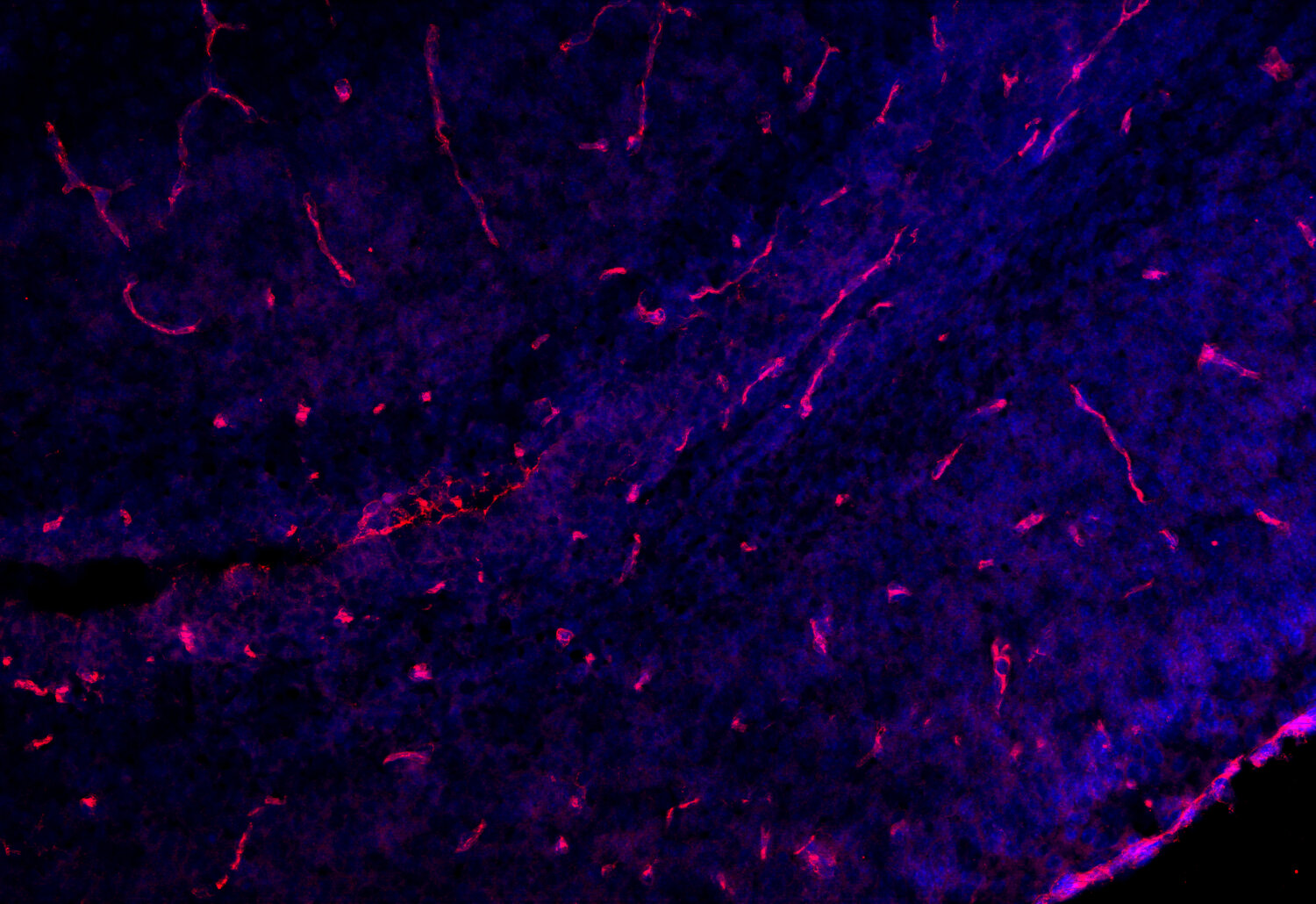
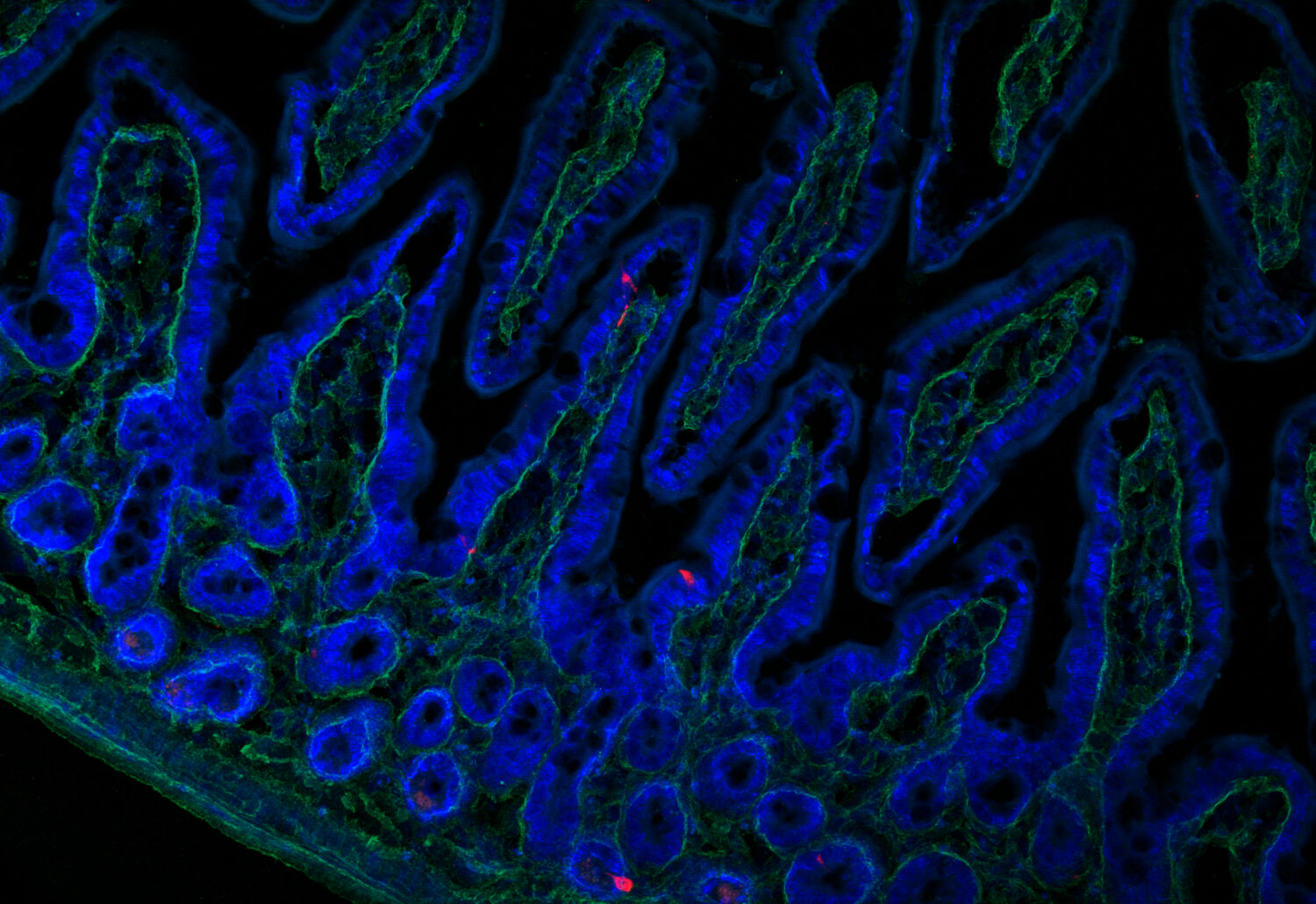
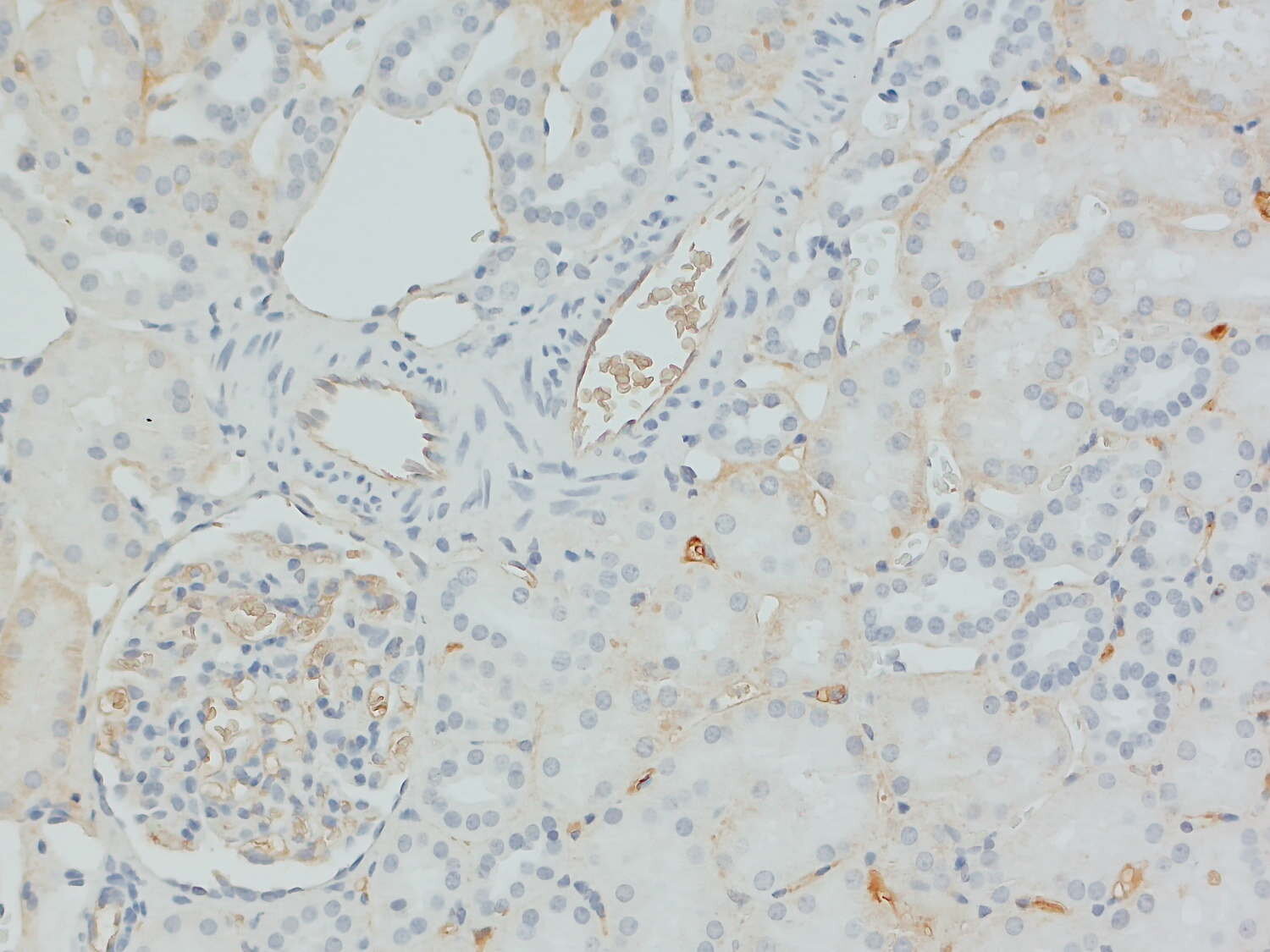
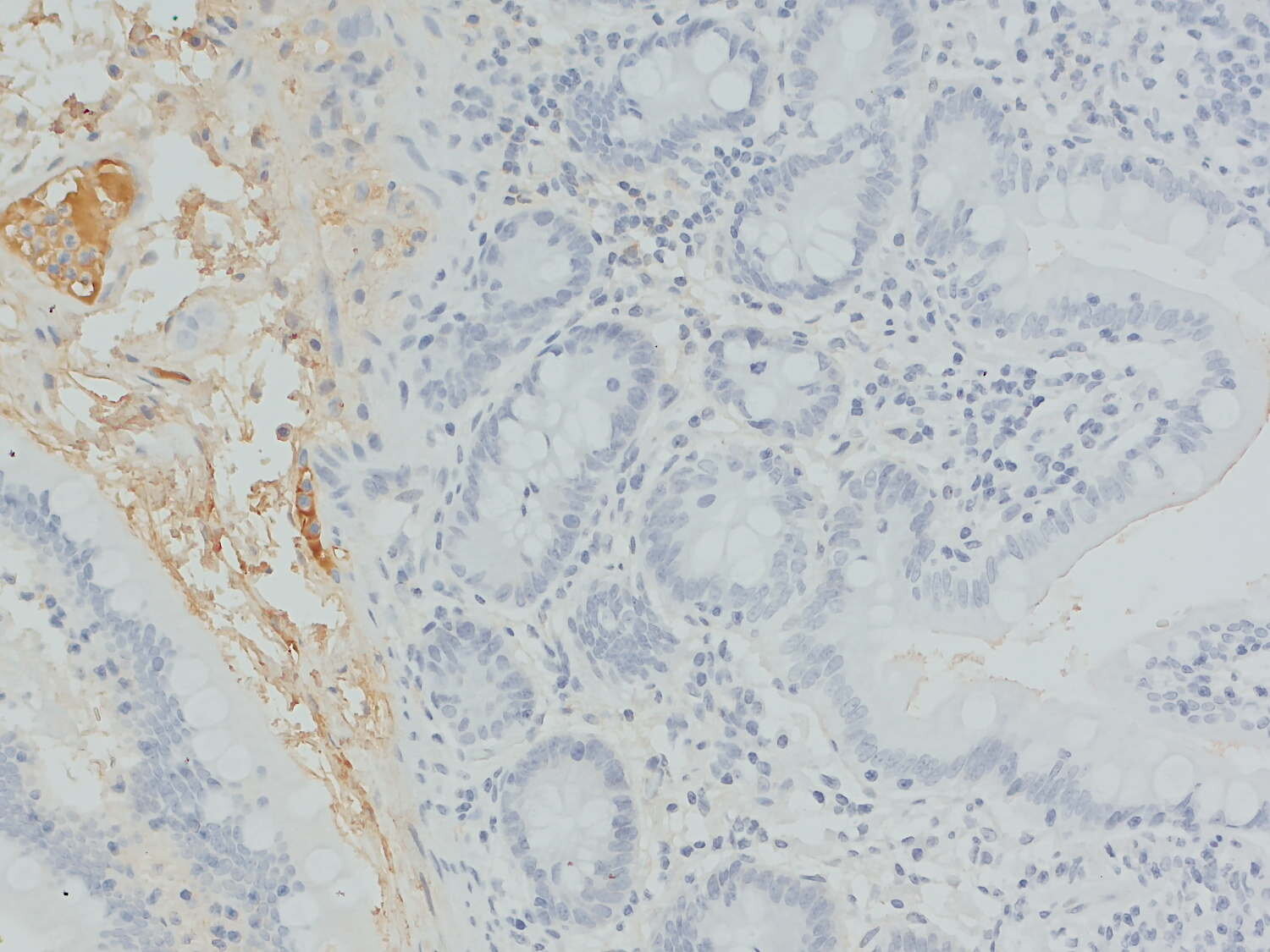
| Applications | |
| Immunogen | Full-length nativ human Fibronectin protein (UniProt Id: P02751) |
| Reactivity |
Reacts with: human (P02751), mouse (P11276). Other species not tested yet. |
| Remarks |
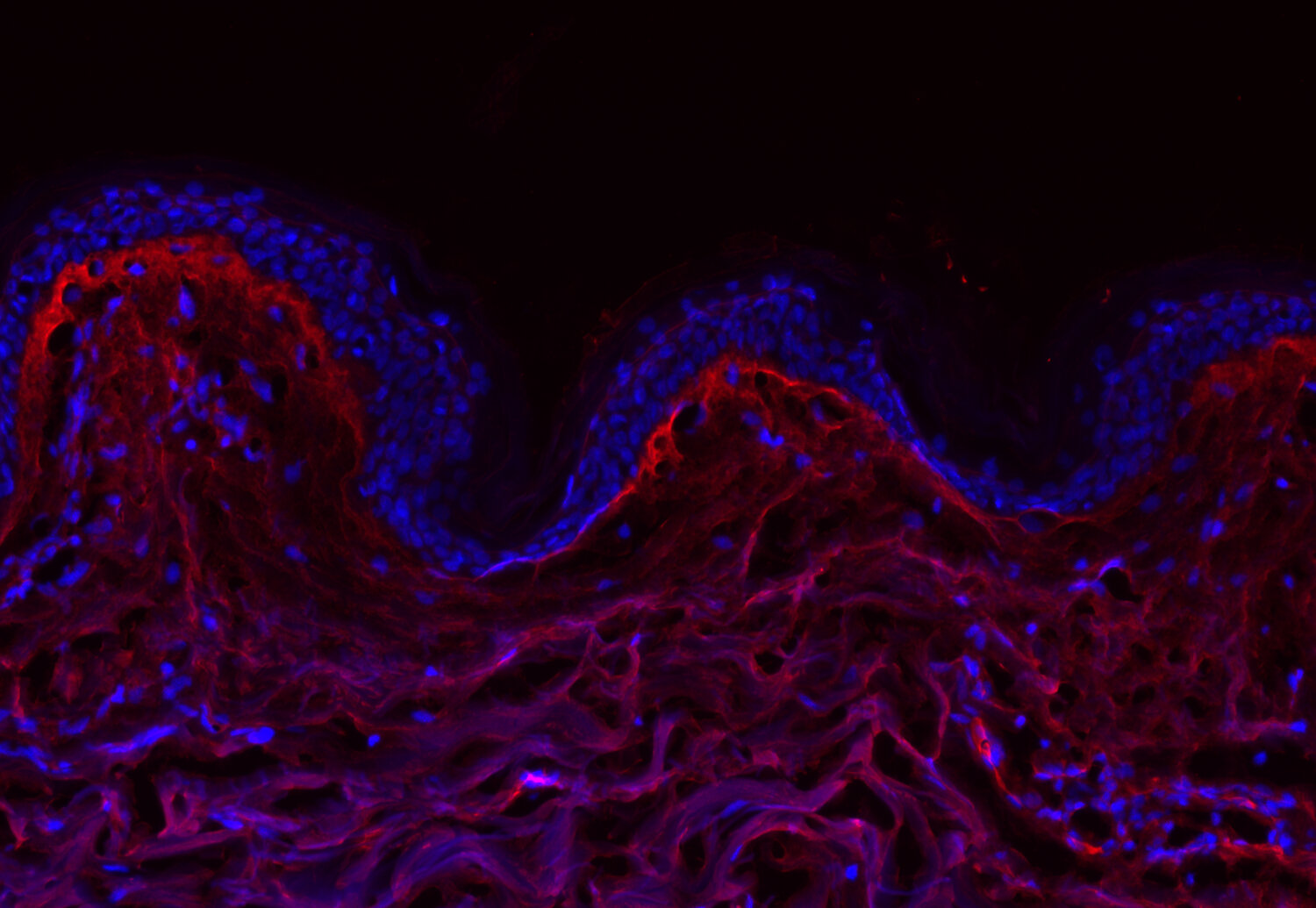
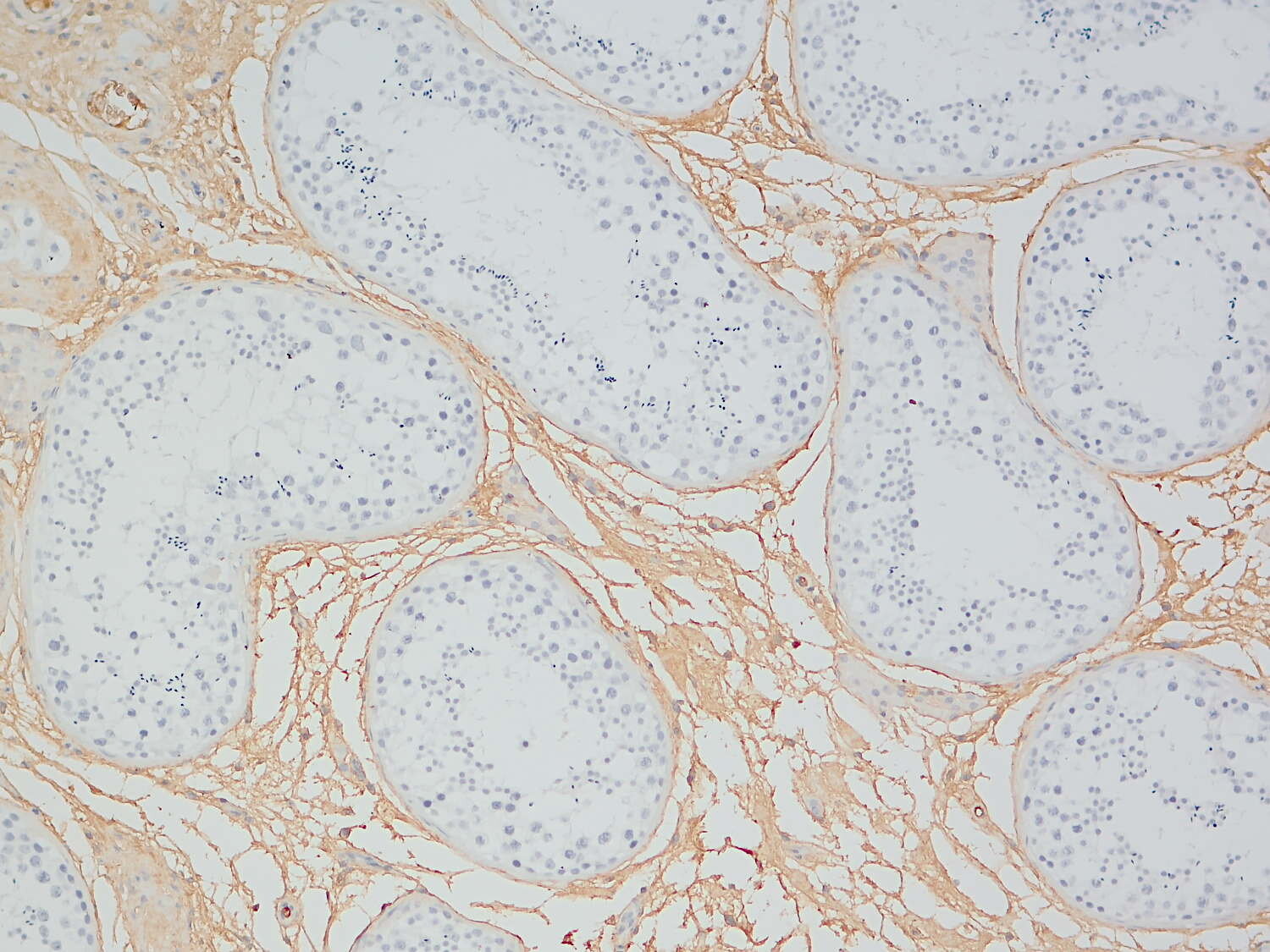
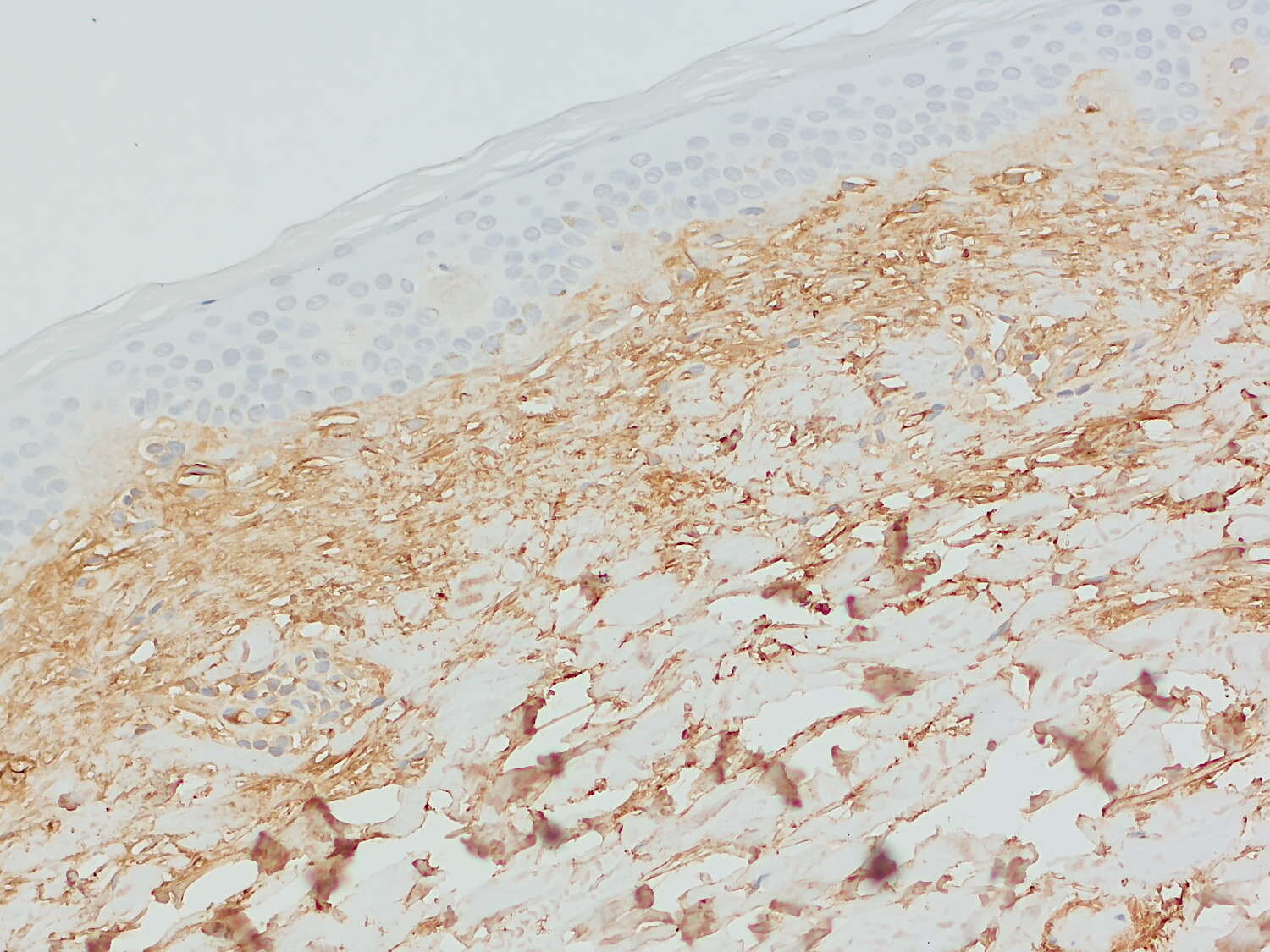
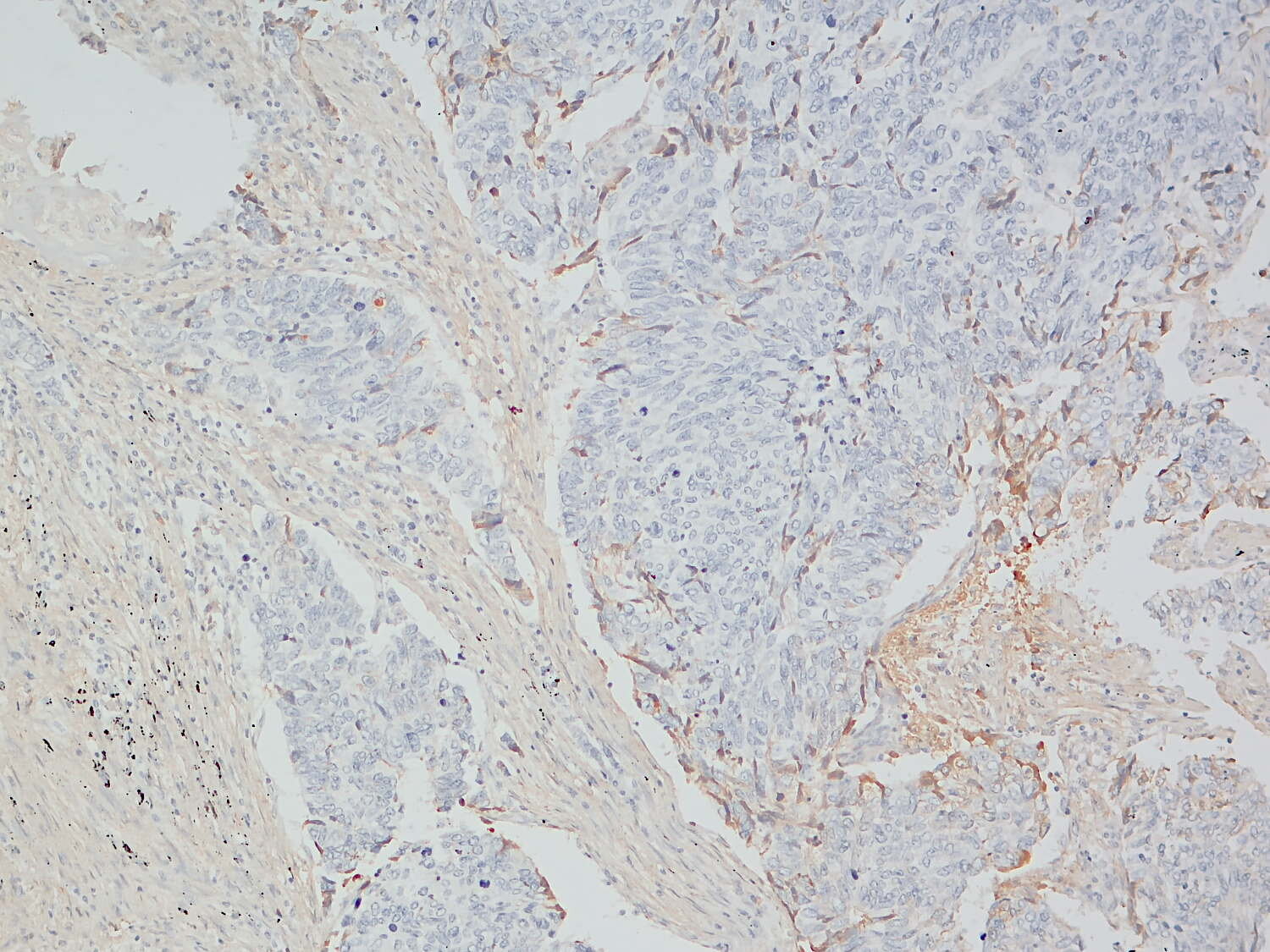
IHC: Antigen retrieval with citrate buffer pH 6 can be applied to improve the signal-to-noise ratio. |
| Data sheet | Data Sheet 550_005 |
|
|
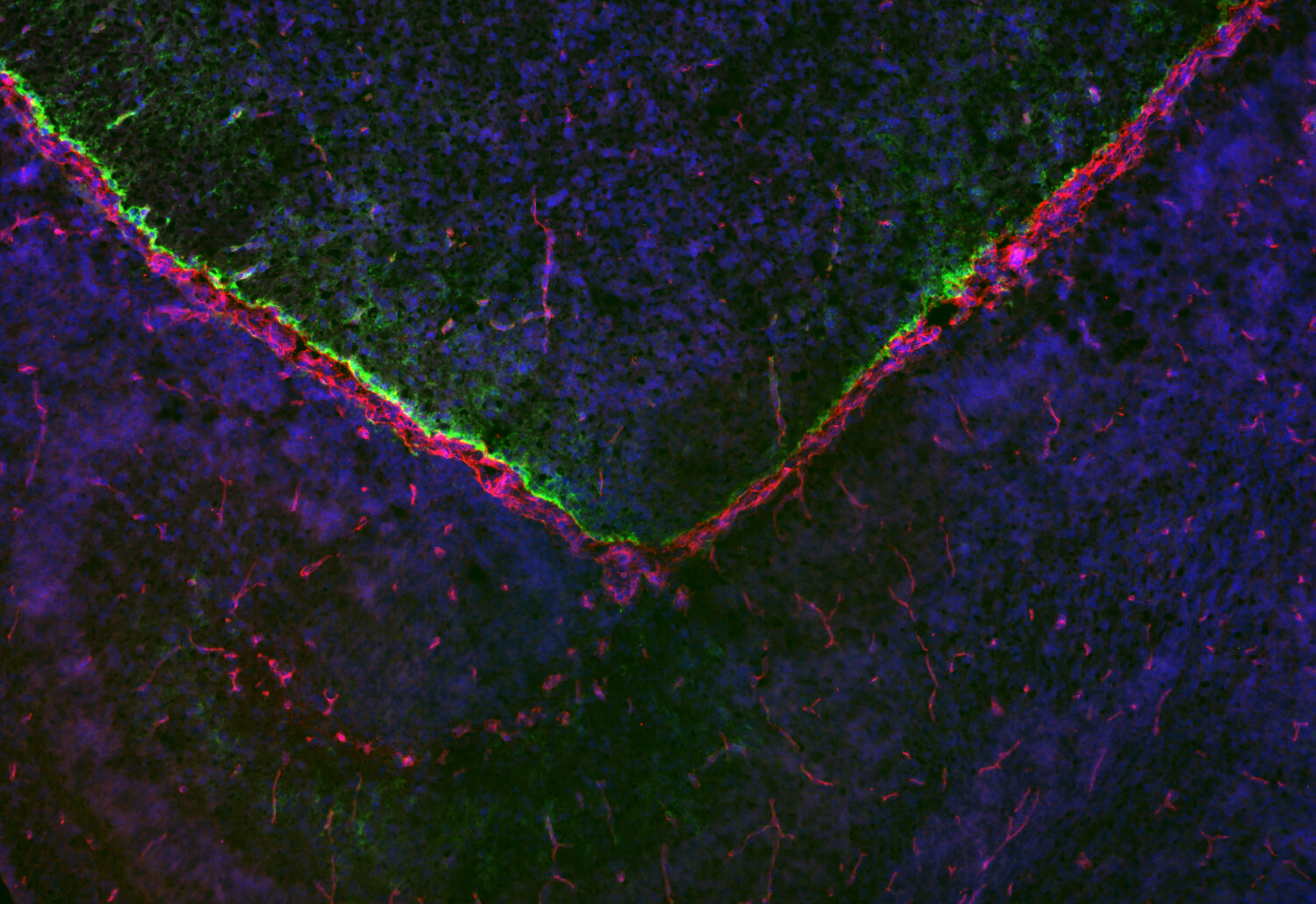
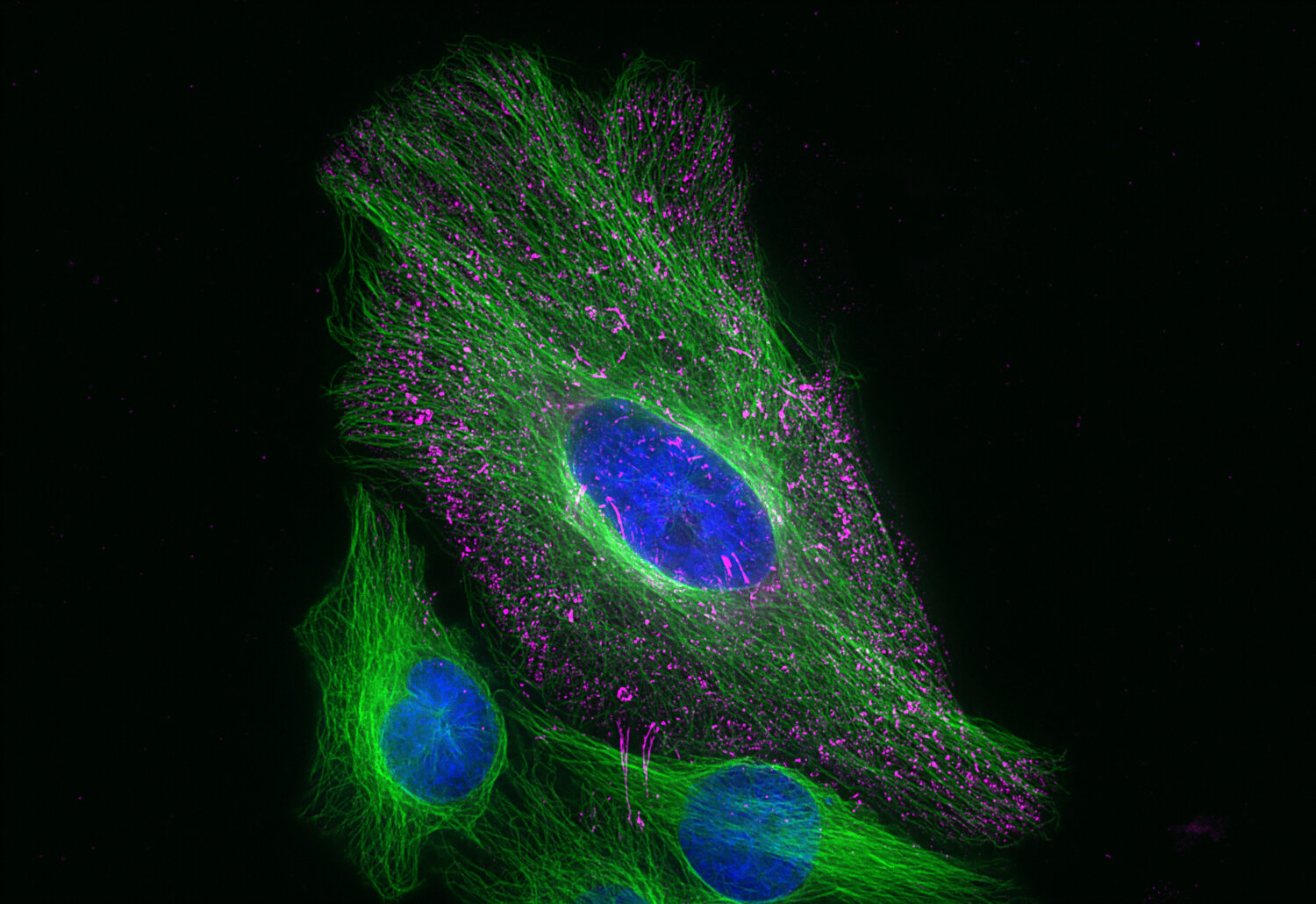
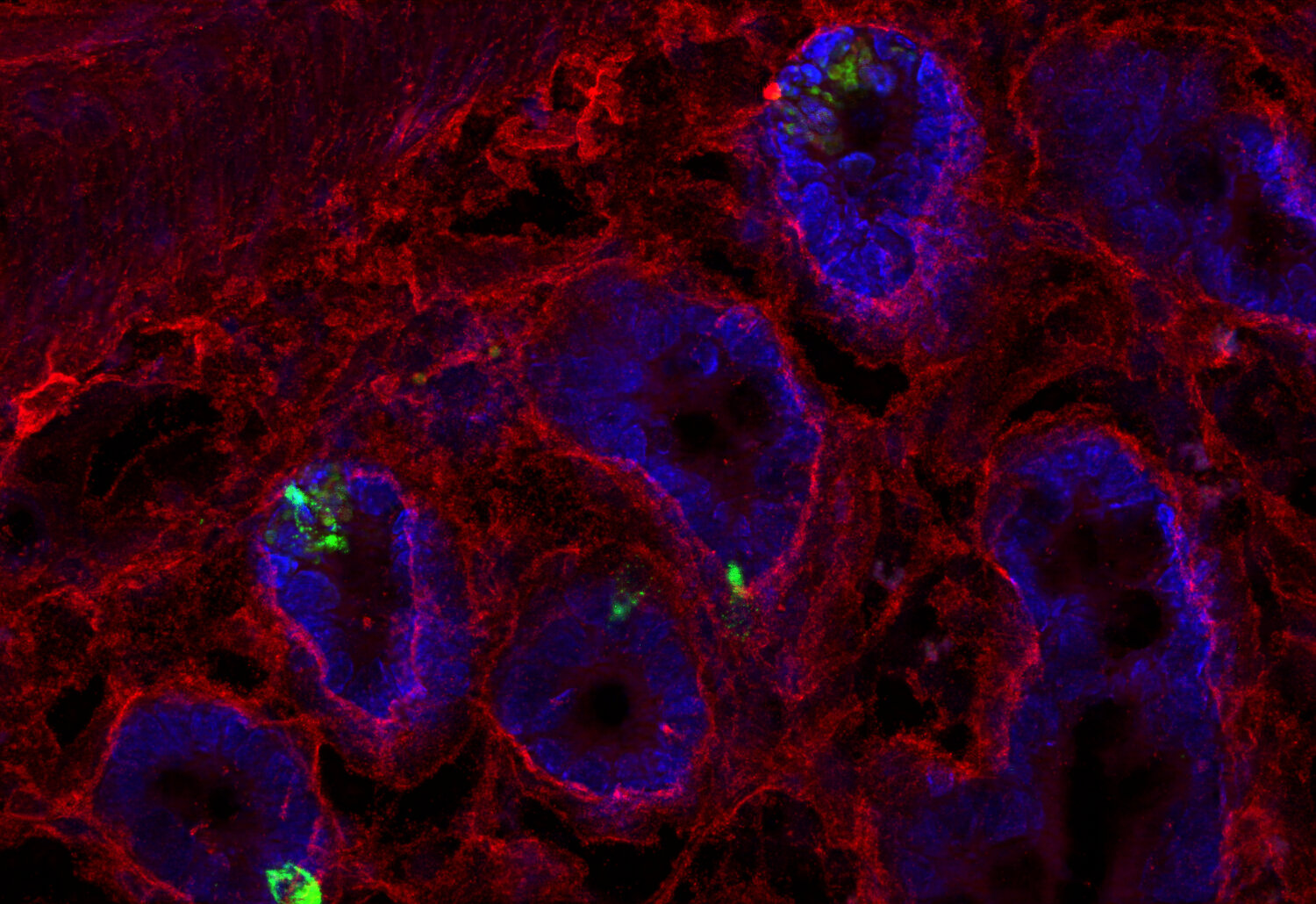
Indirect immunostaining of a postnatal day 0 (P0) mouse ventricle with Fibronectin (red) and Aquaporin4 (green)
Fibronectin (FN, FN1) is an extracellular matrix glycoprotein forming a dimer (~250 kD). Two isoforms exist: plasma fibronectin from hepatocytes and cellular fibronectin made by fibroblasts, endothelial and mesangial cells (3). The FN1 gene belongs to the ECM protein family (3). Fibronectin is ubiquitous, especially in fibroblast and endothelial rich tissues, hepatocytes and renal glomerular mesangial cells (1). During embryogenesis it lines basement membranes of developing vessels and kidneys and is essential for angiogenesis; FN null mice die embryonically with severe vascular defects (2,4). In adults it participates in wound healing. By binding integrins (e.g., α5β1) and growth factors, fibronectin provides a scaffold for cell adhesion, migration and proliferation, regulating morphogenesis and angiogenesis. Clinically, elevated cellular fibronectin occurs in diabetic nephropathy and mesangial expansion (1). After cerebral ischemia it rises sharply, and an imbalance with MMP mediated degradation predicts hemorrhagic transformation (3). Altered fibronectin matrices also promote fibrosis.
Certificates
ISO 9001 2015 Quality Management System and Green Lab Platinum certification level for sustaining laboratory processes.


Newsletter
Sign up for our newsletter and get the latest updates and news.