Cat. No.: 548 002
Amount: 200 µl
Price:
$360.00


|

|
|
| Cat. No. 548 002 |
200 µl antiserum, lyophilized. For reconstitution add 200 µl H2O, then aliquot and store at -20°C until use. Antibodies should be stored at +4°C when still lyophilized. Do not freeze! |
| Applications | |
| Immunogen | Recombinant protein corresponding to residues near the amino region of mouse Podoplanin (UniProt Id: Q62011) |
| Reactivity |
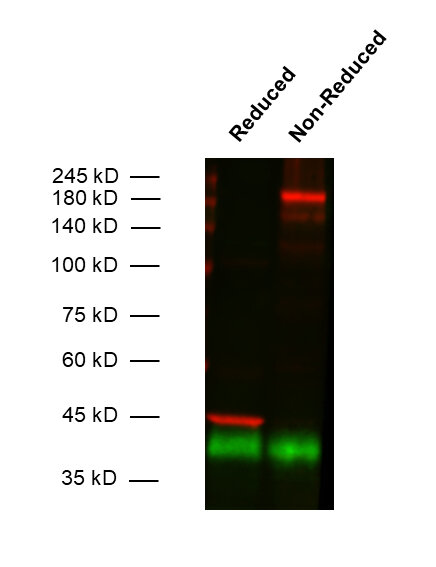
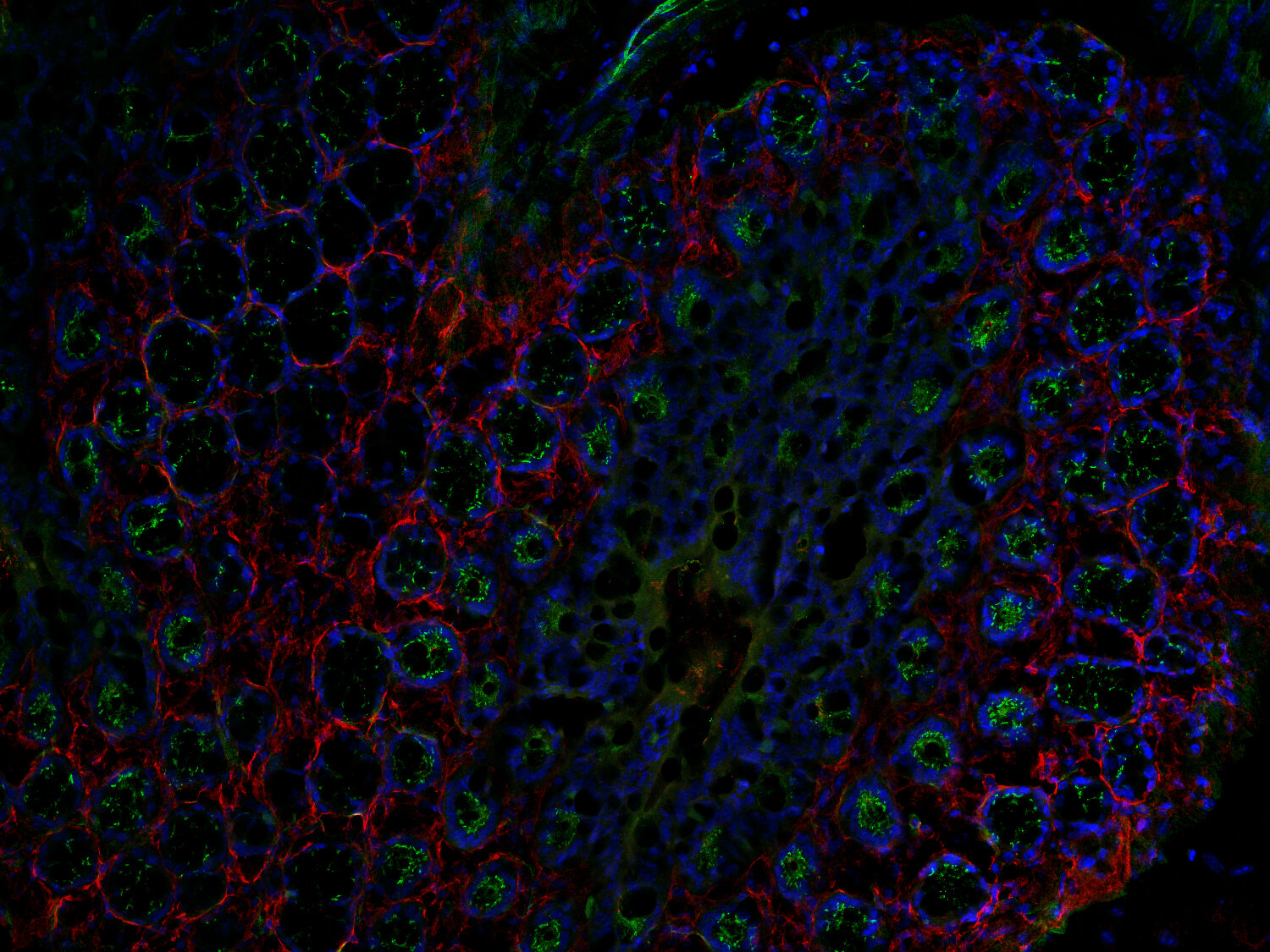
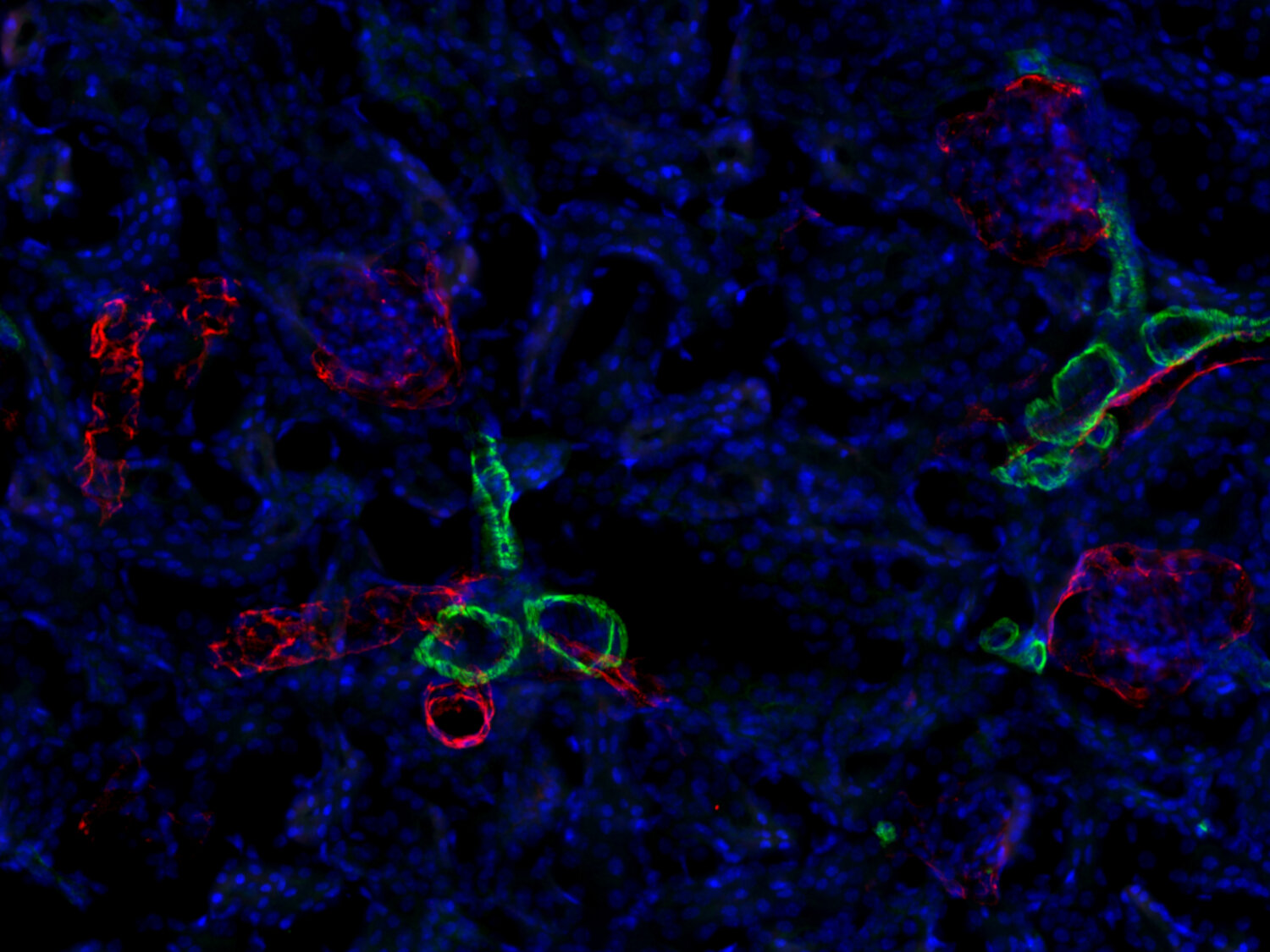
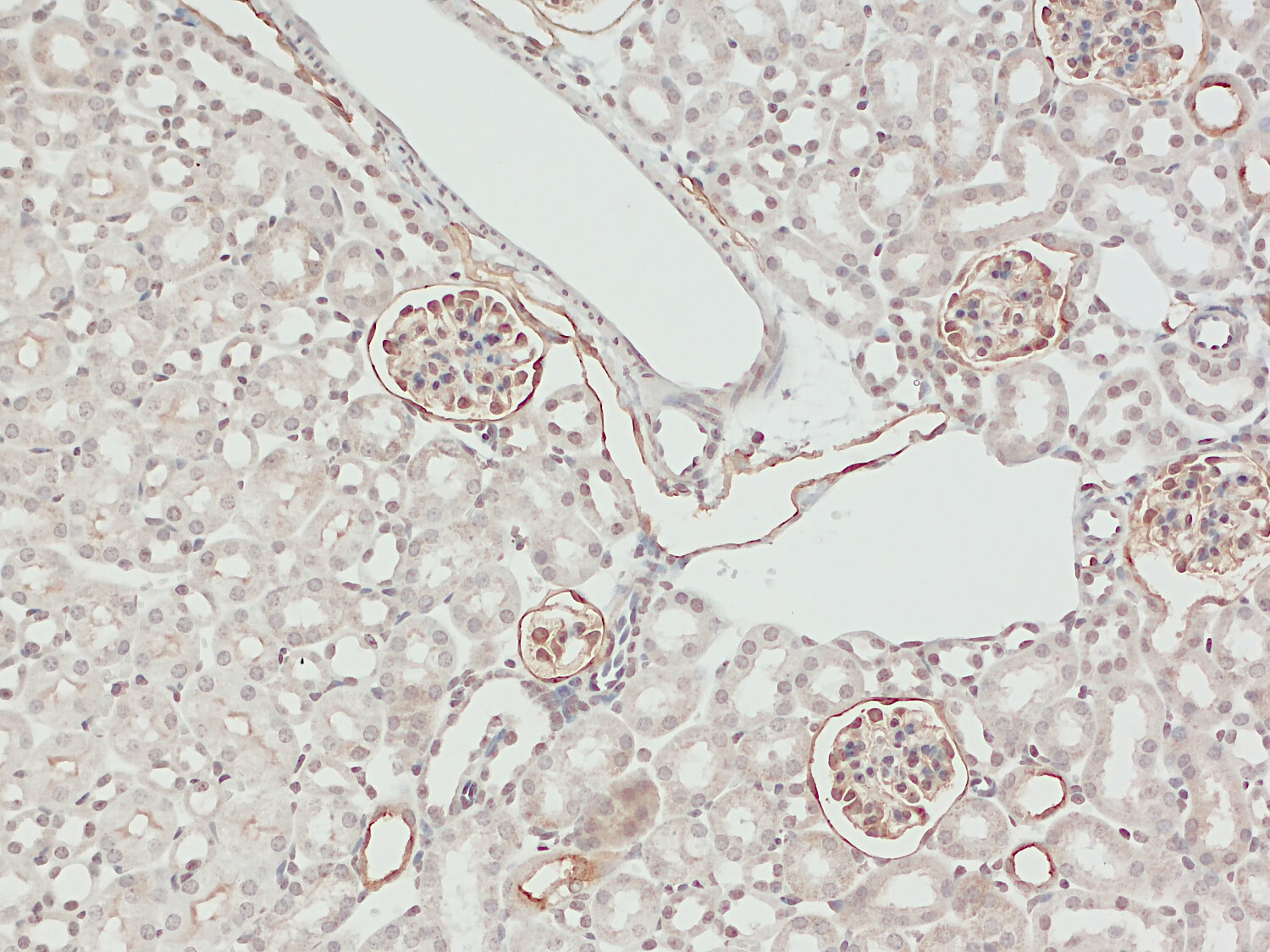
Reacts with: mouse (Q62011). No signal: human (Q86YL7), rat (Q64294). Other species not tested yet. |
| Data sheet | Data Sheet 548_002 |
|
|
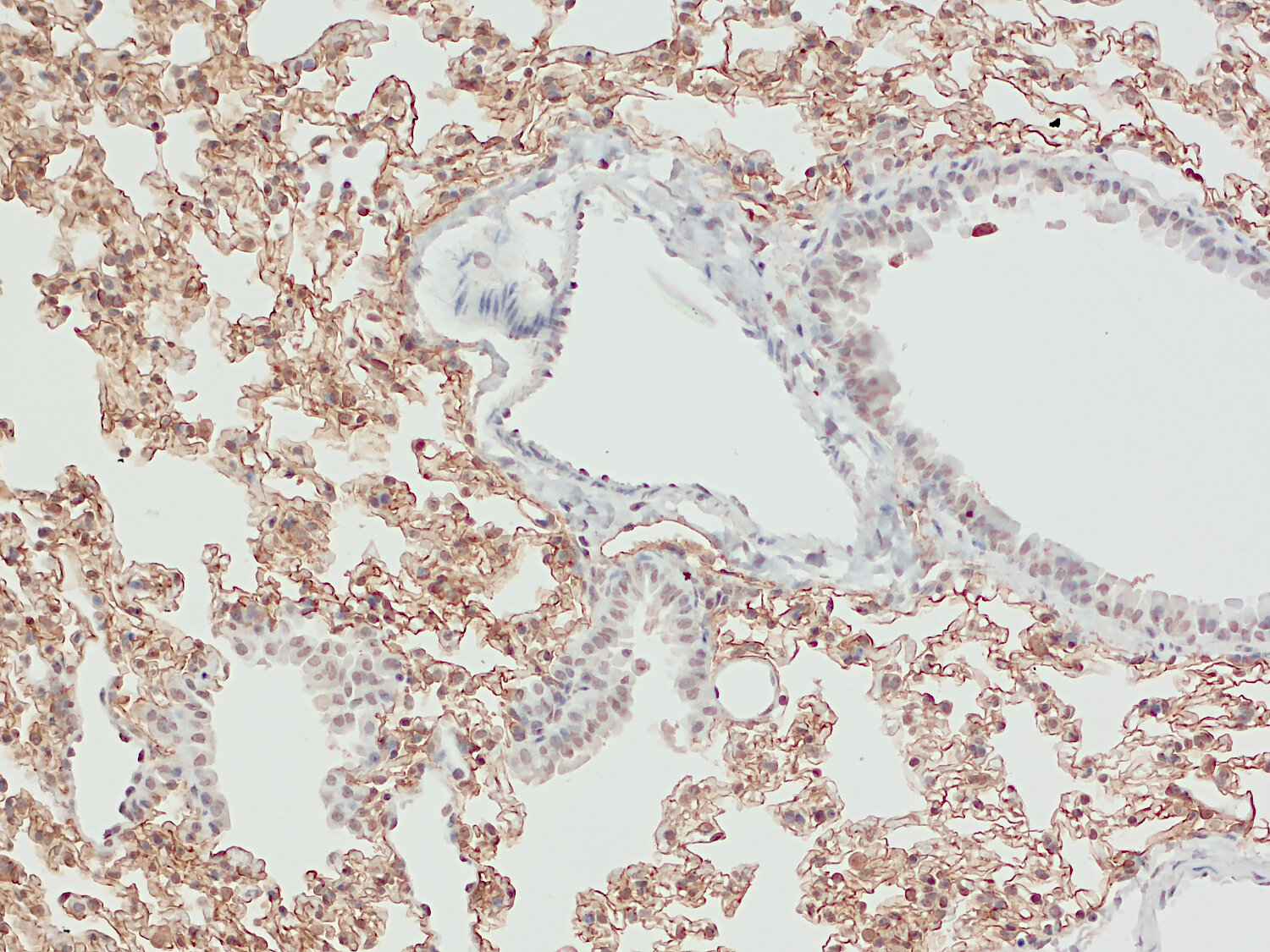
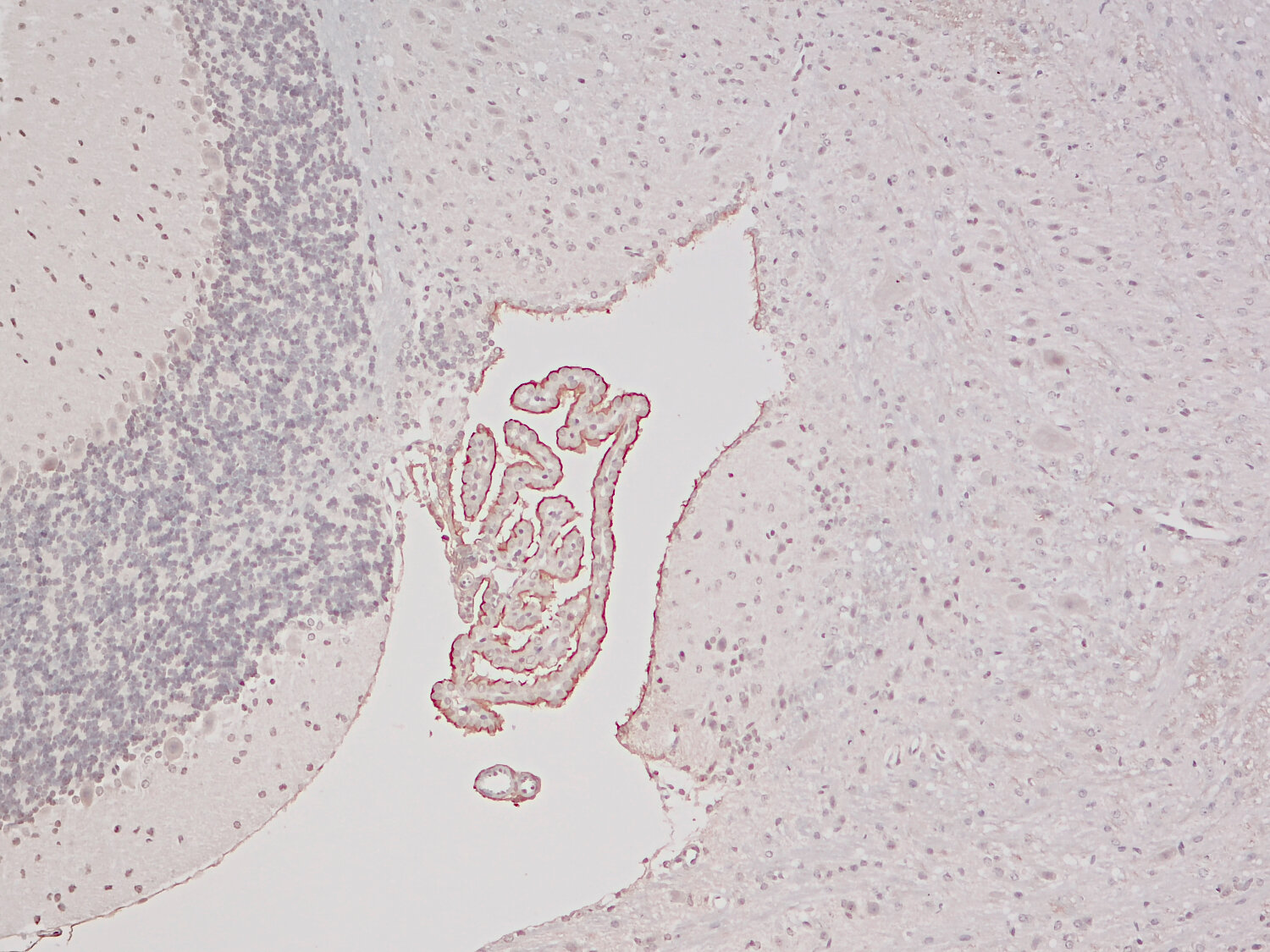
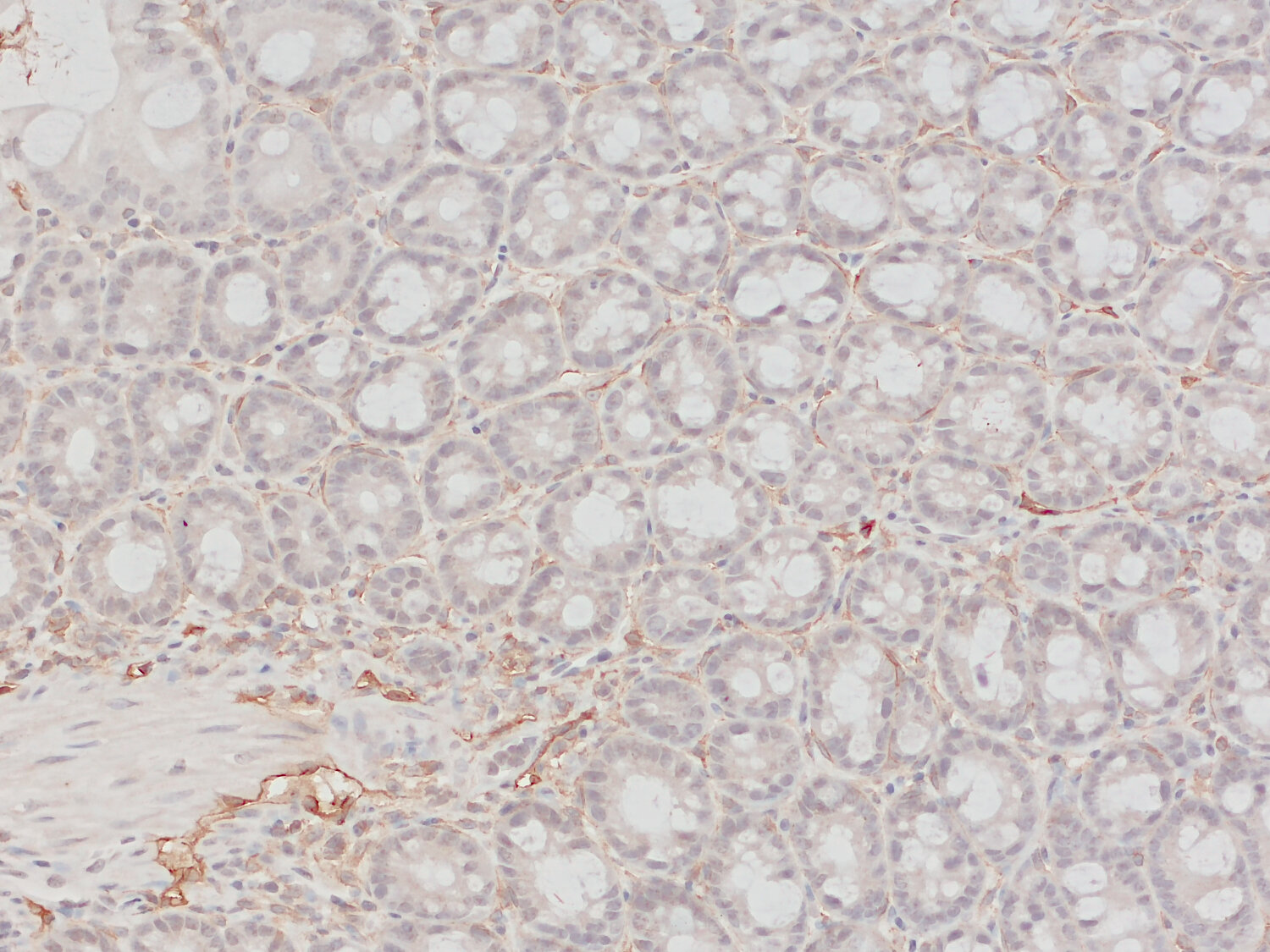
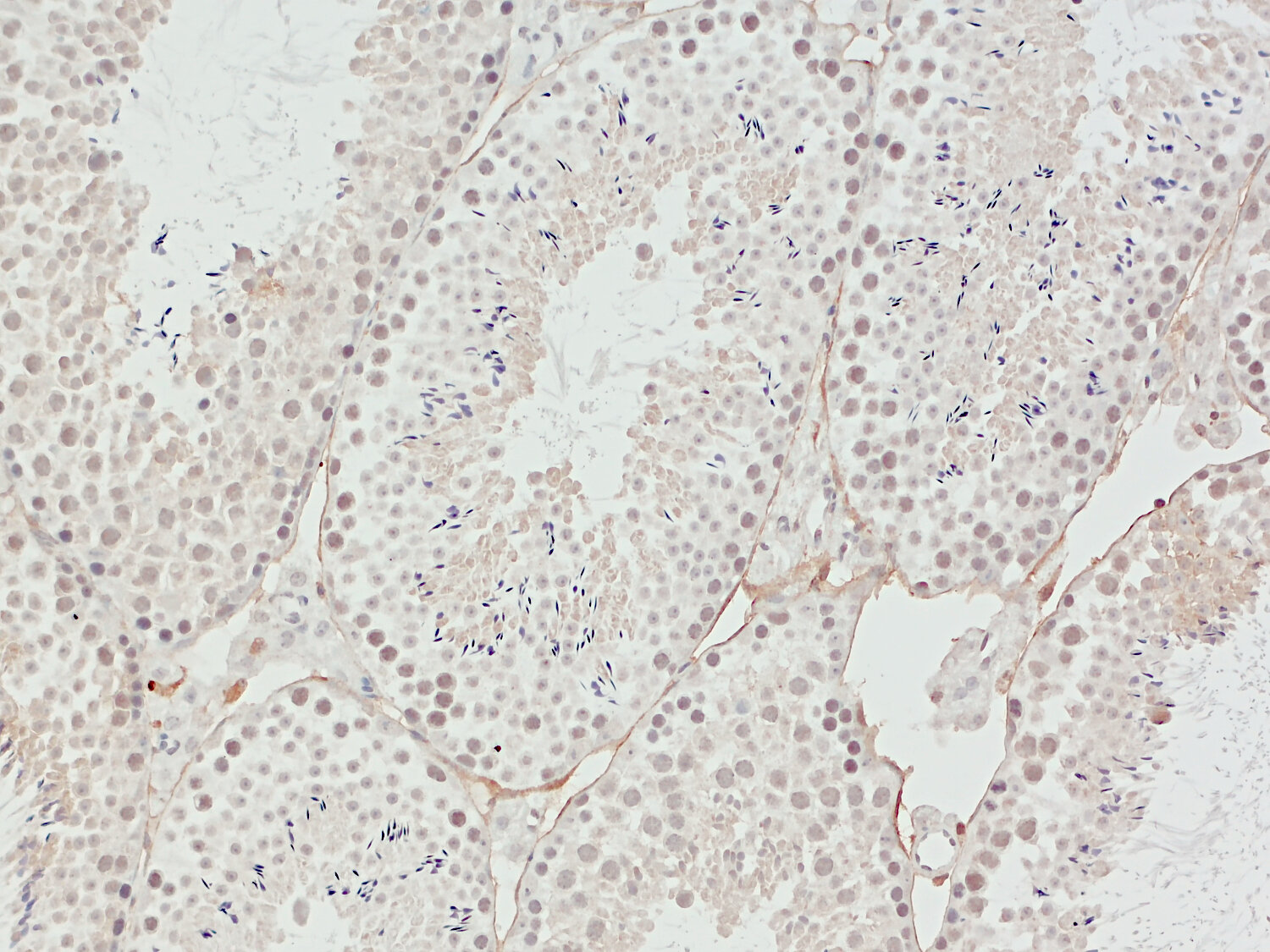
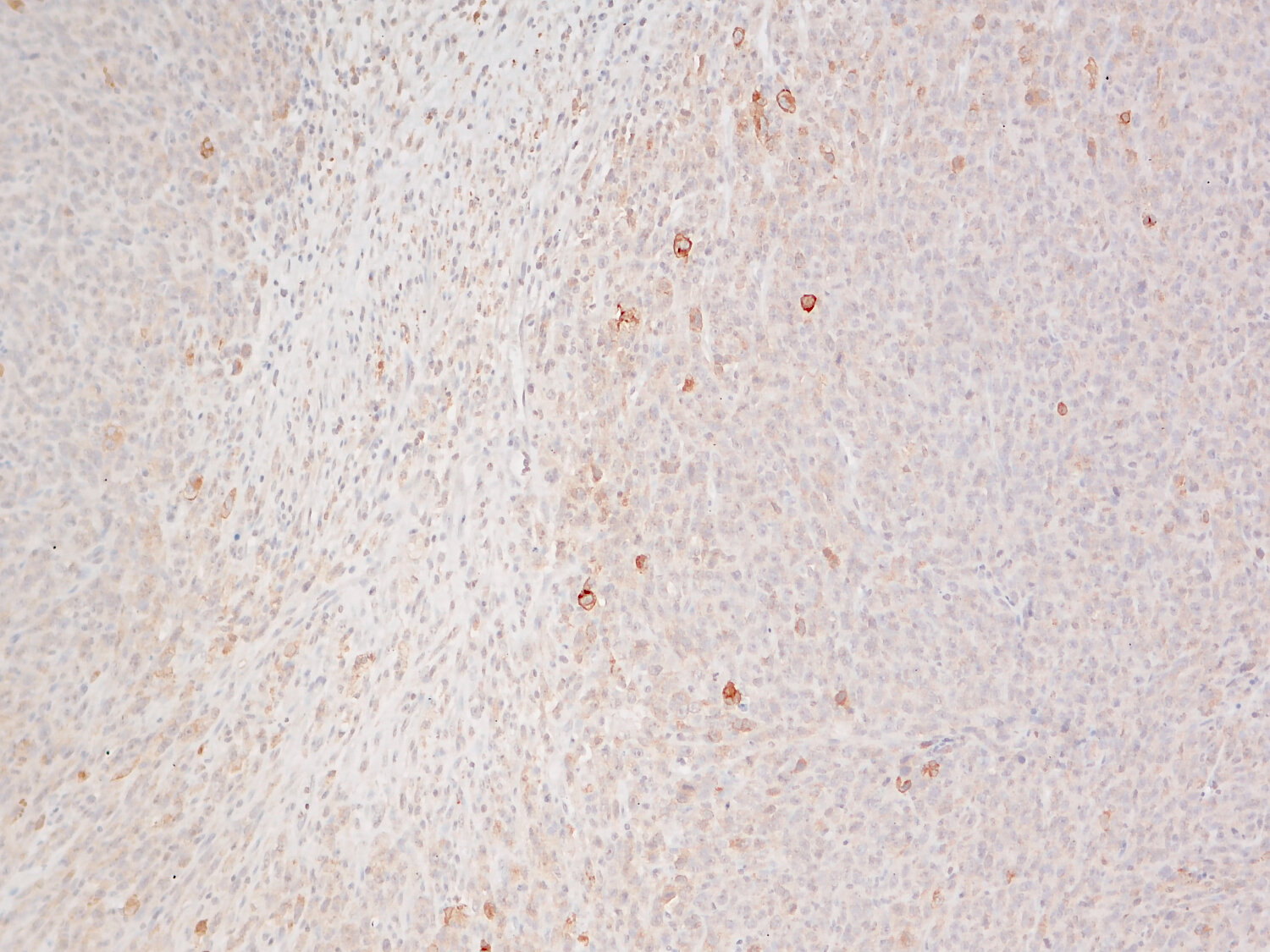
Podoplanin-expressing cells in a mouse lung
Podoplanin (PDPN) is a mucin-type transmembrane glycoprotein expressed in lymphatic endothelial cells, podocytes, and stromal cells. Structurally, it consists of a heavily O-glycosylated extracellular domain, a single transmembrane region, and a short cytoplasmic tail that lacks enzymatic activity. PDPN is primarily localized to the plasma membrane, enriched in actin-rich structures such as filopodia and lamellipodia, where it interacts with ERM (ezrin, radixin, moesin) proteins to regulate cytoskeletal organization, cell adhesion, and migration. Its incorporation into extracellular vesicles suggests roles in intercellular communication and microenvironmental regulation (1, 2).
Physiologically, PDPN is essential for lymphatic vascular development, separating blood and lymphatic vessels through platelet CLEC-2 interactions. It also maintains lymphoid tissue architecture and supports immune cell trafficking, largely via Rho GTPase-mediated cytoskeletal remodeling (3).
Pathologically, PDPN is upregulated in cancer, inflammation, and fibrosis. In the tumor microenvironment, PDPN marks cancer-associated fibroblasts (CAFs), which remodel the extracellular matrix, increase tissue stiffness, and facilitate tumor invasion and metastasis. PDPN+ CAFs also modulate immune responses and interact with platelets to promote tumor-associated thrombosis (4). In inflammatory diseases, PDPN is expressed by activated fibroblasts, macrophages, and Th17 cells, where it regulates immune cell migration, cytokine production, and tissue remodeling, contributing to chronic inflammation and fibrosis (3). Additionally, PDPN-mediated platelet activation links it to vascular pathology and thrombosis (5).
Overall, PDPN is a multifunctional plasma membrane protein that orchestrates cell–cell and cell–matrix interactions, cytoskeletal dynamics, and tissue remodeling. Its expression in pathological contexts—cancer, inflammation, and fibrosis—highlights PDPN as a key biomarker and a promising therapeutic target.
Certificates
ISO 9001 2015 Quality Management System and Green Lab Platinum certification level for sustaining laboratory processes.


Newsletter
Sign up for our newsletter and get the latest updates and news.