Cat. No.: 545 003
Amount: 50 µg
Price:
$380.00


|

|
|
| Cat. No. 545 003 |
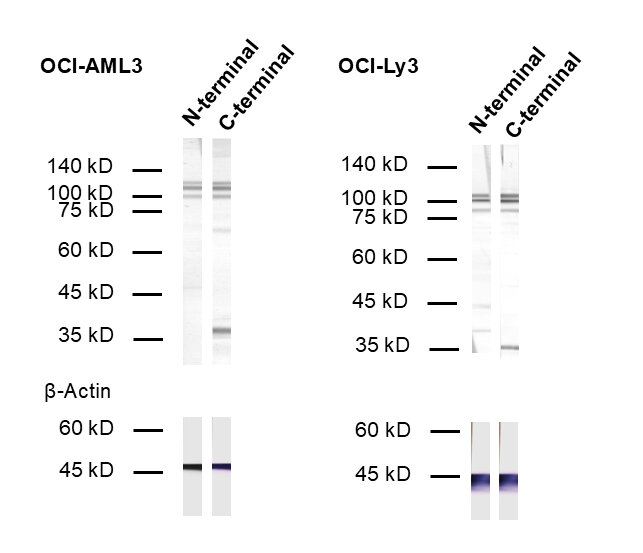
50 µg specific antibody, lyophilized. Affinity purified with the immunogen. Albumin and azide were added for stabilization. For reconstitution add 50 µl H2O to get a 1mg/ml solution in PBS. Then aliquot and store at -20°C to -80°C until use. Antibodies should be stored at +4°C when still lyophilized. Do not freeze! |
| Applications | |
| Immunogen | Synthetic peptide corresponding to residues near the amino terminus of human IFI16 (UniProt Id: Q16666) |
| Reactivity |
Reacts with: human (Q16666). Other species not tested yet. |
| Data sheet | Data Sheet 545_003 |
|
|
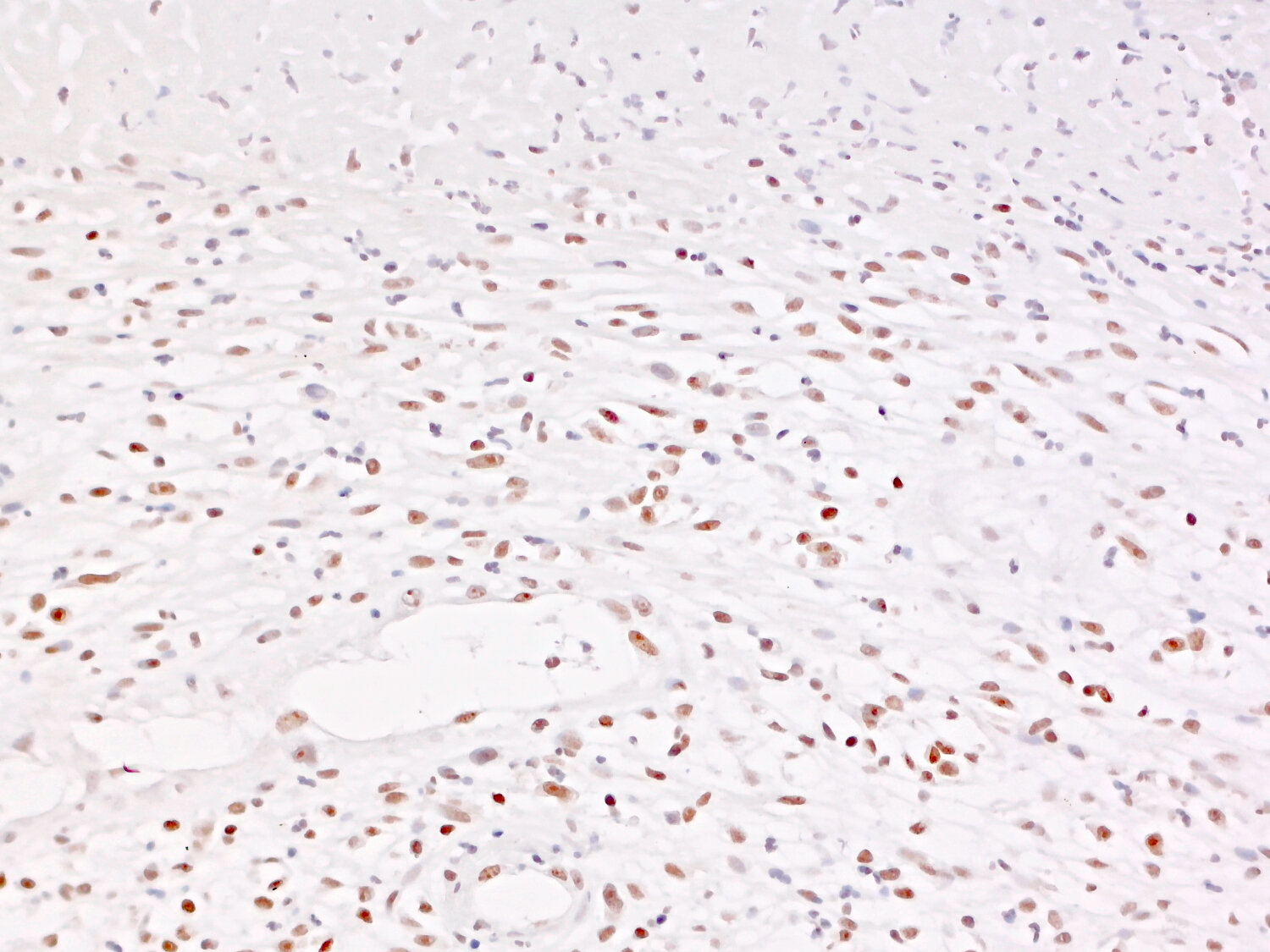
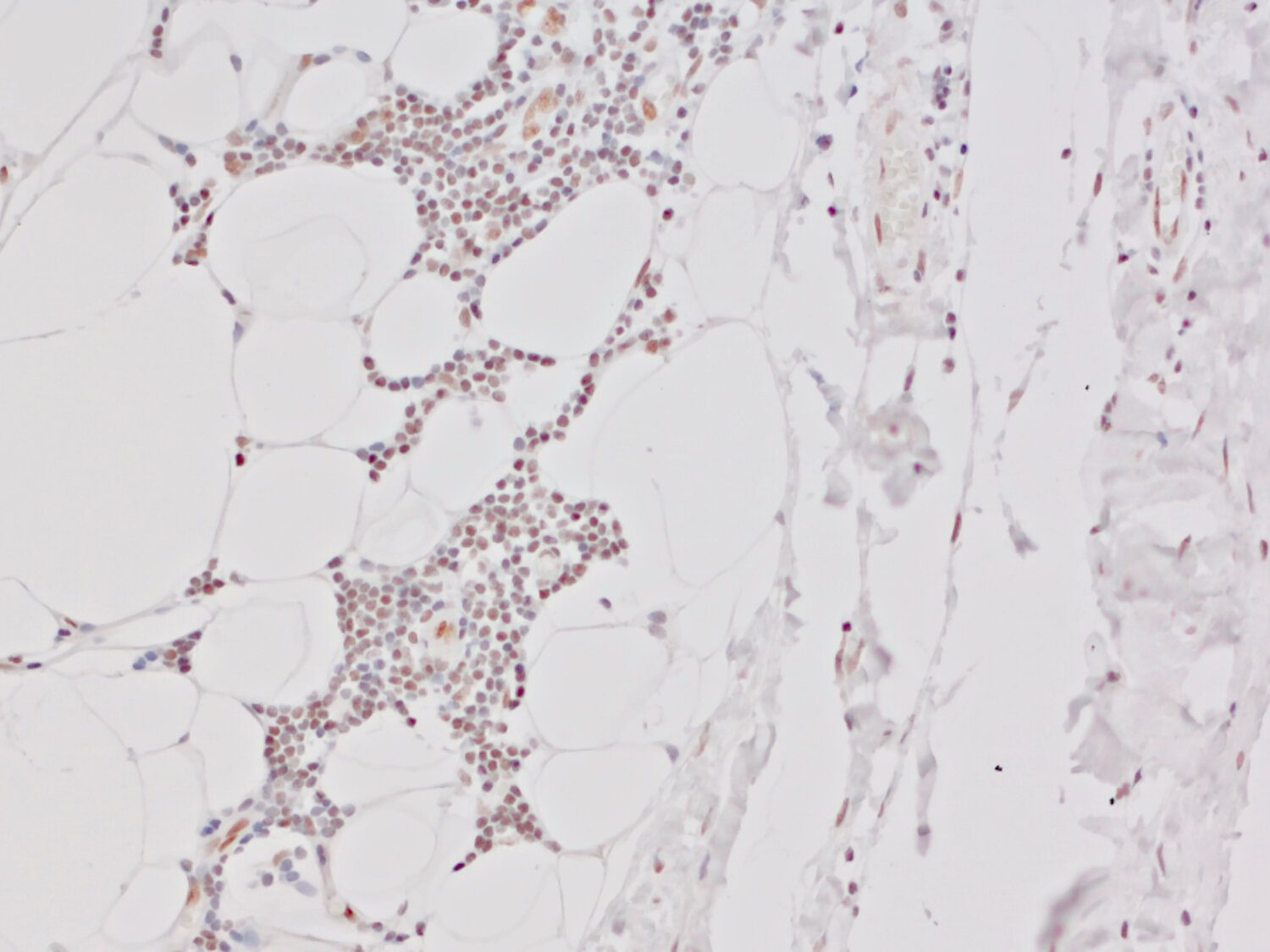
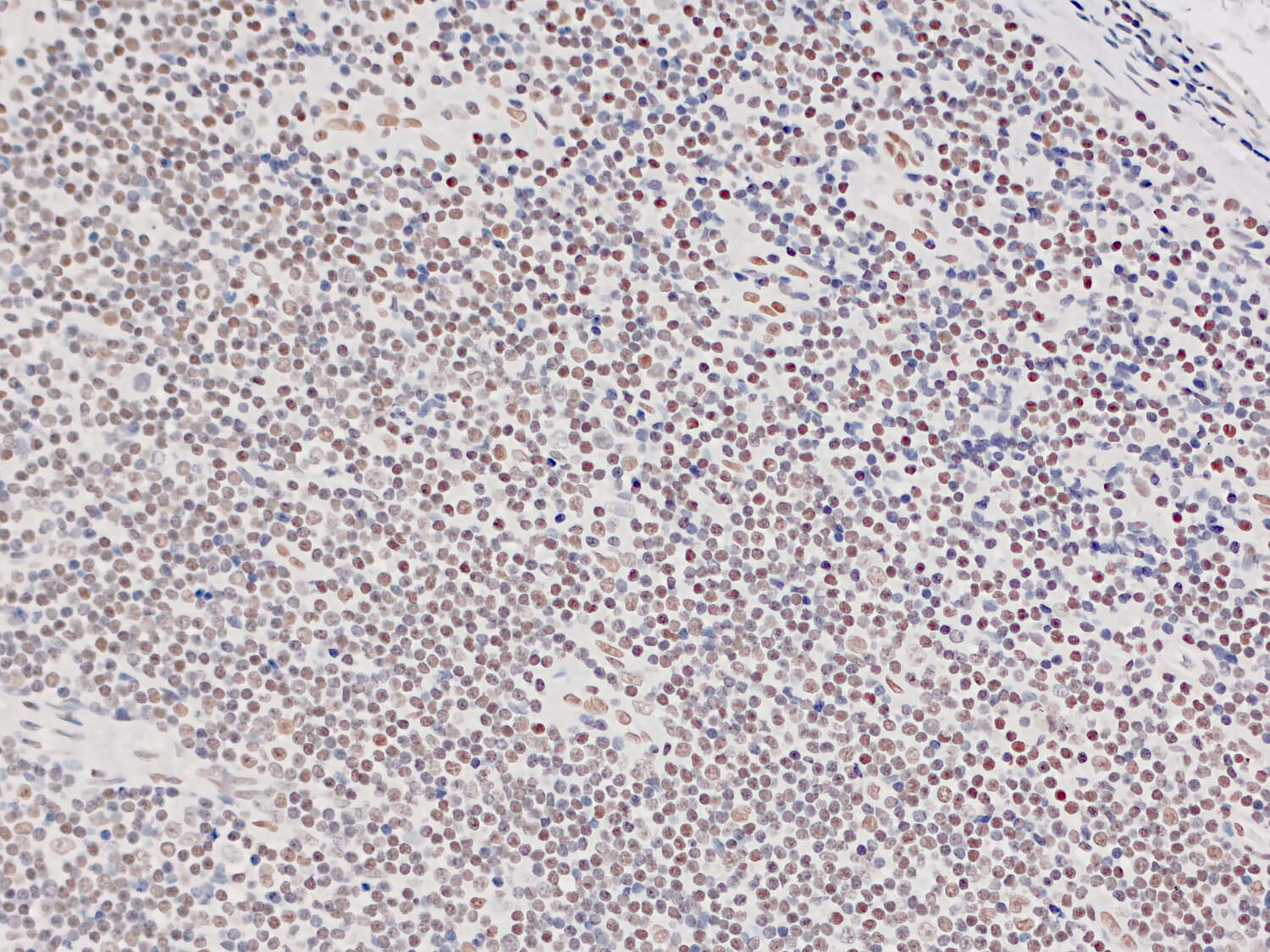
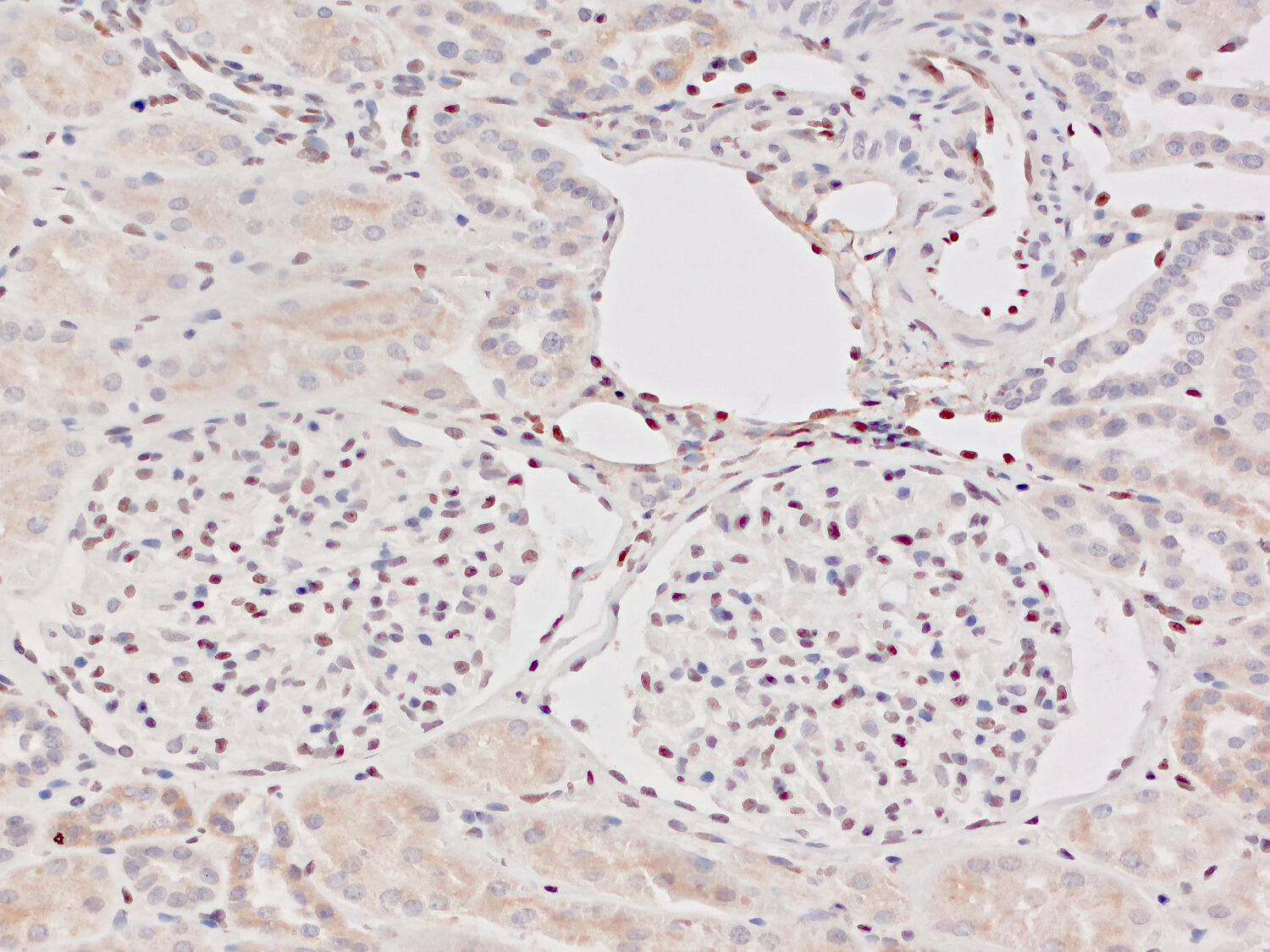
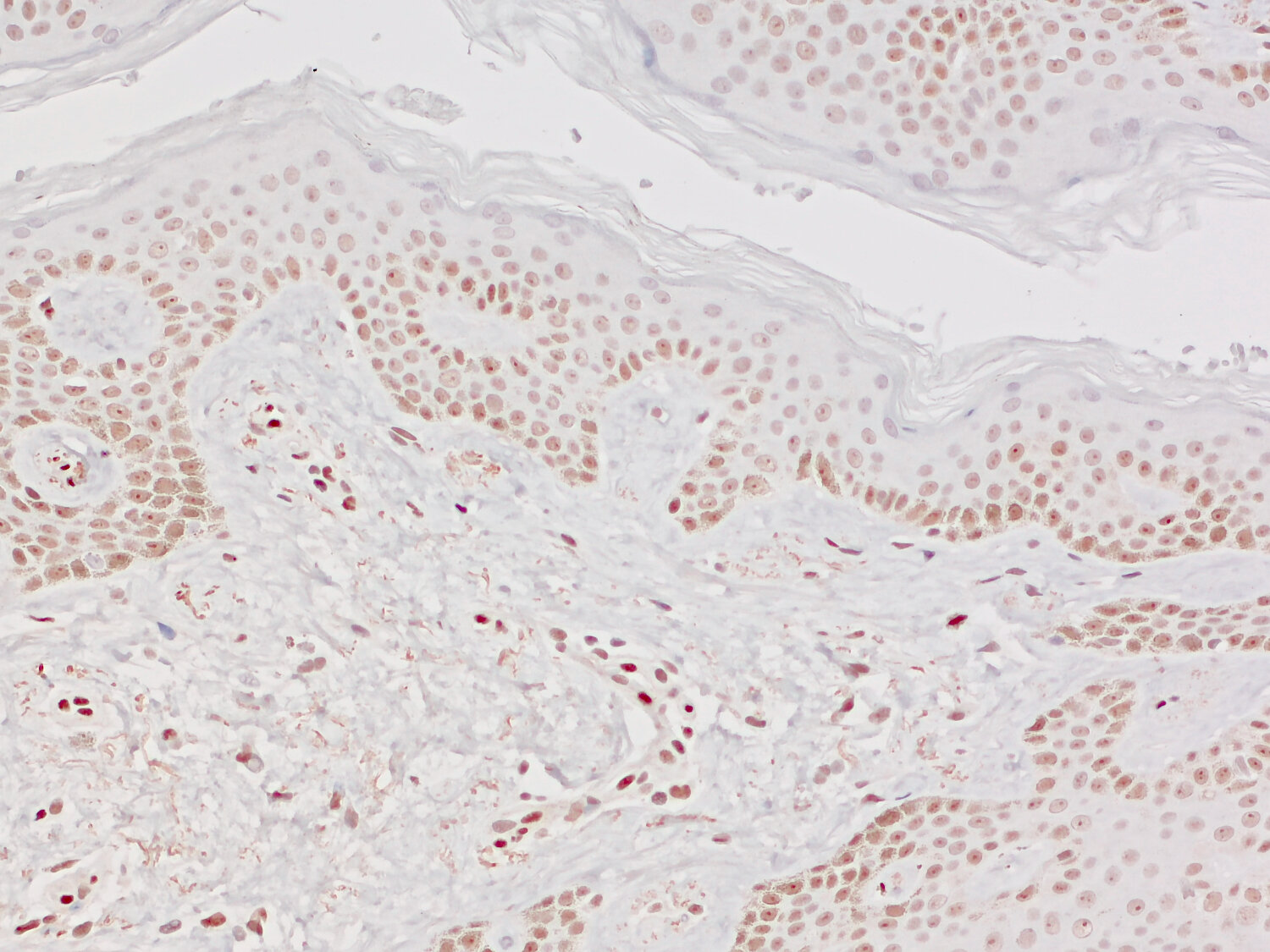
Immunostaining of a human melanoma section using IFI16 to visualize a component of the inflammasome.
Interferon gamma inducible protein 16 (IFI16) is a member of the PYHIN (pyrin and HIN domain–containing) protein family and functions as a critical mediator of innate immune sensing and inflammatory signaling. IFI16 acts as a nuclear and cytoplasmic DNA sensor capable of recognizing viral and aberrant self-DNA, thereby initiating downstream signaling through pathways including STING–TBK1–IRF3 to promote type I interferon and pro-inflammatory cytokine production (1). In addition to its role in interferon signaling, IFI16 participates in inflammasome activation (2), transcriptional regulation, and cell cycle control, underscoring its multifunctional nature in immune defence and cellular homeostasis. Dysregulation of IFI16 expression or signaling has been implicated in diverse pathological conditions, including viral infections, autoimmune diseases such as systemic lupus erythematosus and Sjögren syndrome, chronic inflammatory disorders, and cancer (3,4). Notably, IFI16 exhibits context-dependent roles in tumor biology, functioning as either a tumor suppressor or a promoter of inflammation-driven tumorigenesis depending on cellular and microenvironmental factors.
Certificates
ISO 9001 2015 Quality Management System and Green Lab Platinum certification level for sustaining laboratory processes.

Newsletter
Sign up for our newsletter and get the latest updates and news.