Cat. No.: 540 004
Amount: 100 µl
Price:
$370.00

|

|
|
| Cat. No. 540 004 |
100 µl antiserum, lyophilized. Albumin and azide were added for stabilization. For reconstitution add 100 µl H2O, then aliquot and store at -20°C until use. Antibodies should be stored at +4°C when still lyophilized. Do not freeze! |
| Applications | |
| Immunogen | Synthetic peptides corresponding to residues surrounding AA 20 and AA 180 of mouse Annexin A2 (UniProt Id: P07356) |
| Reactivity |
Reacts with: human (P07355), rat (Q07936), mouse (P07356). Other species not tested yet. |
| Remarks |
ICC: Methanol fixation is recommended. |
| Data sheet | Data Sheet 540_004 |
|
|
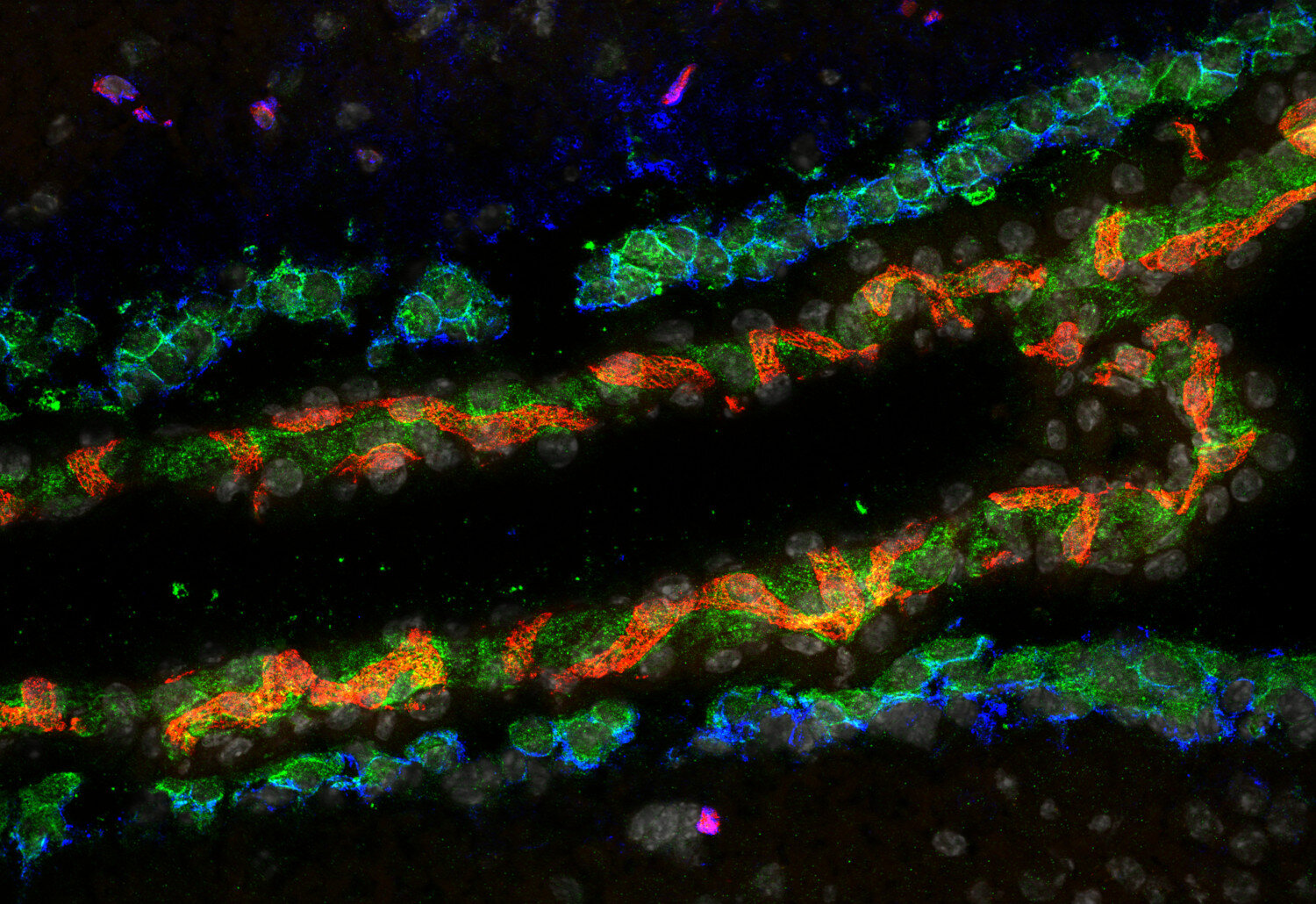
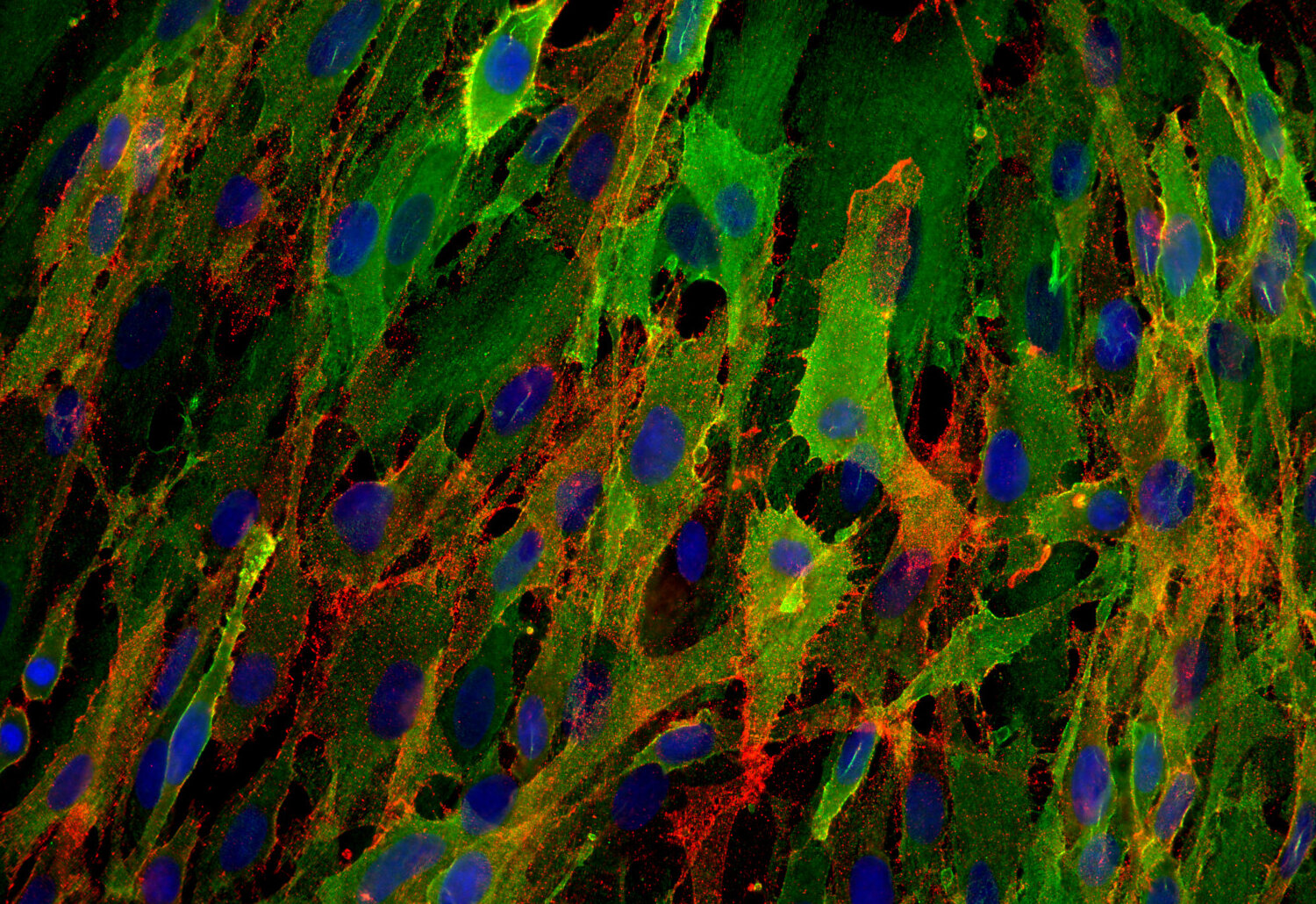
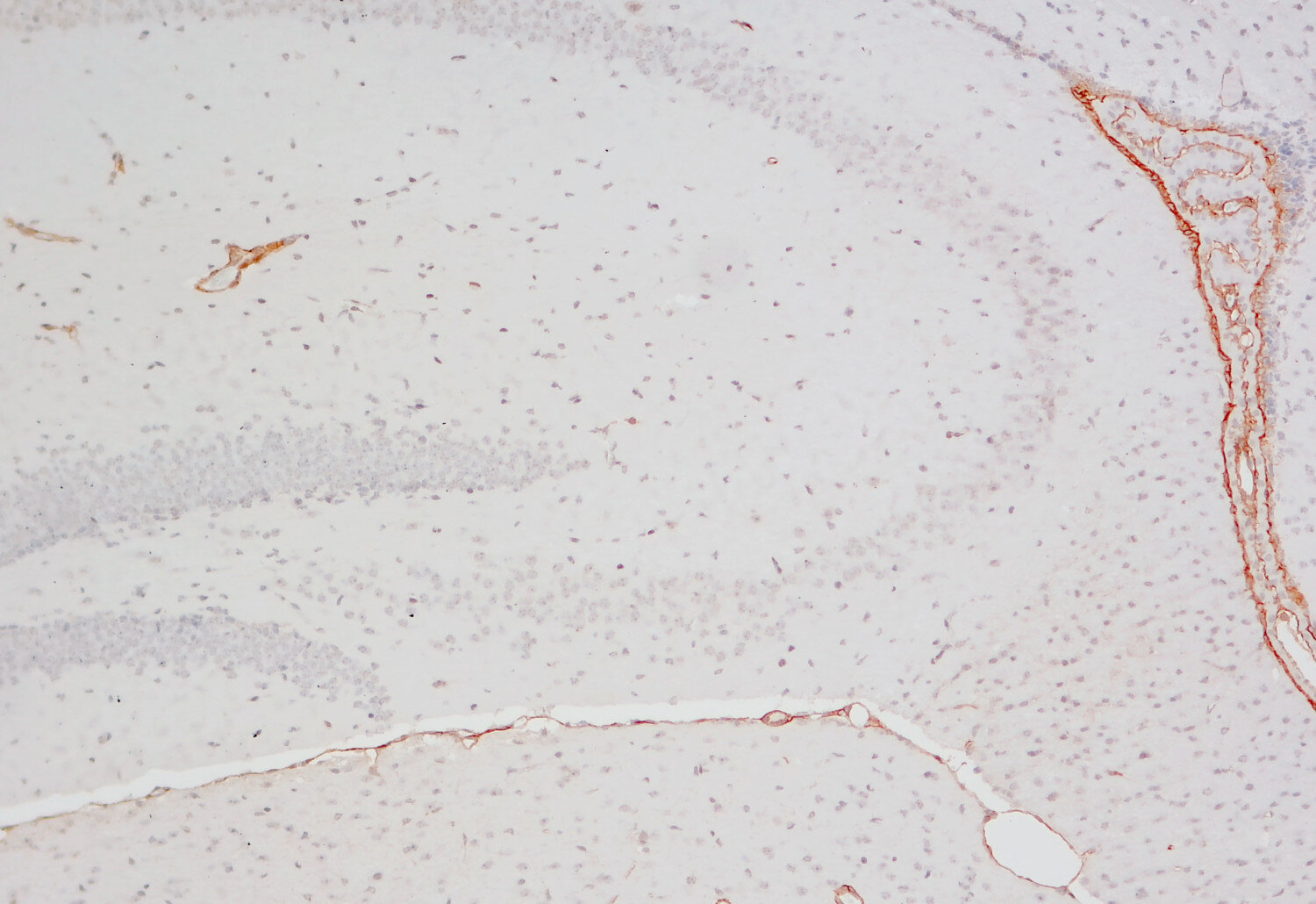
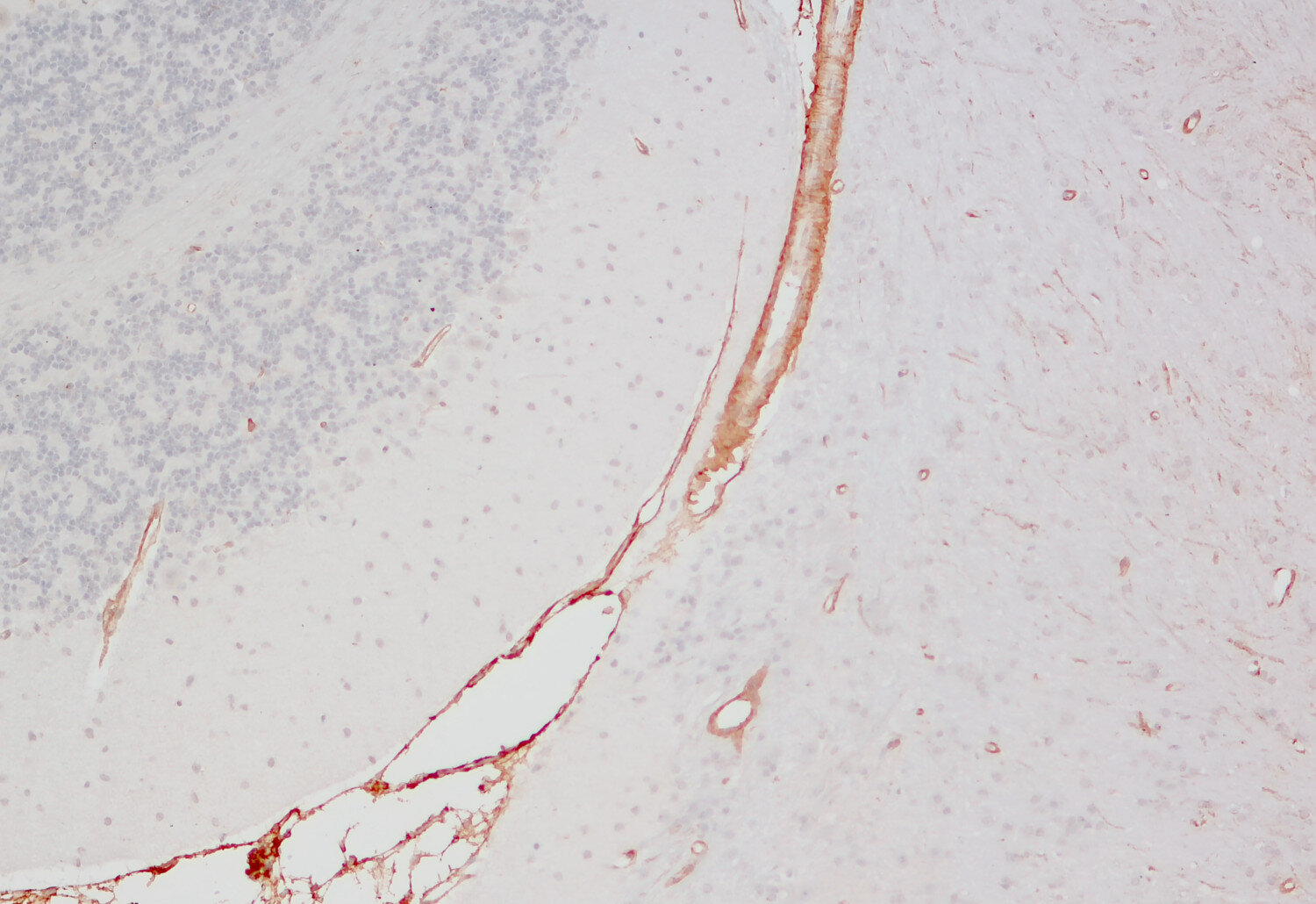
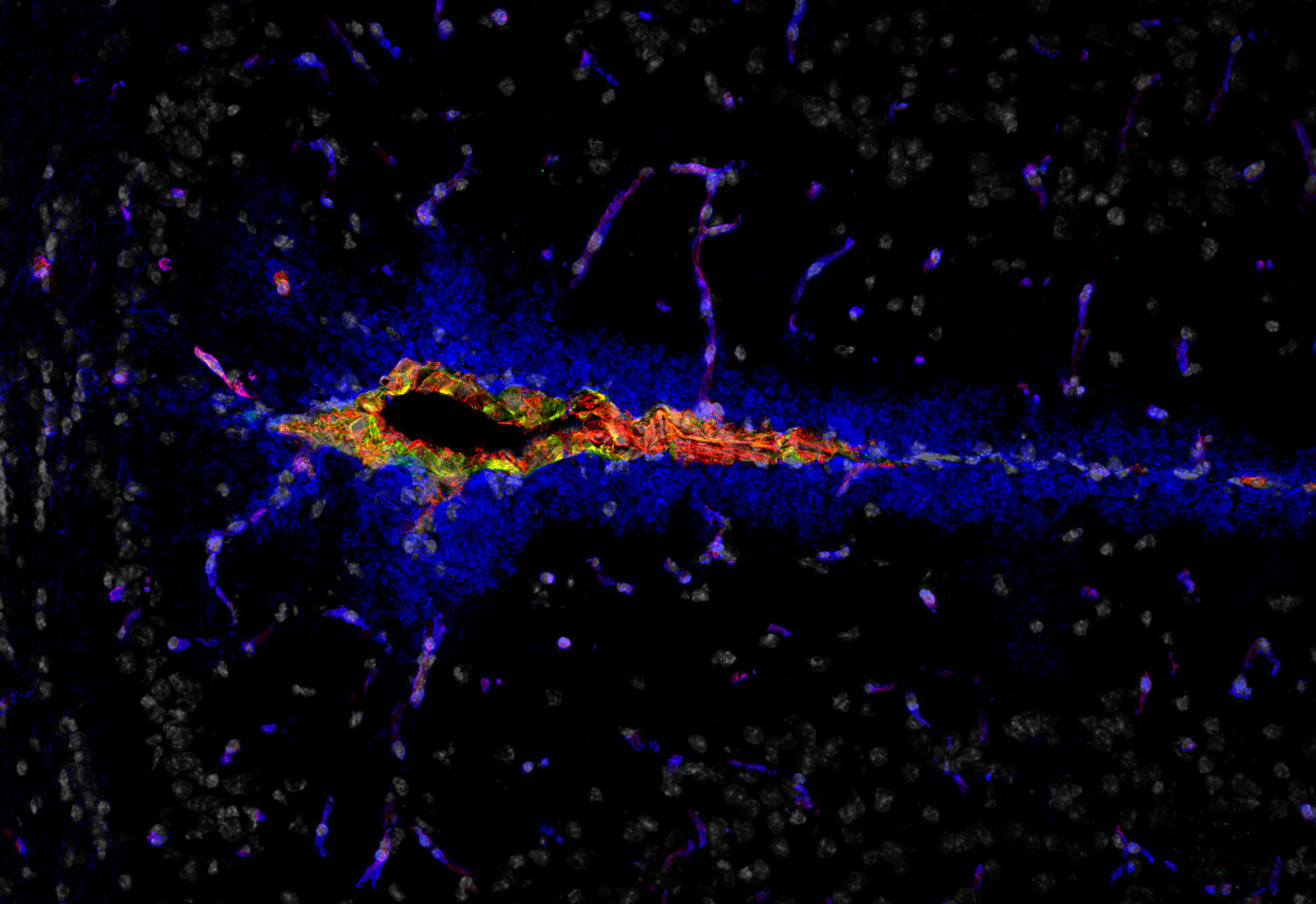
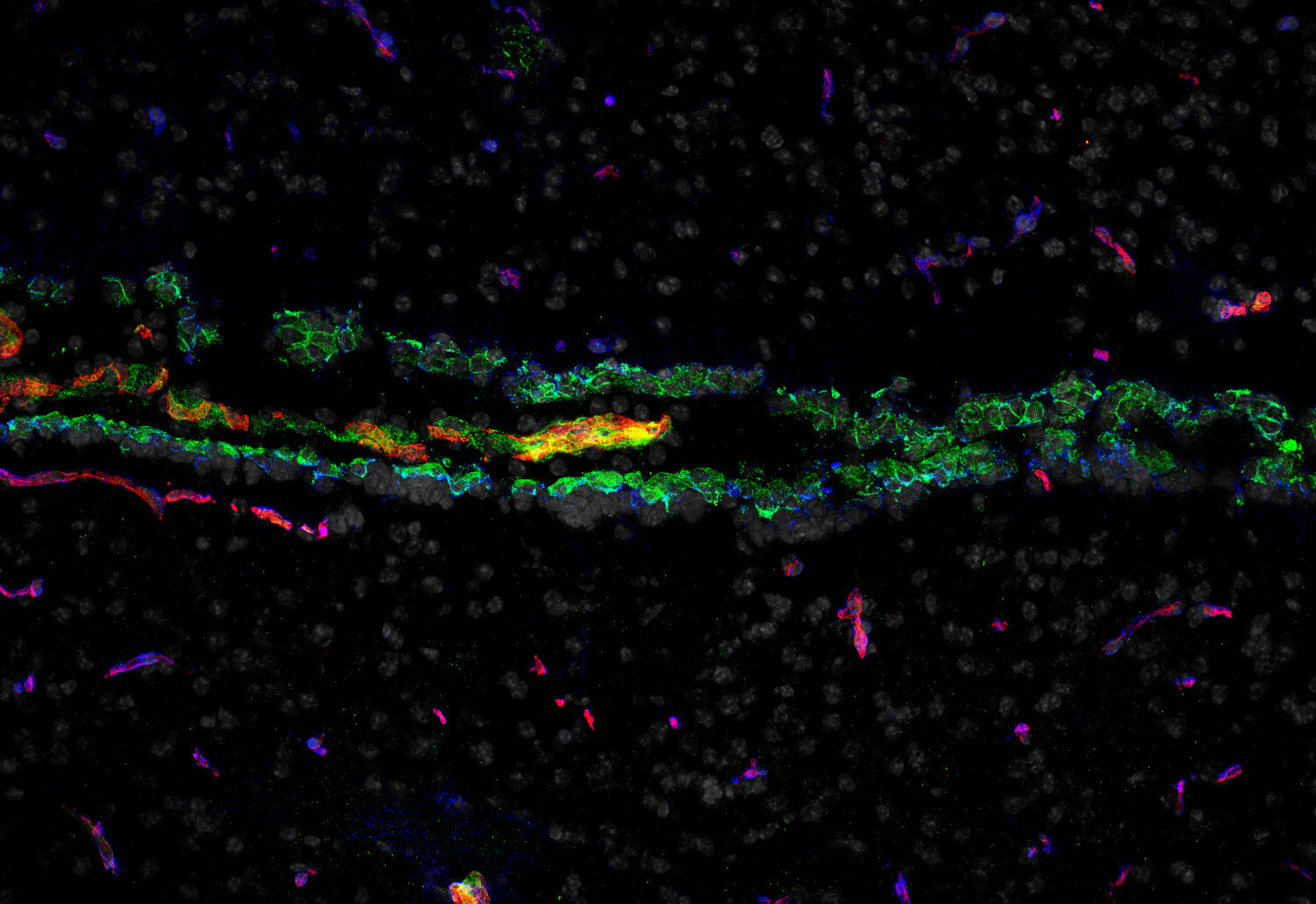
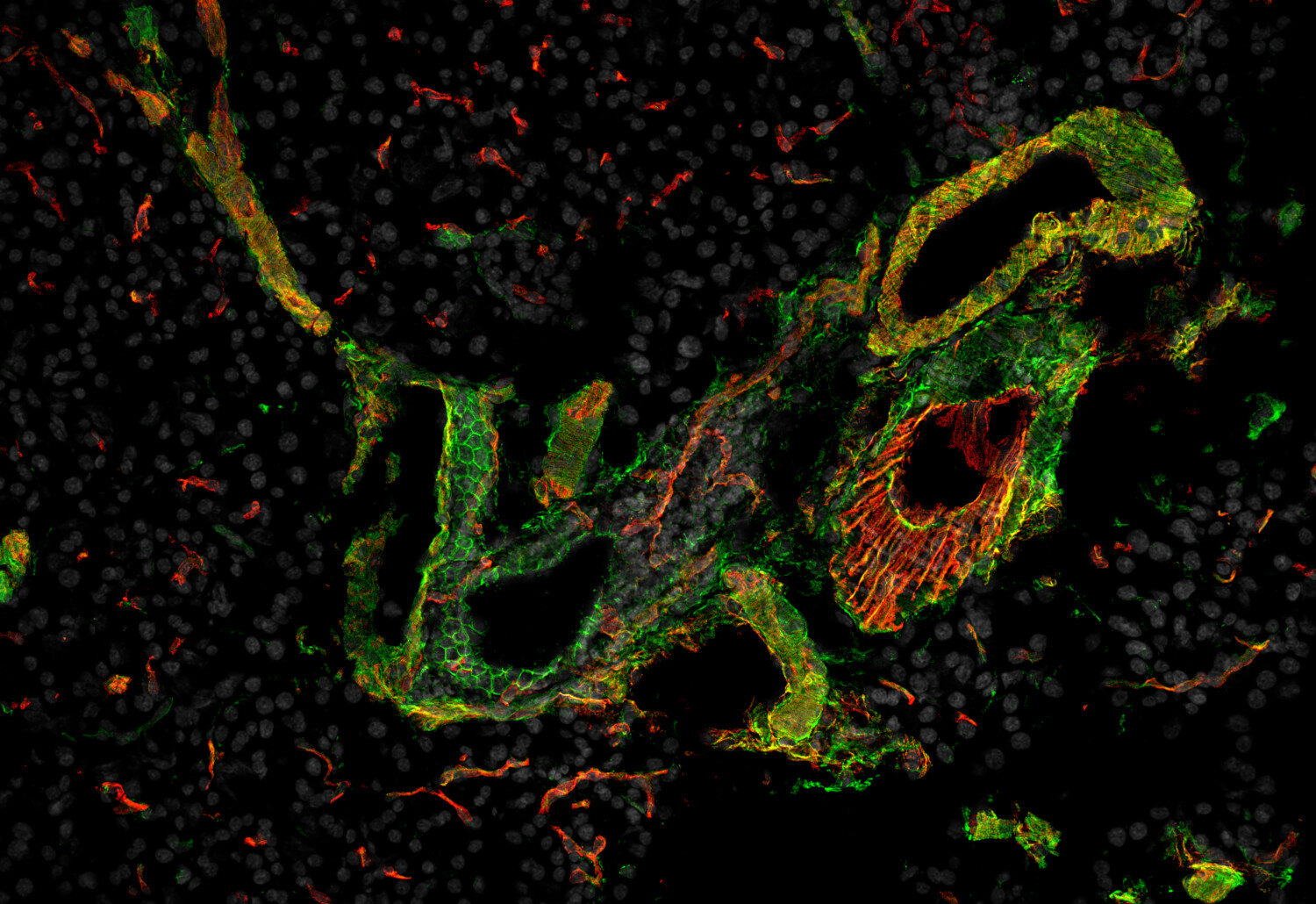
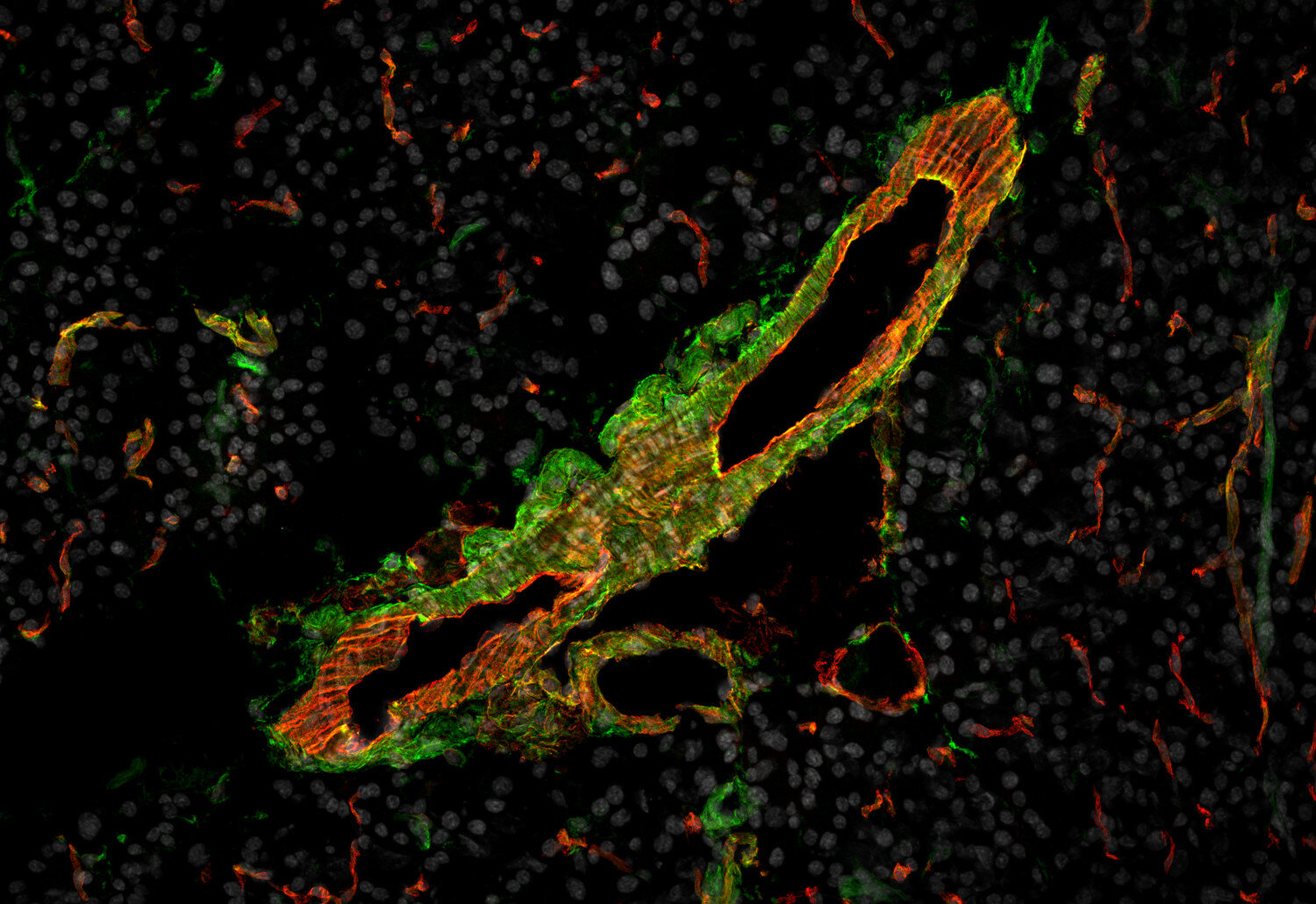
Annexin A2-positive staining (green) in a mouse brain section
Annexin A2 (ANXA2) is a calcium-dependent phospholipid-binding protein of the annexin family that is widely expressed in eukaryotic cells. It is localized at the plasma membrane as well as in the cytoplasm and participates in several cellular processes, including endocytosis, exocytosis, signal transduction, actin cytoskeleton remodeling, and membrane organization (1,2). ANXA2 commonly forms a heterotetrameric complex with S100A10, which regulates its calcium sensitivity and functional activity (3). The protein is highly expressed in endothelial cells and contributes to membrane stability, endothelial junction maintenance, and vascular integrity. ANXA2 also acts as a co-receptor for plasminogen and tissue plasminogen activator (tPA), promoting plasmin generation and extracellular matrix degradation, thereby facilitating angiogenesis and cell migration (4). Increased ANXA2 expression has been reported in multiple cancers and inflammatory diseases and is associated with tumor progression, neovascularization, and immune activation (5). Due to its endothelial membrane localization and immunological relevance, ANXA2 has been identified as a potential endothelial autoantigen in diseases such as Behçet’s disease (6).
Certificates
ISO 9001 2015 Quality Management System and Green Lab Platinum certification level for sustaining laboratory processes.


Newsletter
Sign up for our newsletter and get the latest updates and news.