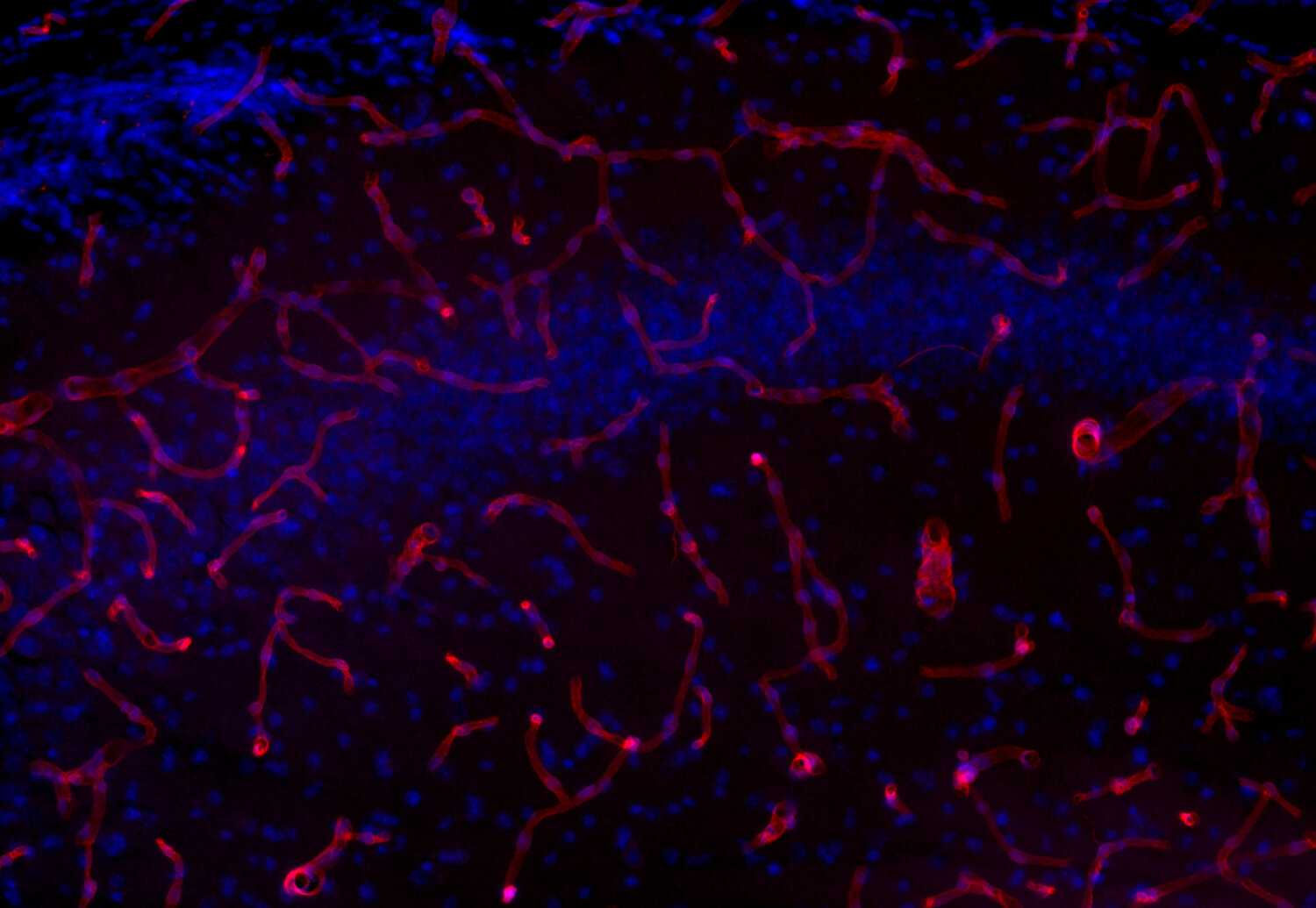
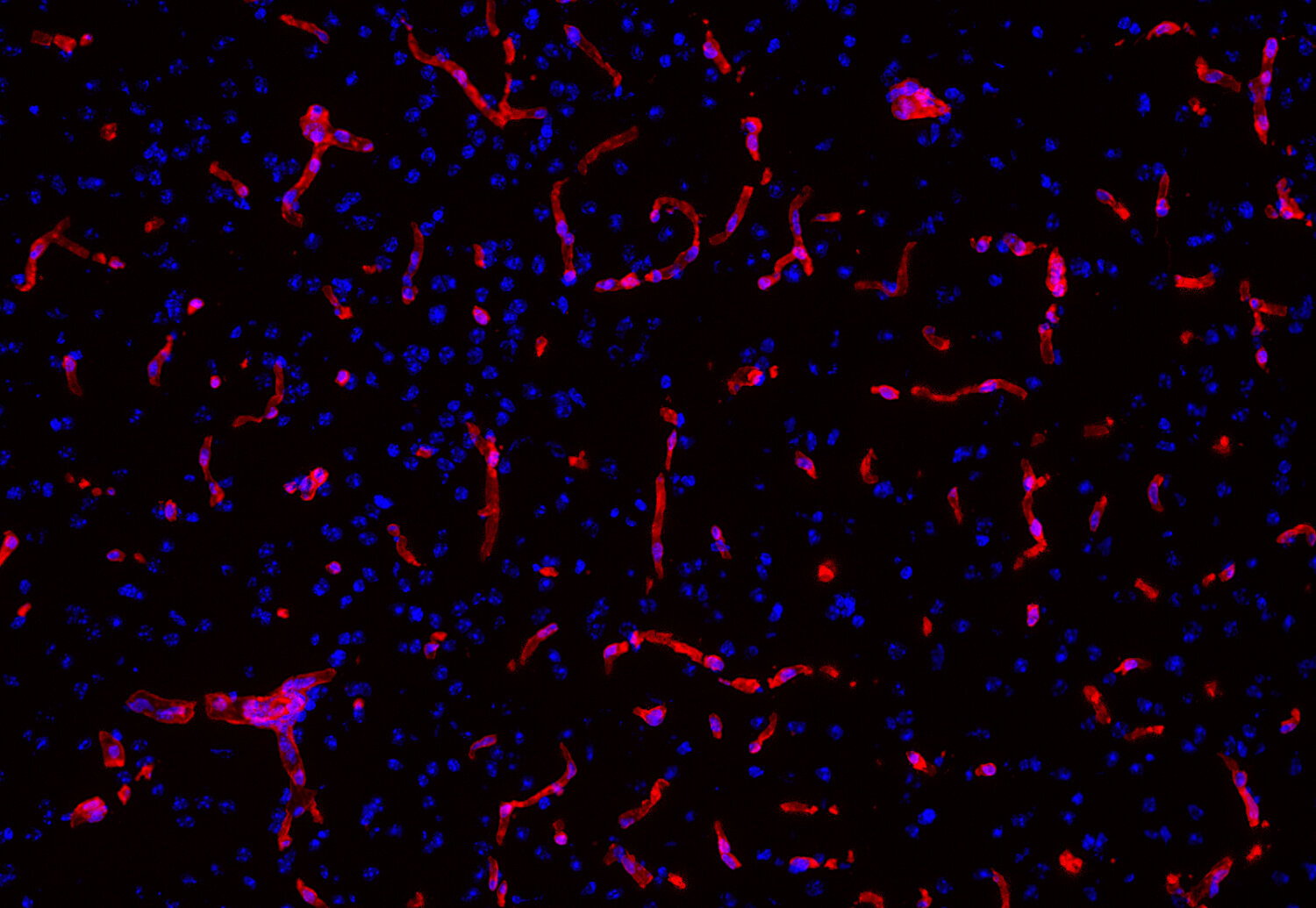
Cat. No.: 462 017
Amount: 100 µg
Price:
$420.00


|

|
|
| Cat. No. 462 017 |
100 µg purified IgG, lyophilized. Albumin and azide were added for stabilization. For reconstitution add 100 µl H2O to get a 1mg/ml solution in PBS. Then aliquot and store at -20°C to -80°C until use. Antibodies should be stored at +4°C when still lyophilized. Do not freeze! |
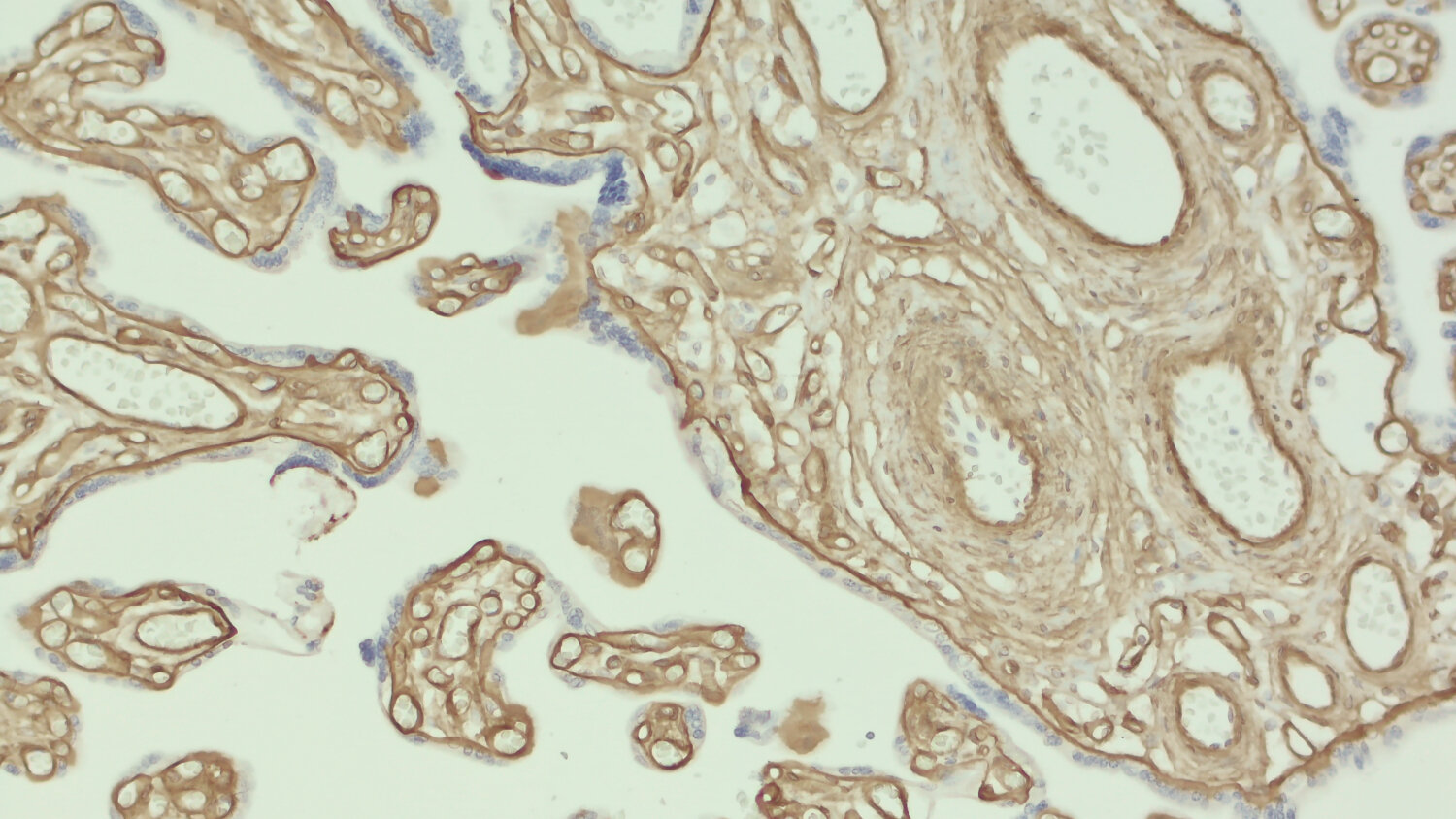
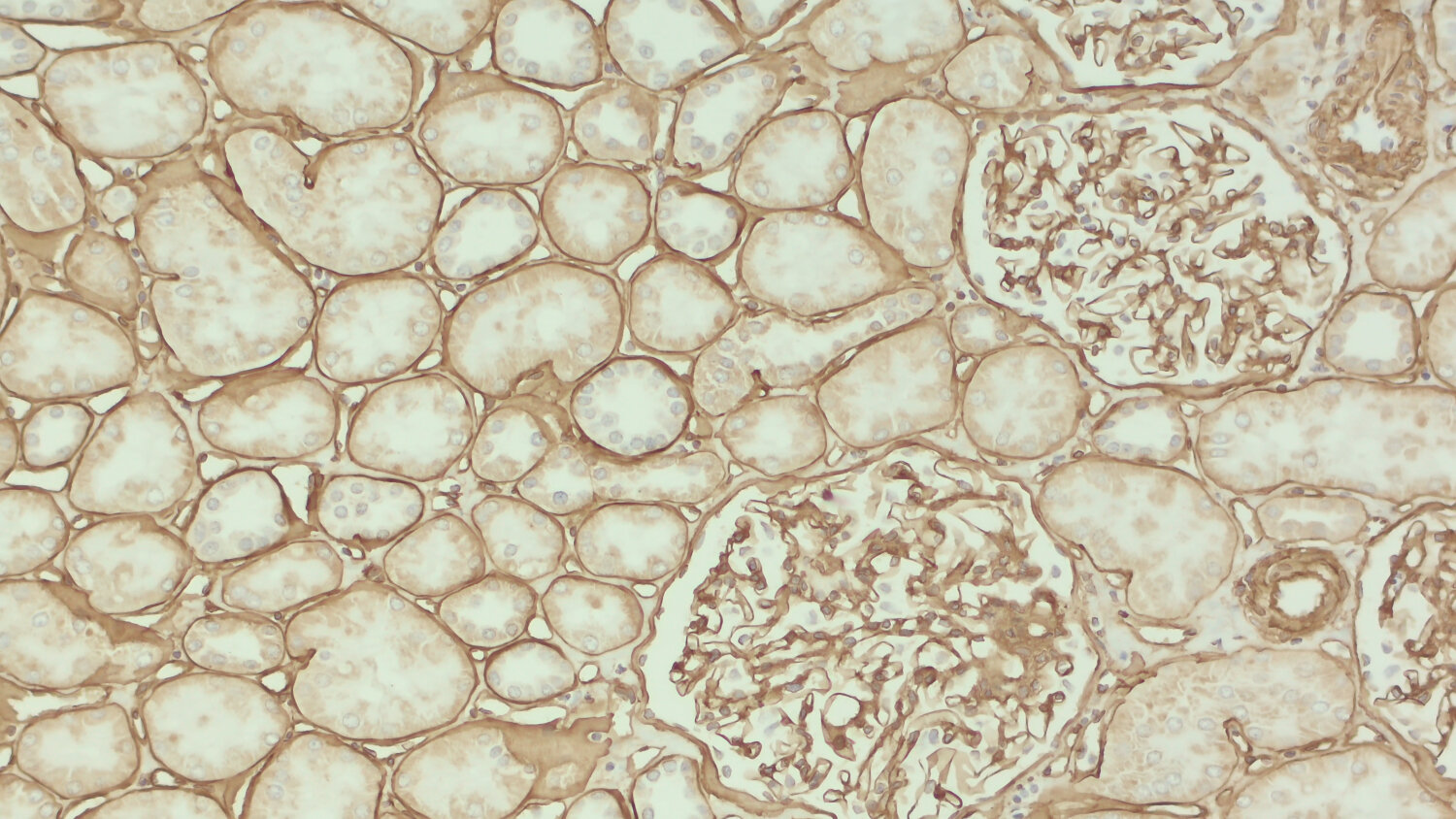
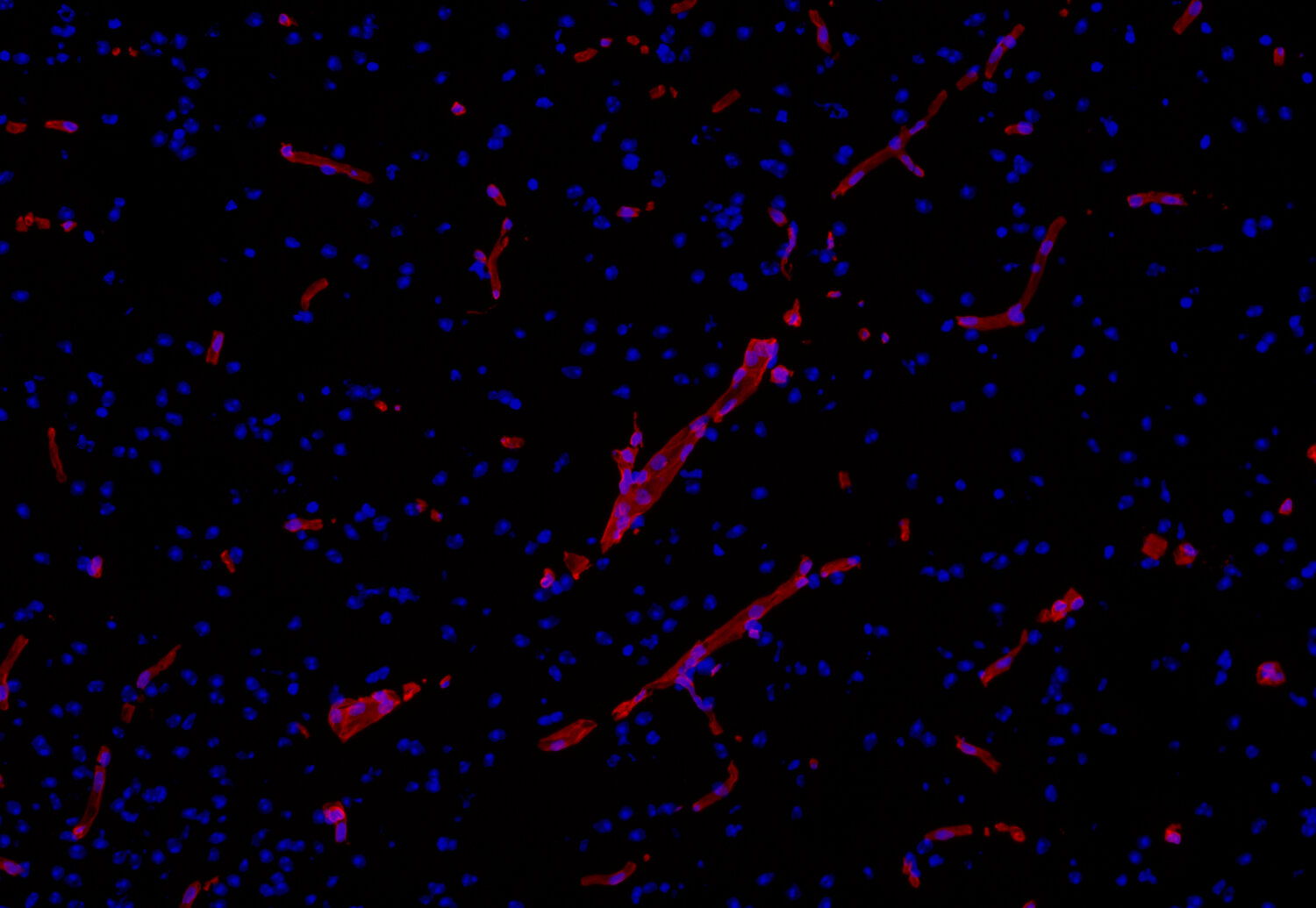
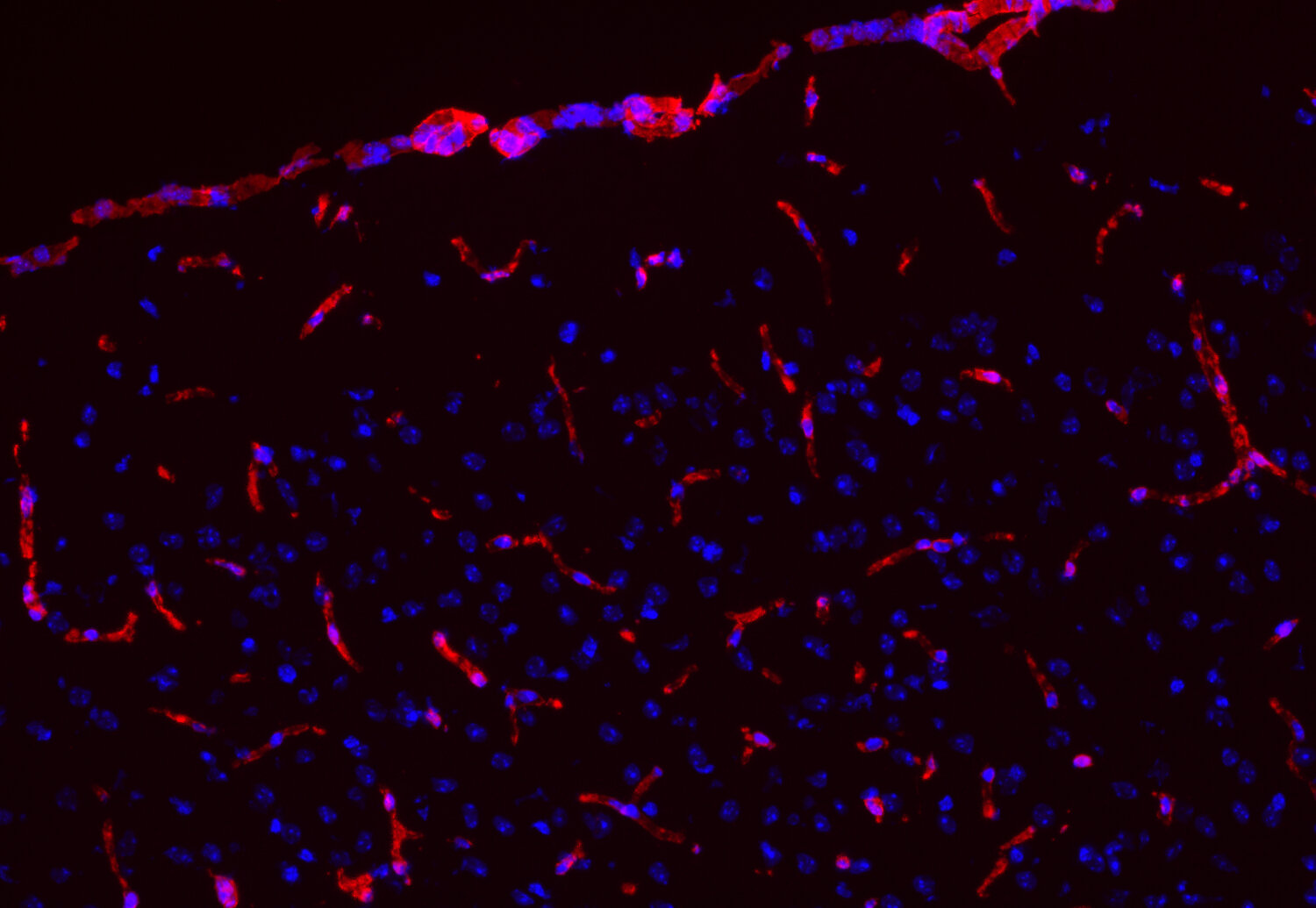
| Applications | |
| Clone | SY-245D2 |
| Subtype | IgG2a (κ light chain) |
| Immunogen | Human heterotrimeric Collagen type IV containing two α 1-like (UniProt Id: P02462) and one α 2-like (UniProt Id: P08572) chains. |
| Reactivity |
Reacts with: mouse (P02463), mouse (P08122), human (P02462), human (P08572). No signal: rat (F1MA59), rat (F1M6Q3). Other species not tested yet. |
| Remarks |
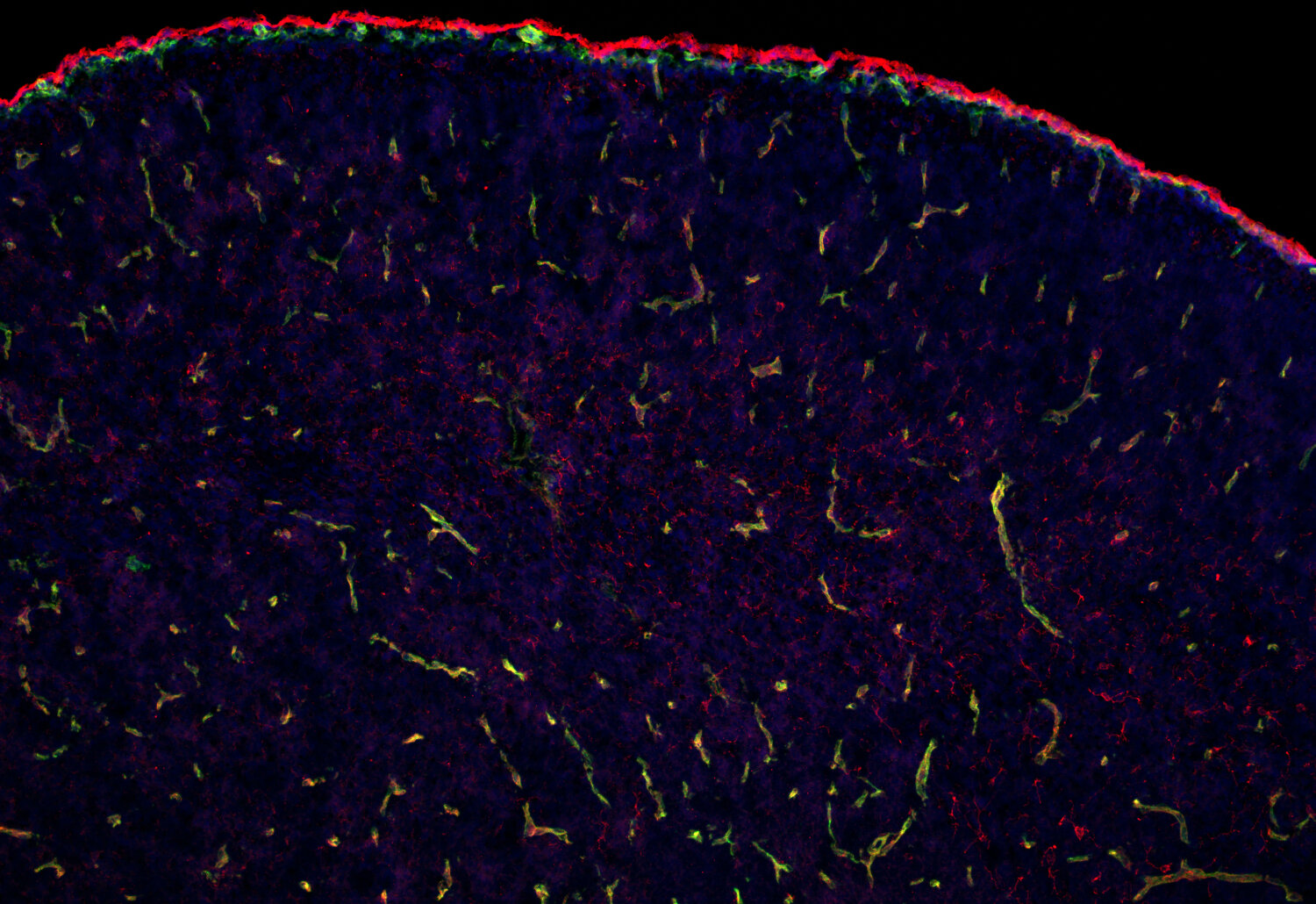
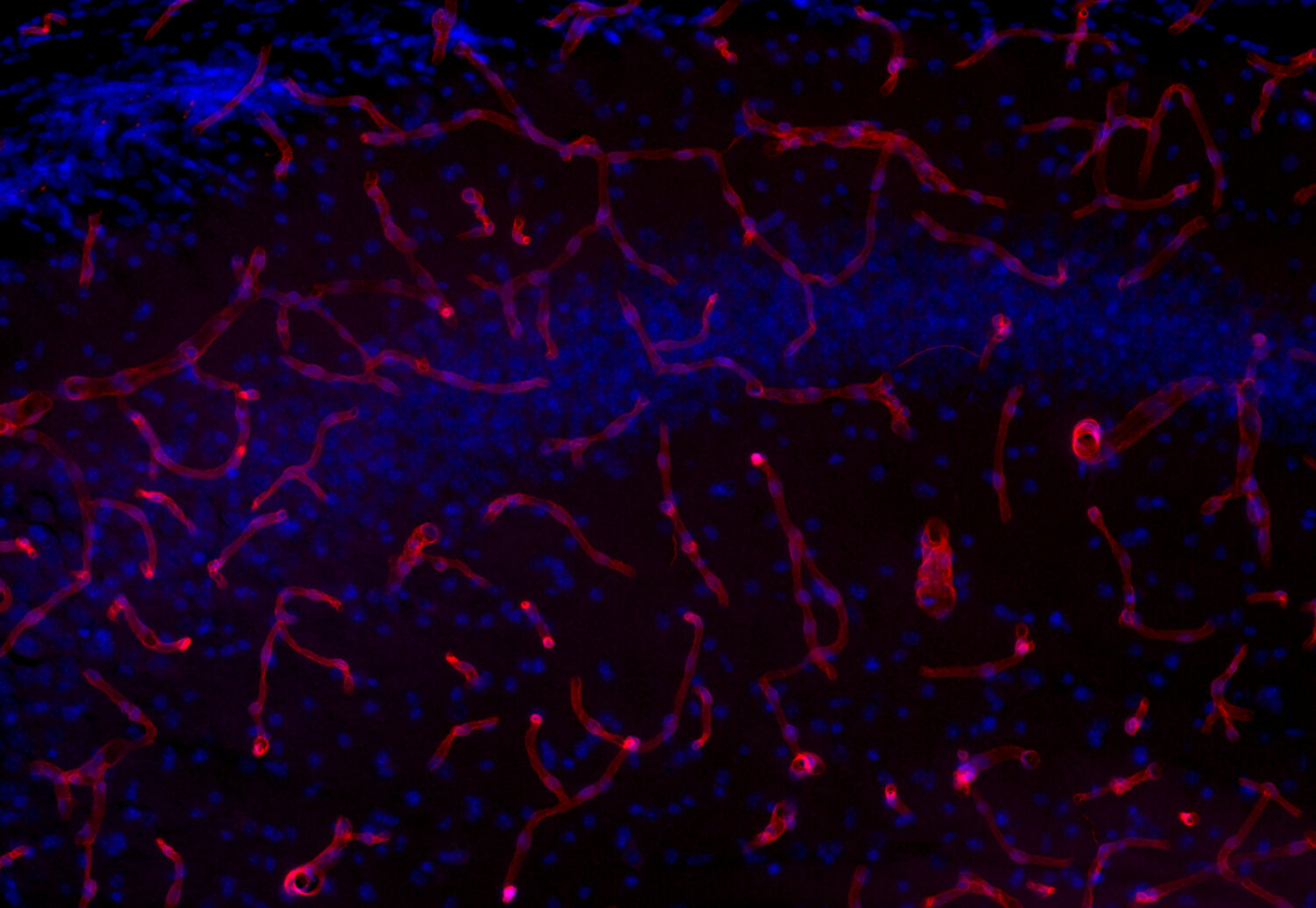
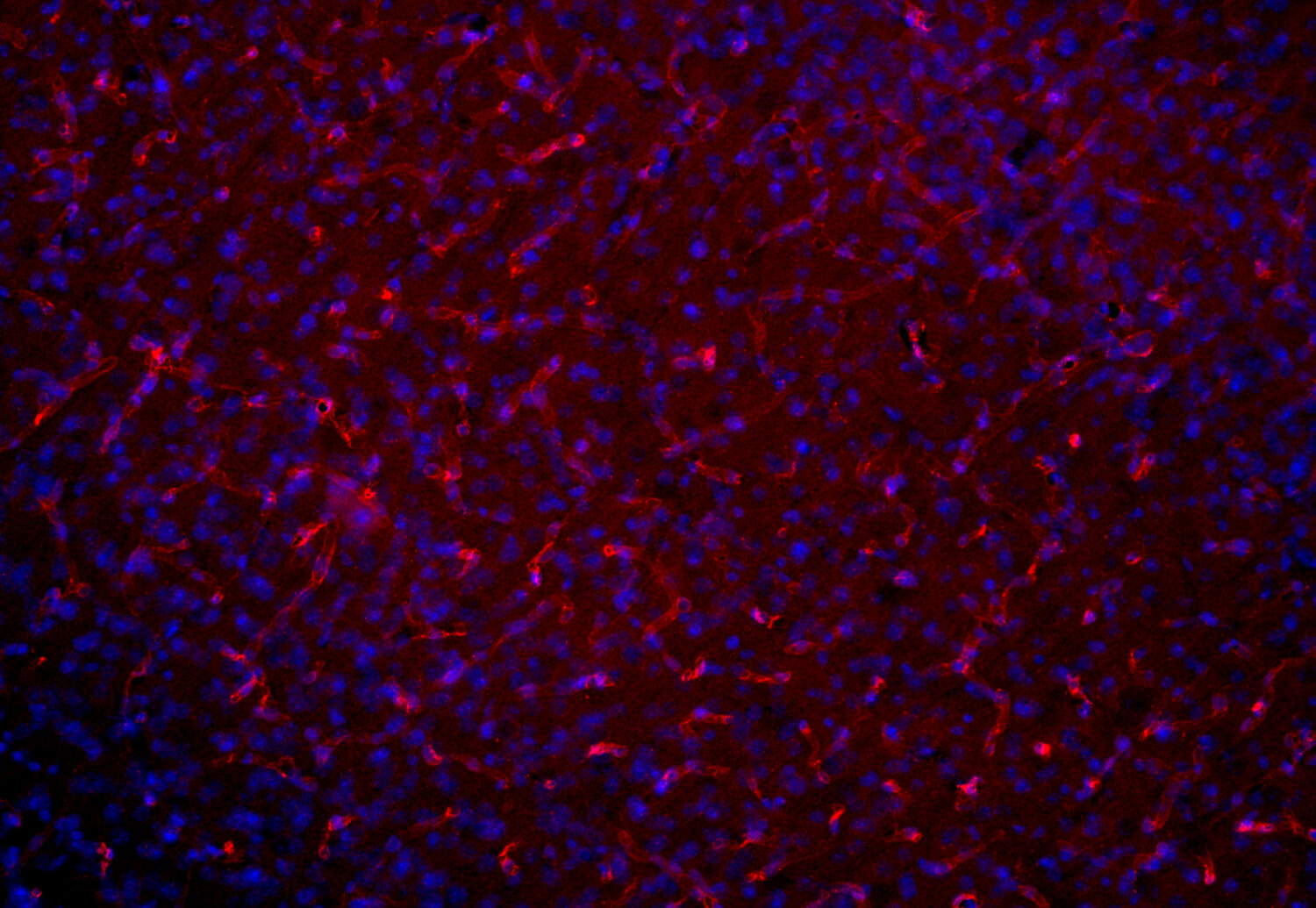
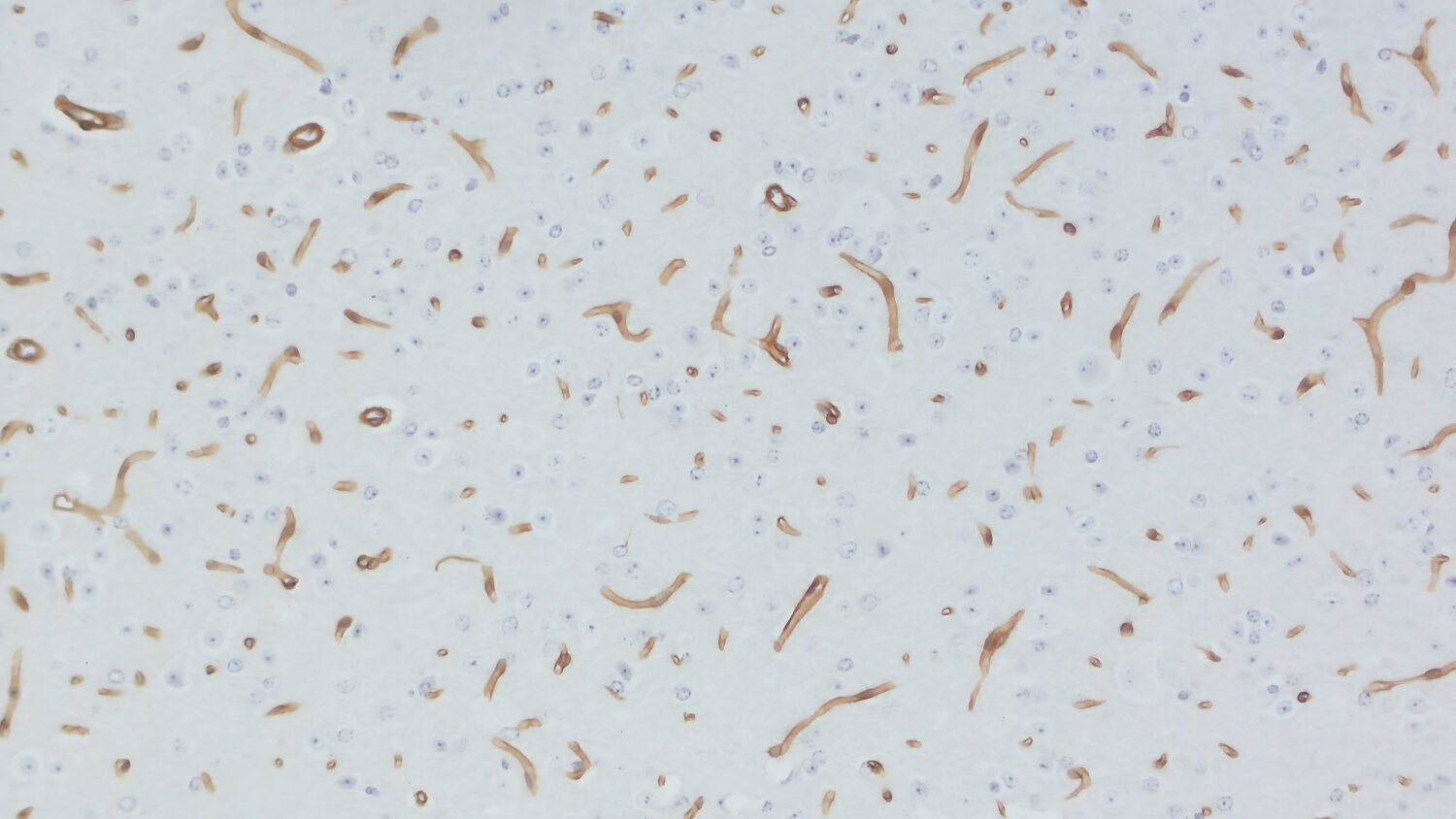
IHC: One of the following antigen retrievals is required: citrate buffer pH 6, pepsin. |
| Data sheet | Data Sheet 462_017 |
|
|
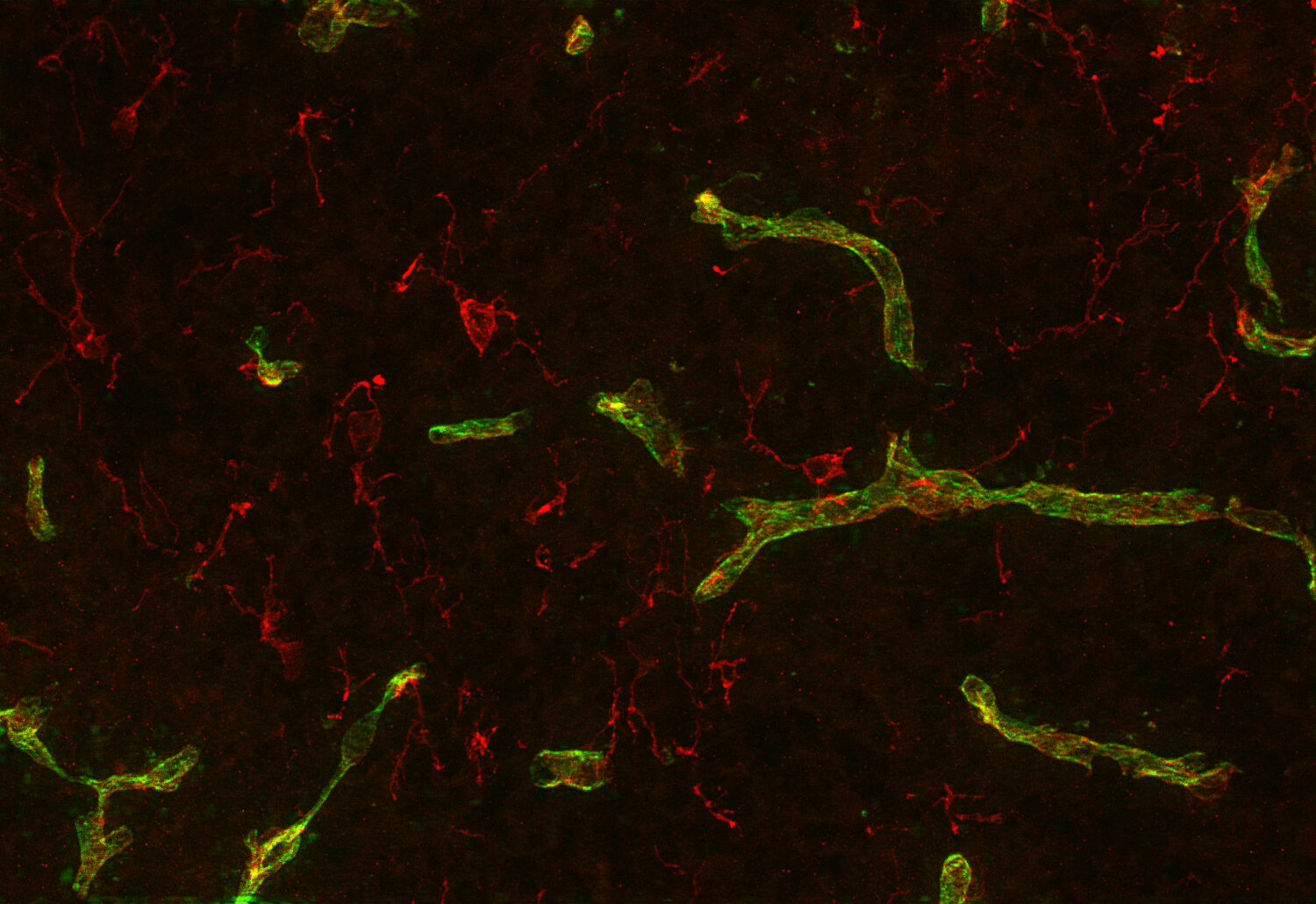
Collagen type IV is the most abundant structural component of the basement membrane, a specialized extracellular matrix, that supports epithelial and endothelial cells and separates tissues from their surrounding environments. Collagen type IV consists of polypeptide chains derived from six different alpha chains that assemble into three different collagen type IV isoforms. Unlike fibrillar collagens, collagen IV forms flexible, sheet-like networks that provide structural stability and interact with other basement membrane components, including laminins, nidogens, and proteoglycans (1,2).
The principal functions of collagen IV are to provide mechanical support, maintain basement membrane integrity, regulate cell adhesion, and contribute to tissue organization and cellular signaling. Through its interactions with cell-surface receptors and other extracellular matrix proteins, collagen IV also influences cellular behavior and tissue homeostasis (1).
Dysregulation of collagen IV is associated with several important diseases. Pathogenic variants can cause e.g. diabetic nephropathy, Alport syndrome, and cerebral small-vessel disease as well as increasing the risk of intracerebral hemorrhage and other neurological manifestations (2,3).
Certificates
ISO 9001 2015 Quality Management System and Green Lab Platinum certification level for sustaining laboratory processes.

Newsletter
Sign up for our newsletter and get the latest updates and news.