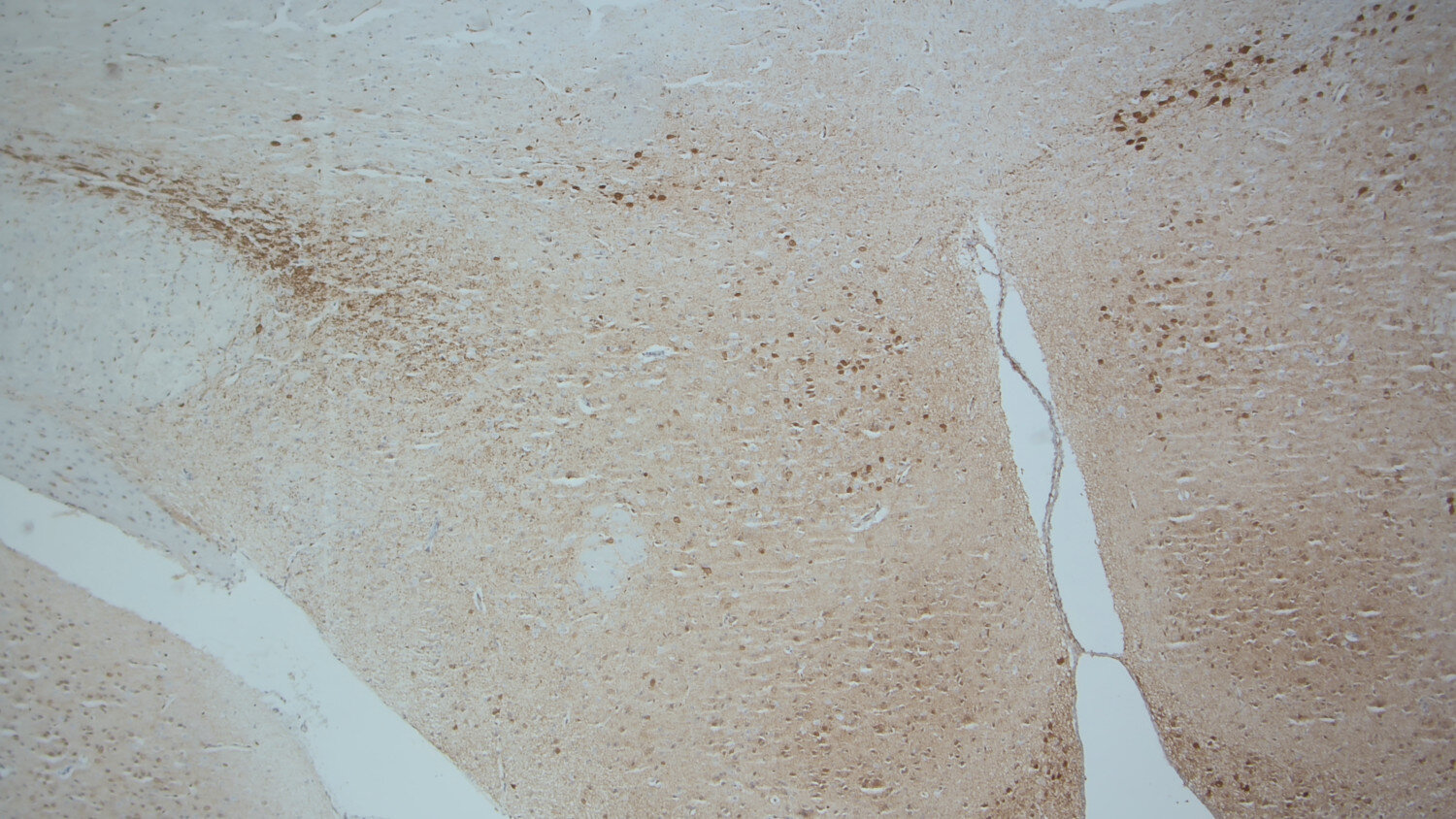
Cat. No.: 369 011
Amount: 100 µg
Price:
$420.00


|

|
|
| Cat. No. 369 011 |
100 µg purified IgG, lyophilized. Albumin and azide were added for stabilization. For reconstitution add 100 µl H2O to get a 1mg/ml solution in PBS. Then aliquot and store at -20°C to -80°C until use. Antibodies should be stored at +4°C when still lyophilized. Do not freeze! |
| Applications | |
| Clone | 126F10 |
| Subtype | IgG2b (κ light chain) |
| Immunogen | Full-length recombinant mouse DOPA decarboxylase (UniProt Id: O88533) |
| Reactivity |
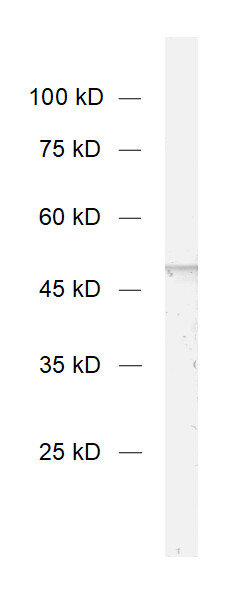
Reacts with: mouse (O88533), rat (P14173). Other species not tested yet. |
| Data sheet | Data Sheet 369_011 |
|
|
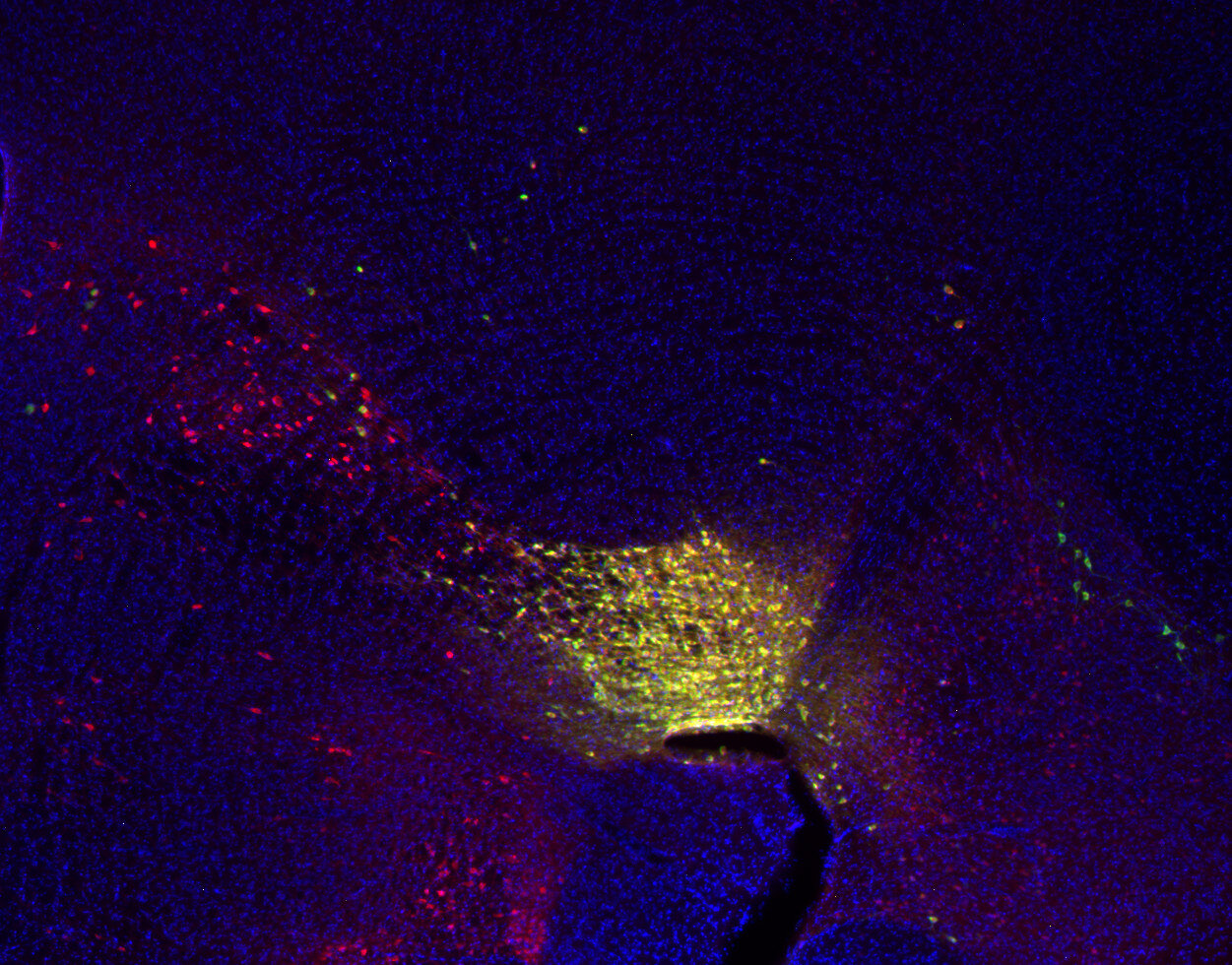
DOPA decarboxylase (DDC), also known as aromatic L-amino acid decarboxylase (AADC), is the final enzyme in the biosynthesis of dopamine and serotonin. It catalyzes the decarboxylation of L-DOPA to dopamine and 5-hydroxytryptophan to serotonin [1,2]. In addition, it is responsible for the synthesis of the trace amines phenylethylamine, p-tyramine, and tryptamine, which are considered to act as neuromodulators [3].
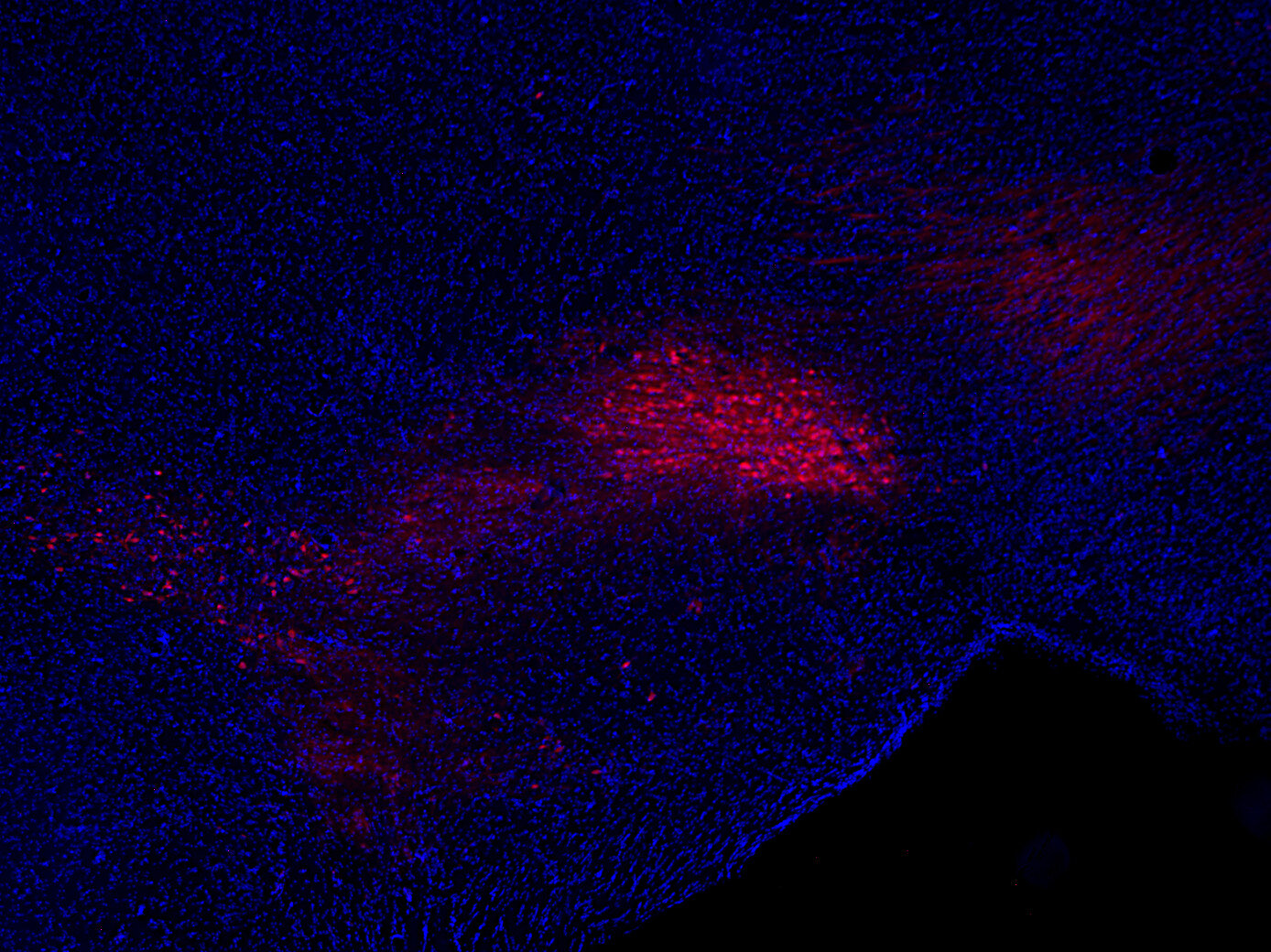
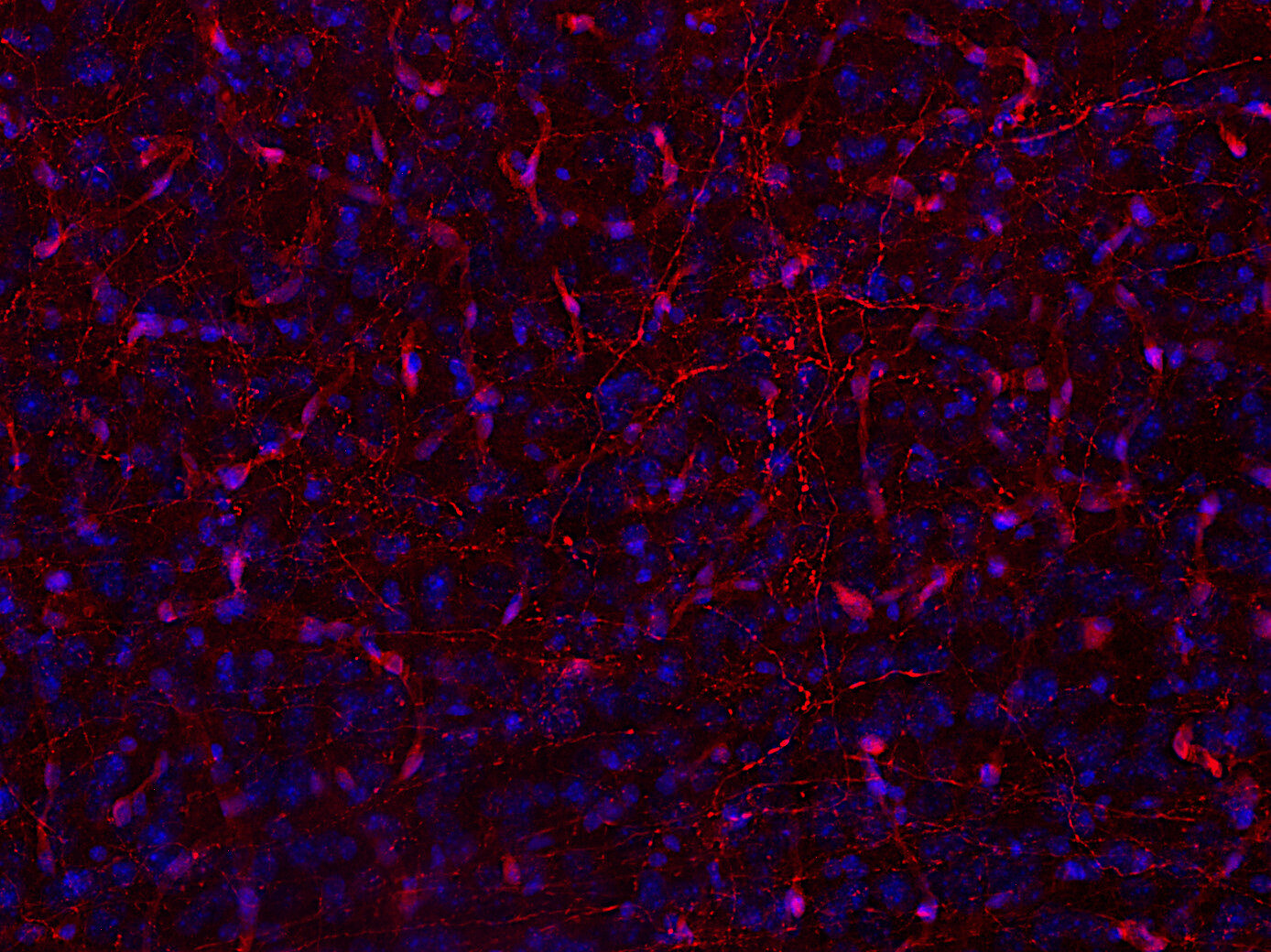
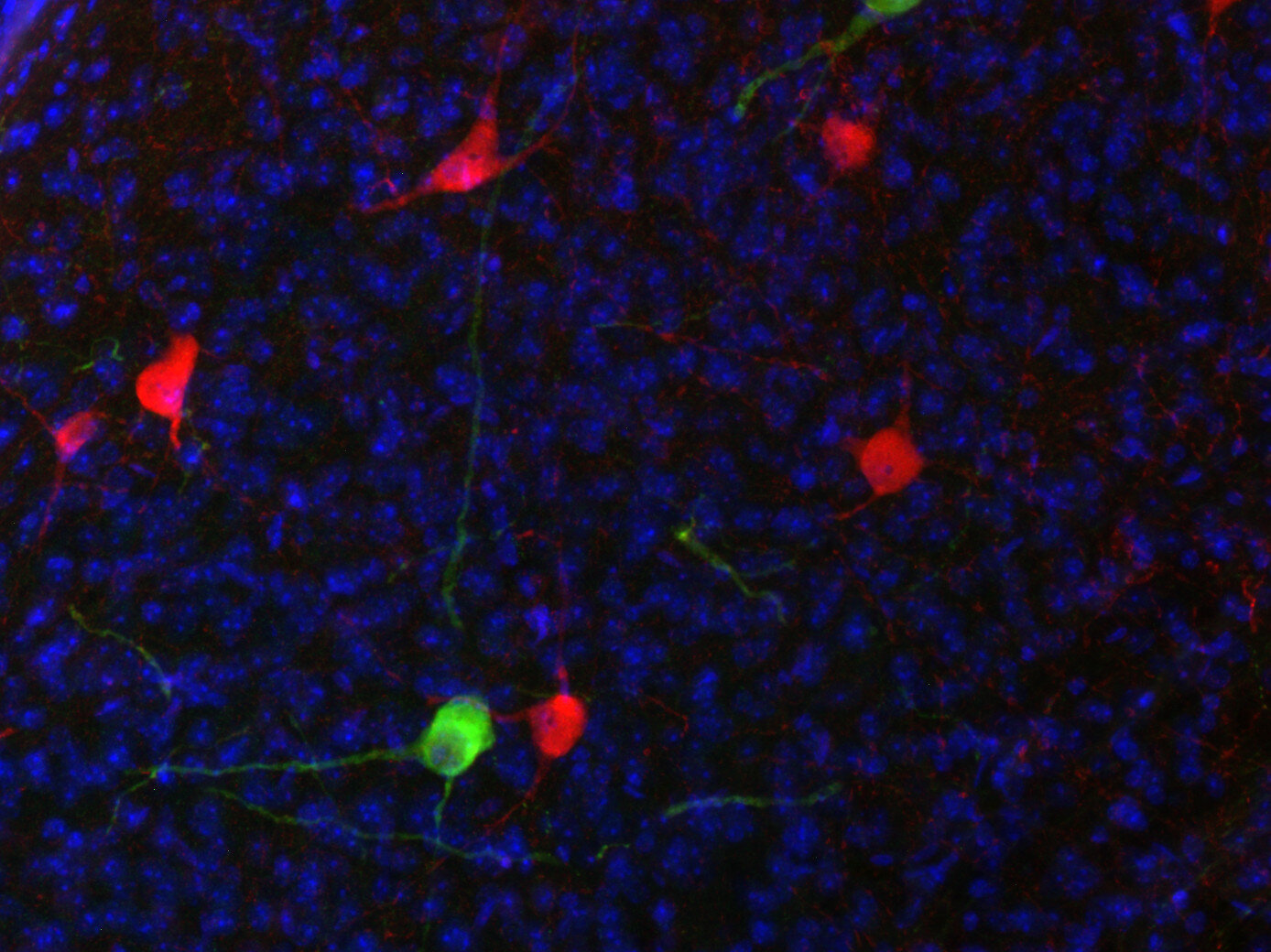
DDC is expressed in both neuronal and non-neuronal tissues, including the brain, liver, kidney, small intestine, ovary, and peripheral blood vessels. Tissue-specific expression is regulated by distinct neuronal and non-neuronal promoters, producing transcript isoforms with differences in their 5′ untranslated regions and alternative exons [1,4].
DDC has a central role in neurotransmitter biosynthesis and is therefore essential for dopaminergic and serotonergic signaling. In Parkinson’s disease, DDC is particularly important by mediating parts of the therapeutic effect of L-DOPA treatment [2,5]. Alterations in DDC activity or expression may influence the response to therapy and disease-associated neurotransmitter metabolism [2,6]. Evidence also suggests that altered circulating DDC activity may have potential as a biomarker for Parkinson’s disease [7].
Certificates
ISO 9001 2015 Quality Management System and Green Lab Platinum certification level for sustaining laboratory processes.

Newsletter
Sign up for our newsletter and get the latest updates and news.