Cat. No.: 369 008
Amount: 50 µg
Price:
$420.00


|

|
|
| Cat. No. 369 008 |
50 µg purified recombinant IgG, lyophilized. Albumin and azide were added for stabilization. For reconstitution add 50 µl H2O to get a 1mg/ml solution in PBS. Then aliquot and store at -20°C to -80°C until use. Antibodies should be stored at +4°C when still lyophilized. Do not freeze! |
| Applications | |
| Clone | Rb126F10 |
| Subtype | IgG1 (κ light chain) |
| Immunogen | Full-length recombinant mouse DOPA decarboxylase (UniProt Id: O88533) |
| Reactivity |
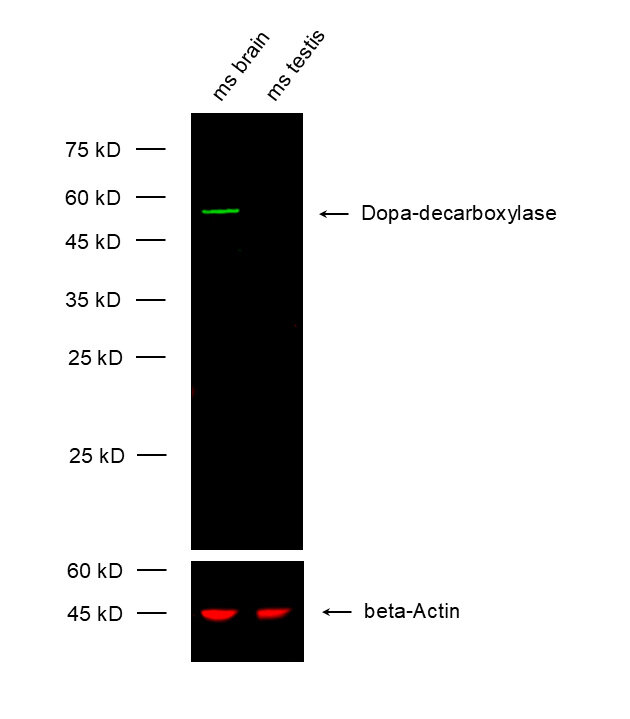
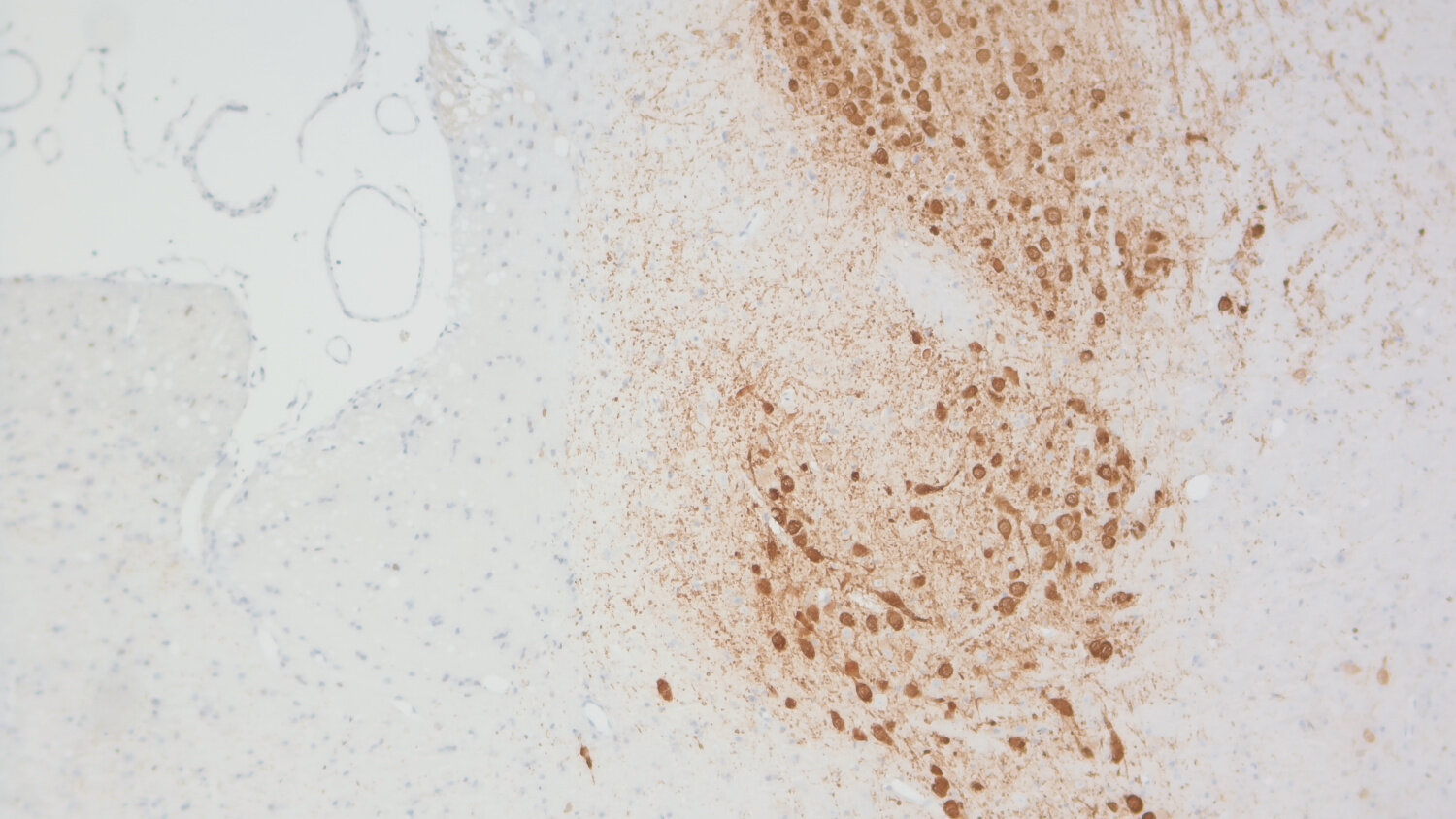
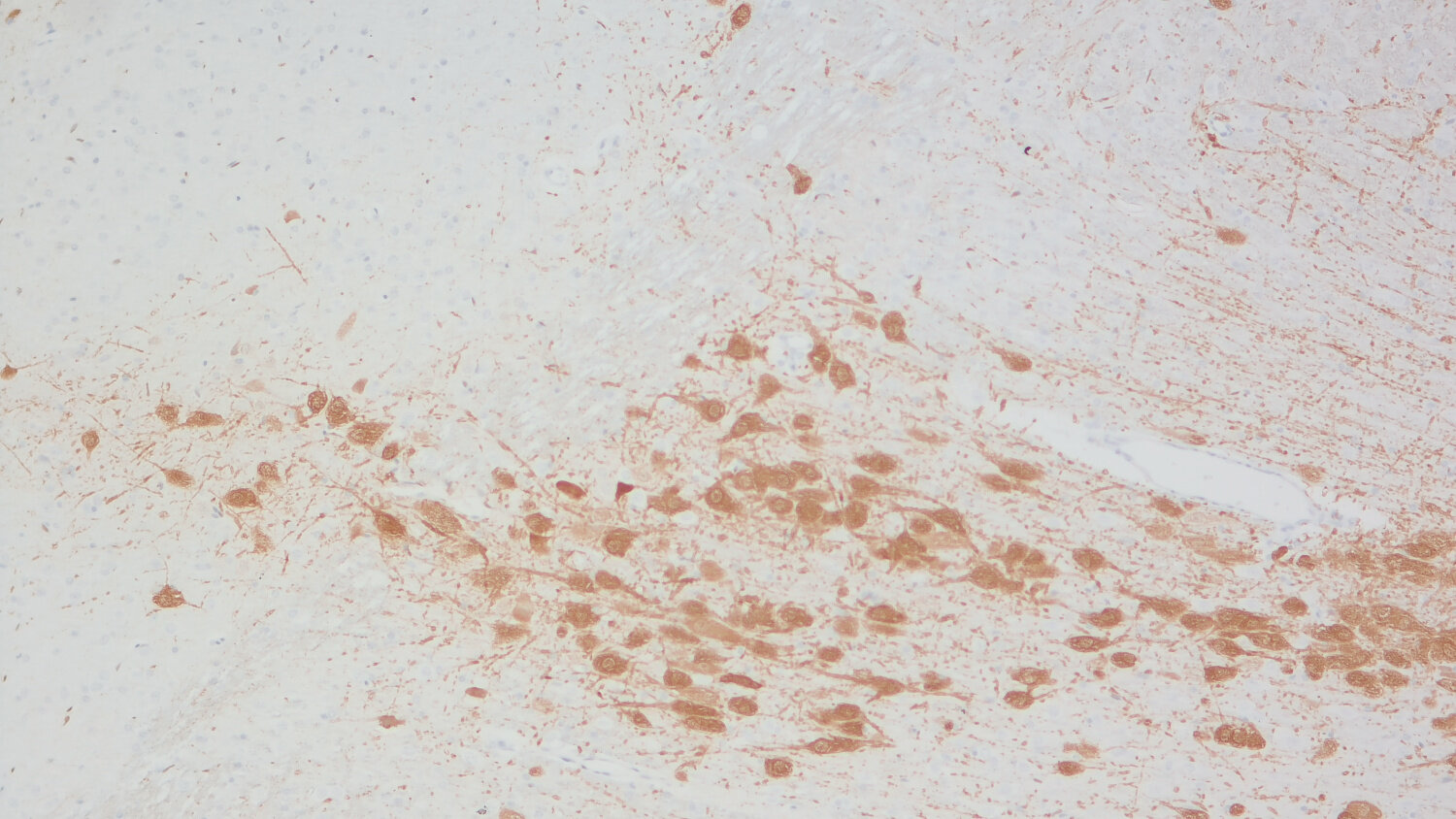
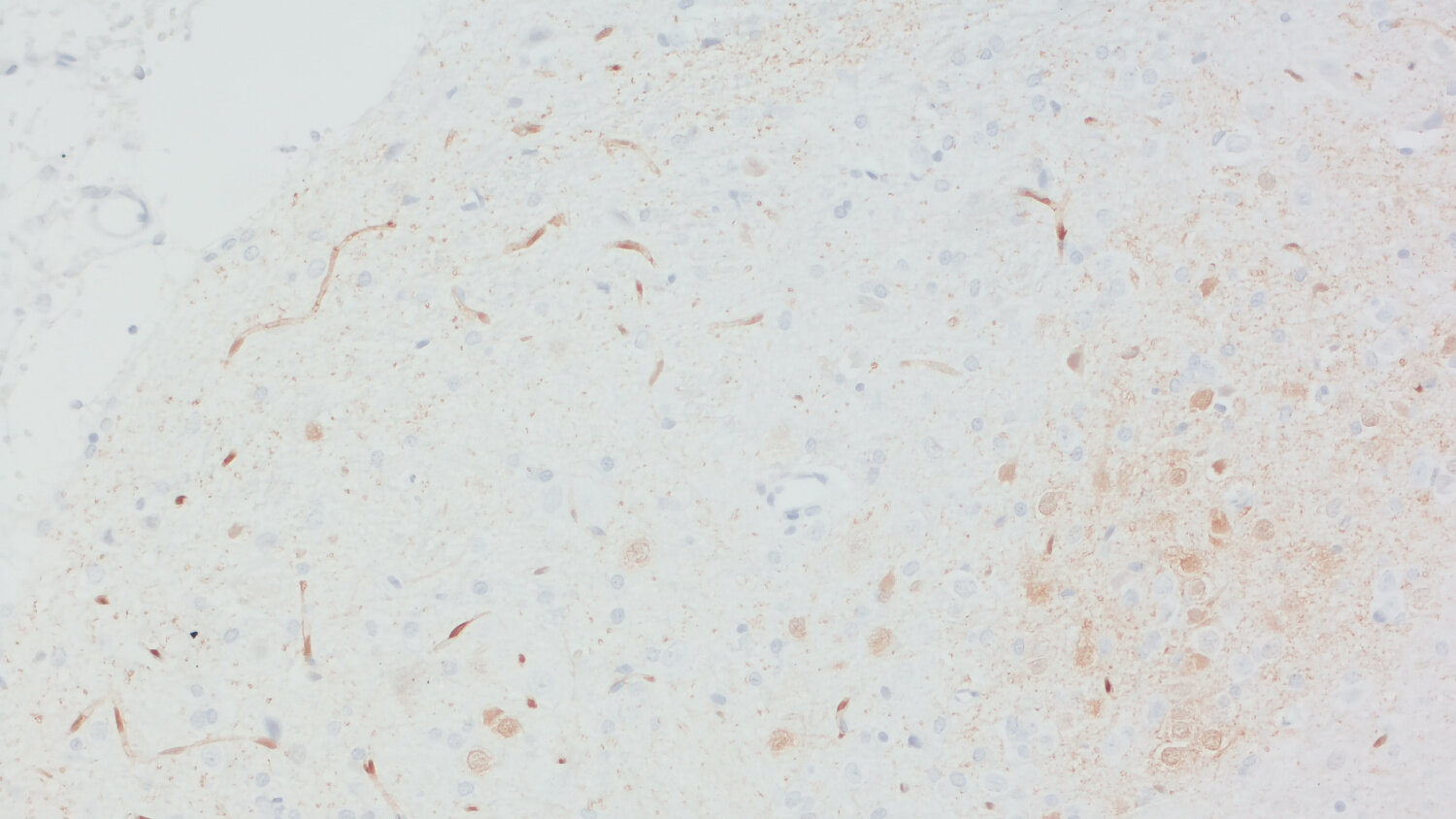
Reacts with: mouse (O88533), rat (P14173). Other species not tested yet. |
| Remarks |
This antibody is a chimeric antibody based on the monoclonal mouse antibody clone 126F1. The constant regions of the heavy and light chains have been replaced with rabbit specific sequences. Therefore, the antibody can be used with standard anti-rabbit secondary reagents. The antibody has been expressed in mammalian cells. |
| Data sheet | Data Sheet 369_008 |
|
|
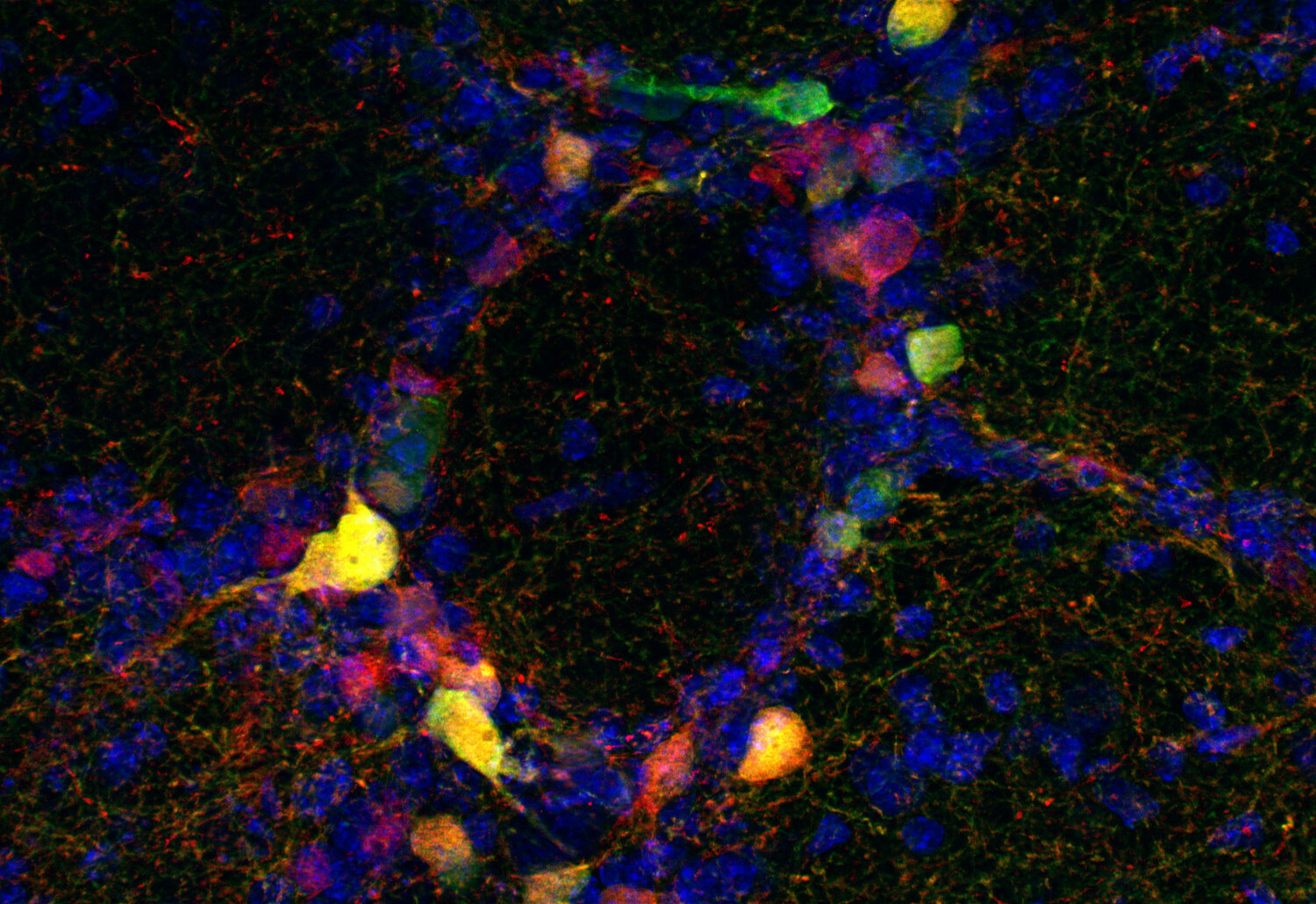
Immunofluorescence image of a rat olfactory bulb section stained for DOPA decarboxylase (red) and Tyrosine hydroxylase (green)
DOPA decarboxylase (DDC), also known as aromatic L-amino acid decarboxylase (AADC), is the final enzyme in the biosynthesis of dopamine and serotonin. It catalyzes the decarboxylation of L-DOPA to dopamine and 5-hydroxytryptophan to serotonin [1,2]. In addition, it is responsible for the synthesis of the trace amines phenylethylamine, p-tyramine, and tryptamine, which are considered to act as neuromodulators [3].
DDC is expressed in both neuronal and non-neuronal tissues, including the brain, liver, kidney, small intestine, ovary, and peripheral blood vessels. Tissue-specific expression is regulated by distinct neuronal and non-neuronal promoters, producing transcript isoforms with differences in their 5′ untranslated regions and alternative exons [1,4].
DDC has a central role in neurotransmitter biosynthesis and is therefore essential for dopaminergic and serotonergic signaling. In Parkinson’s disease, DDC is particularly important by mediating parts of the therapeutic effect of L-DOPA treatment [2,5]. Alterations in DDC activity or expression may influence the response to therapy and disease-associated neurotransmitter metabolism [2,6]. Evidence also suggests that altered circulating DDC activity may have potential as a biomarker for Parkinson’s disease [7].
Certificates
ISO 9001 2015 Quality Management System and Green Lab Platinum certification level for sustaining laboratory processes.


Newsletter
Sign up for our newsletter and get the latest updates and news.