Cat. No.: 197 008
Amount: 50 µg
Price:
$420.00


|

|
|
| Cat. No. 197 008 |
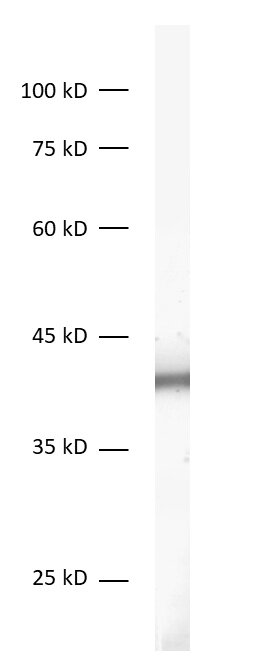
50 µg purified recombinant IgG, lyophilized. Albumin and azide were added for stabilization. For reconstitution add 50 µl H2O to get a 1mg/ml solution in PBS. Then aliquot and store at -20°C to -80°C until use. Antibodies should be stored at +4°C when still lyophilized. Do not freeze! |
| Applications | |
| Clone | Rb180C1 |
| Subtype | IgG1 (κ light chain) |
| Immunogen | Recombinant protein corresponding to residues near the amino terminus of mouse ZnT3 (UniProt Id: P97441) |
| Reactivity |
Reacts with: rat (Q6QIX3), mouse (P97441). No signal: zebrafish. Other species not tested yet. |
| Specificity | K.O. validated |
| Matching control protein/peptide | 197-0P |
| Remarks |
This antibody is a chimeric antibody based on the monoclonal mouse antibody 180C1. The constant regions of the heavy and light chains have been replaced with rabbit specific sequences. The antibody can therefore be used with standard anti-rabbit secondary reagents. The antibody has been expressed in mammalian cells. |
| Data sheet | Data Sheet 197_008 |
|
|
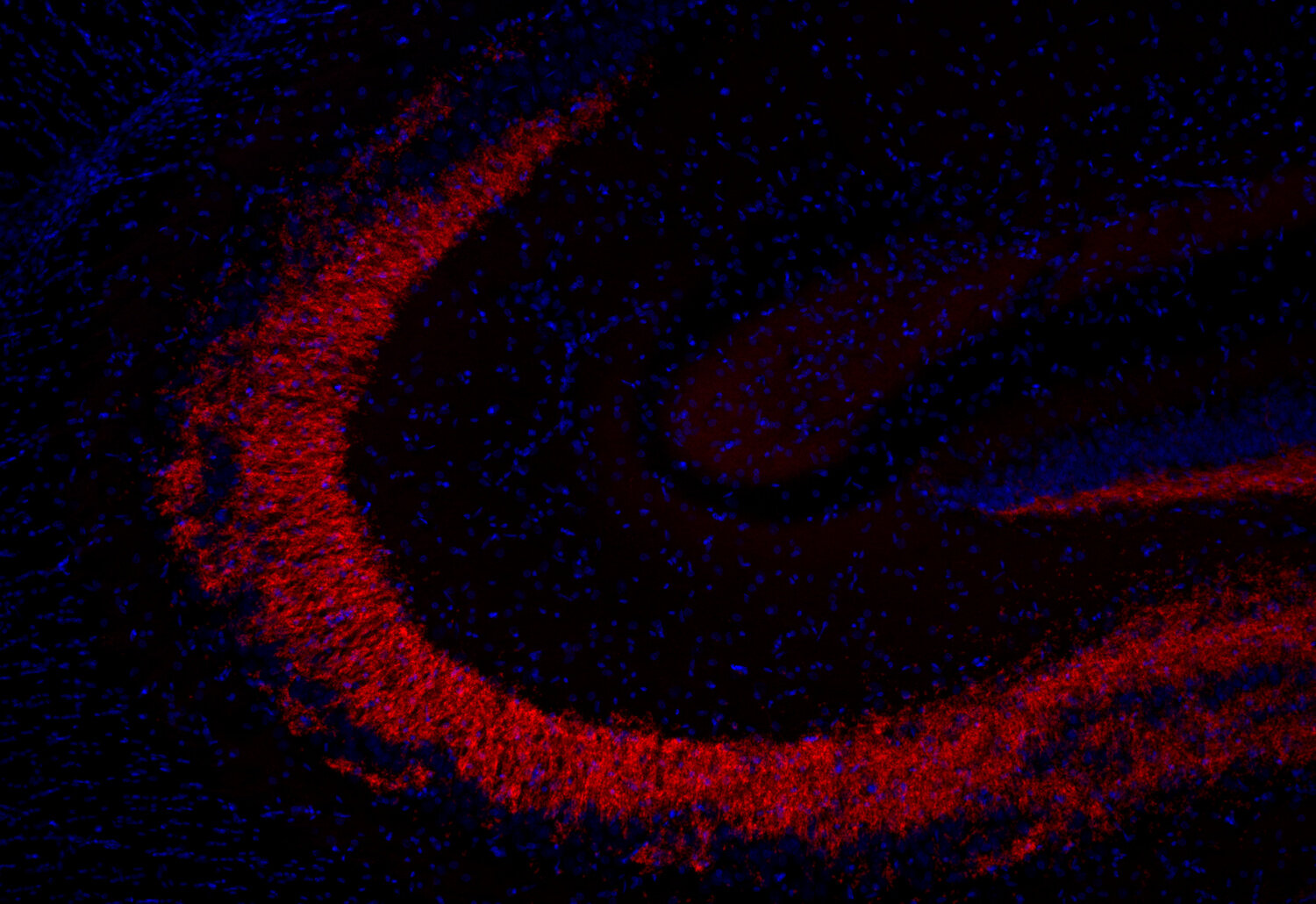
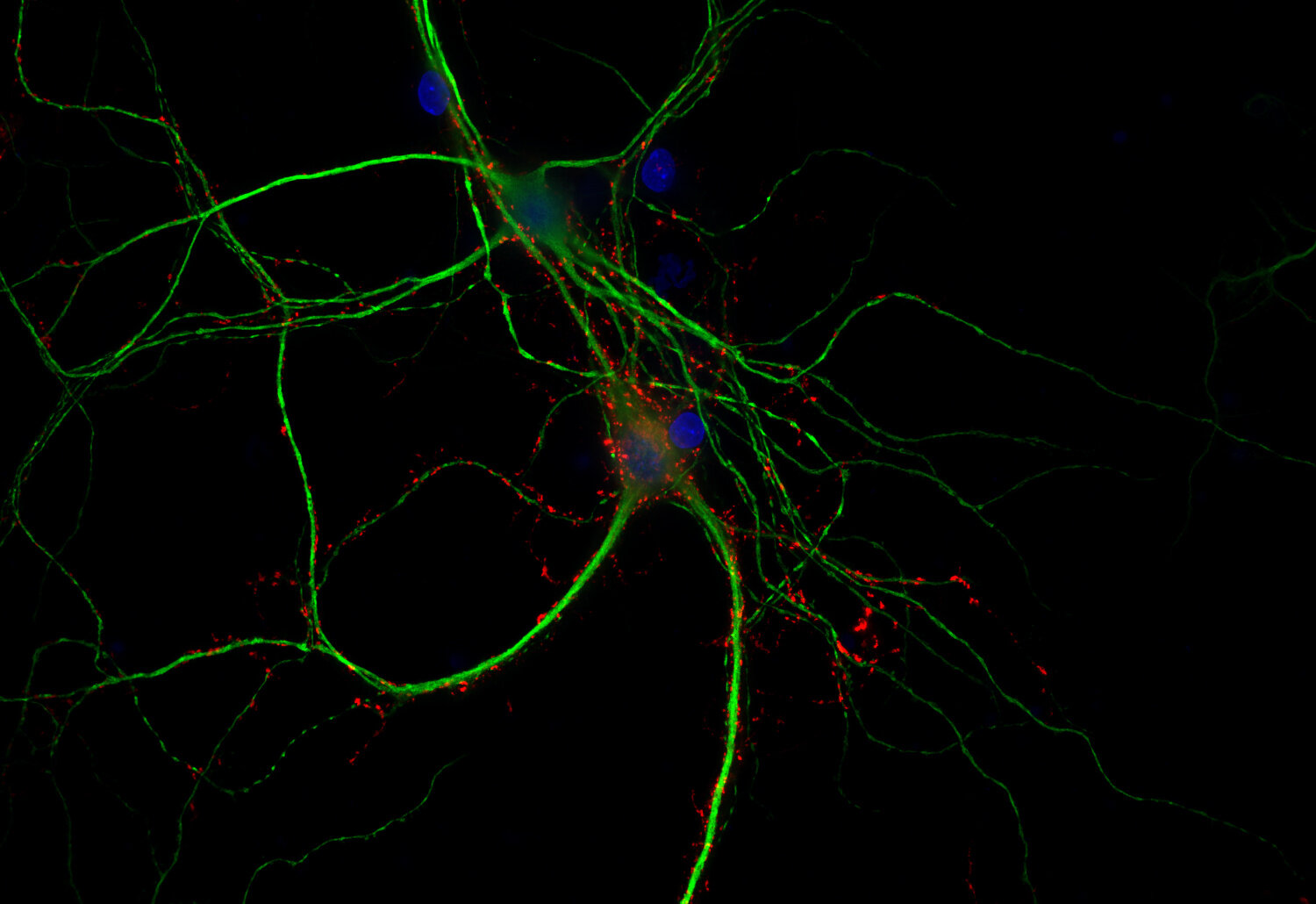
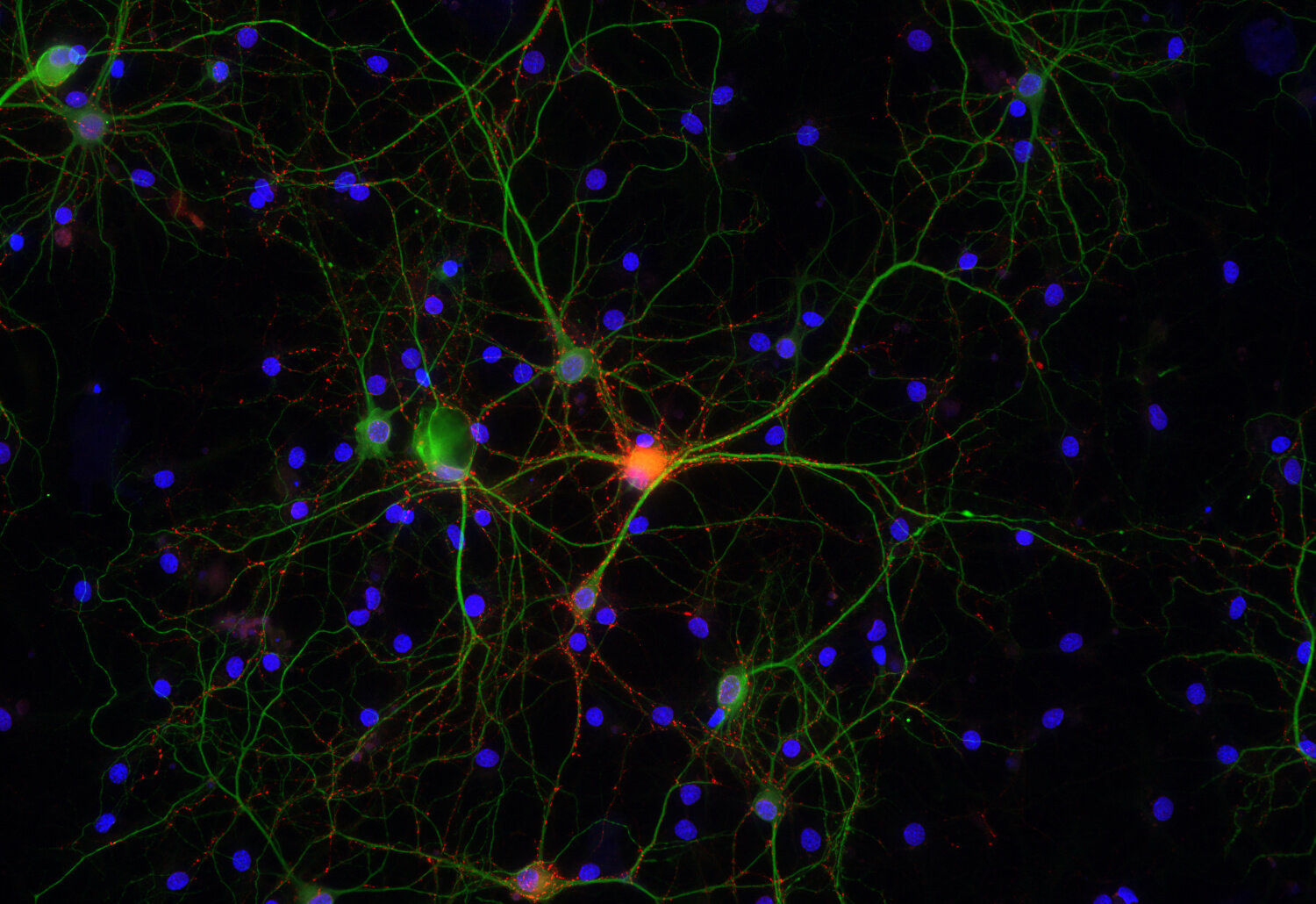
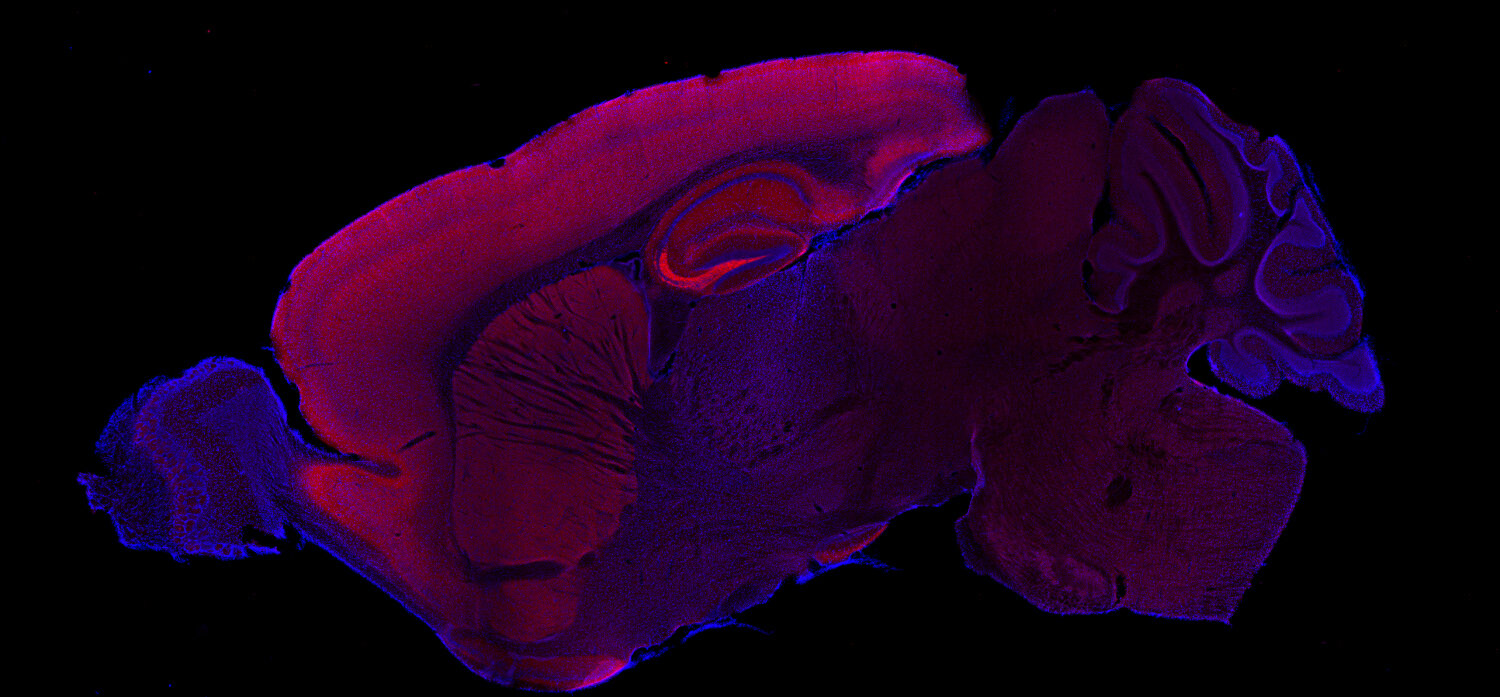
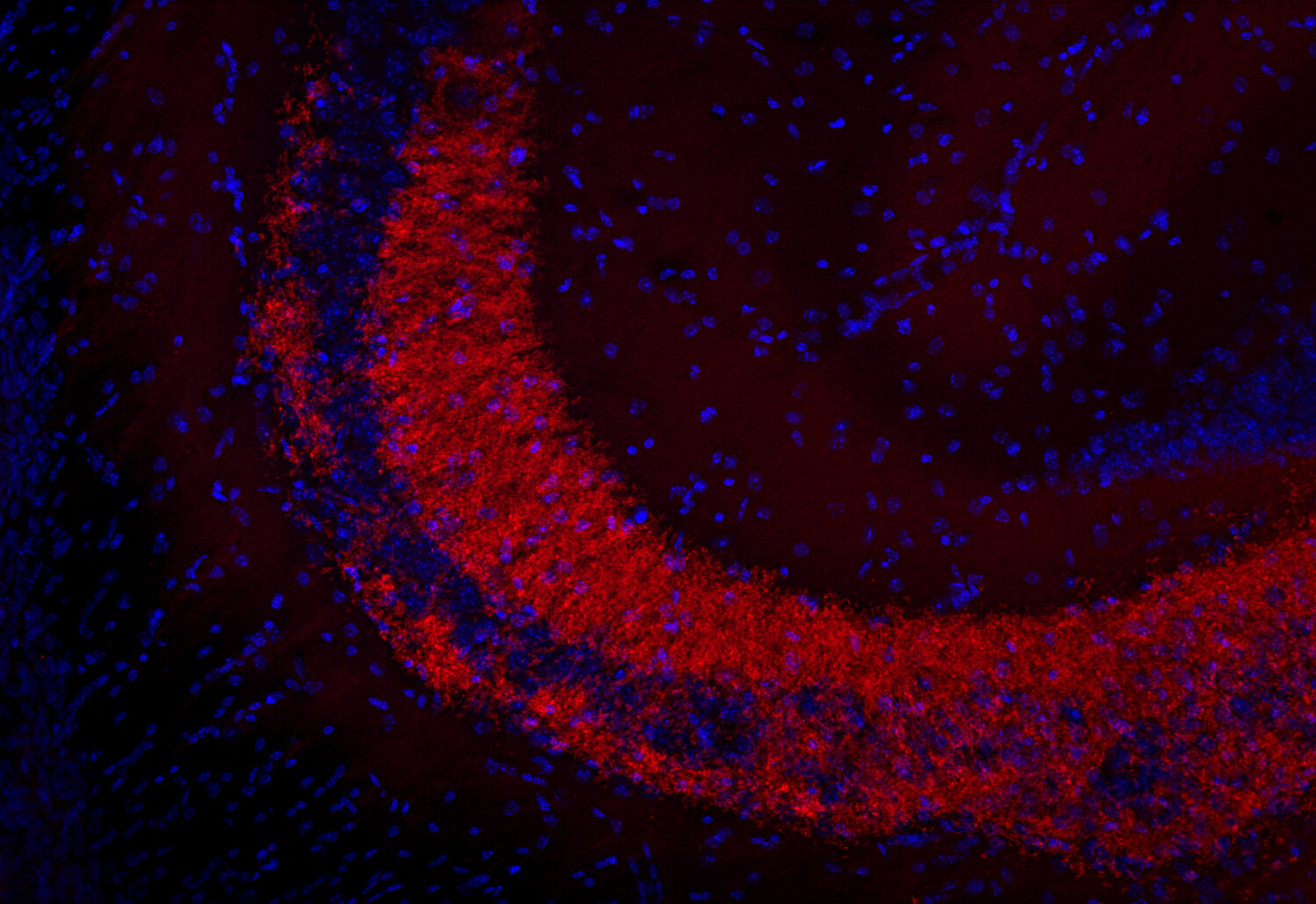
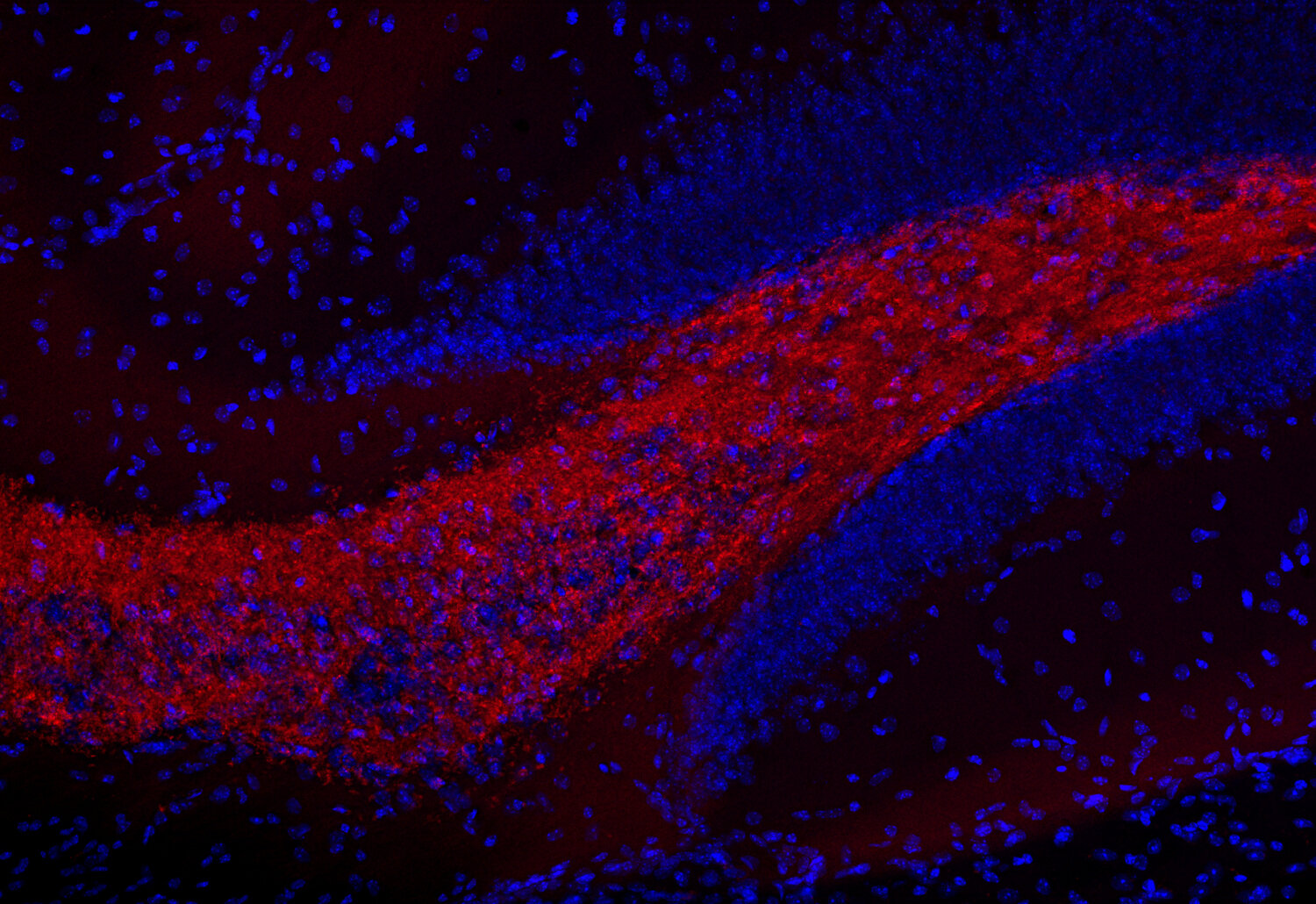
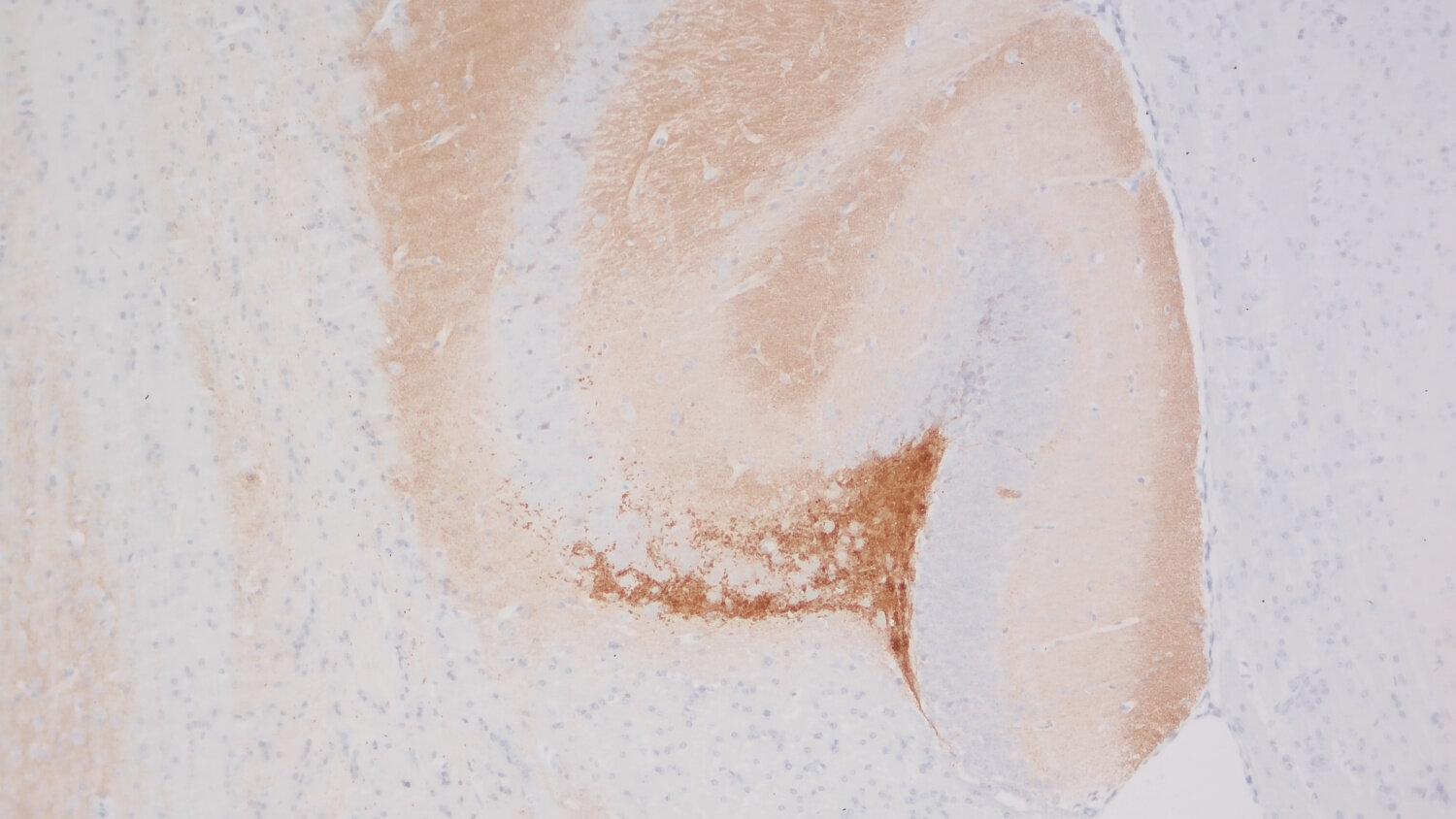
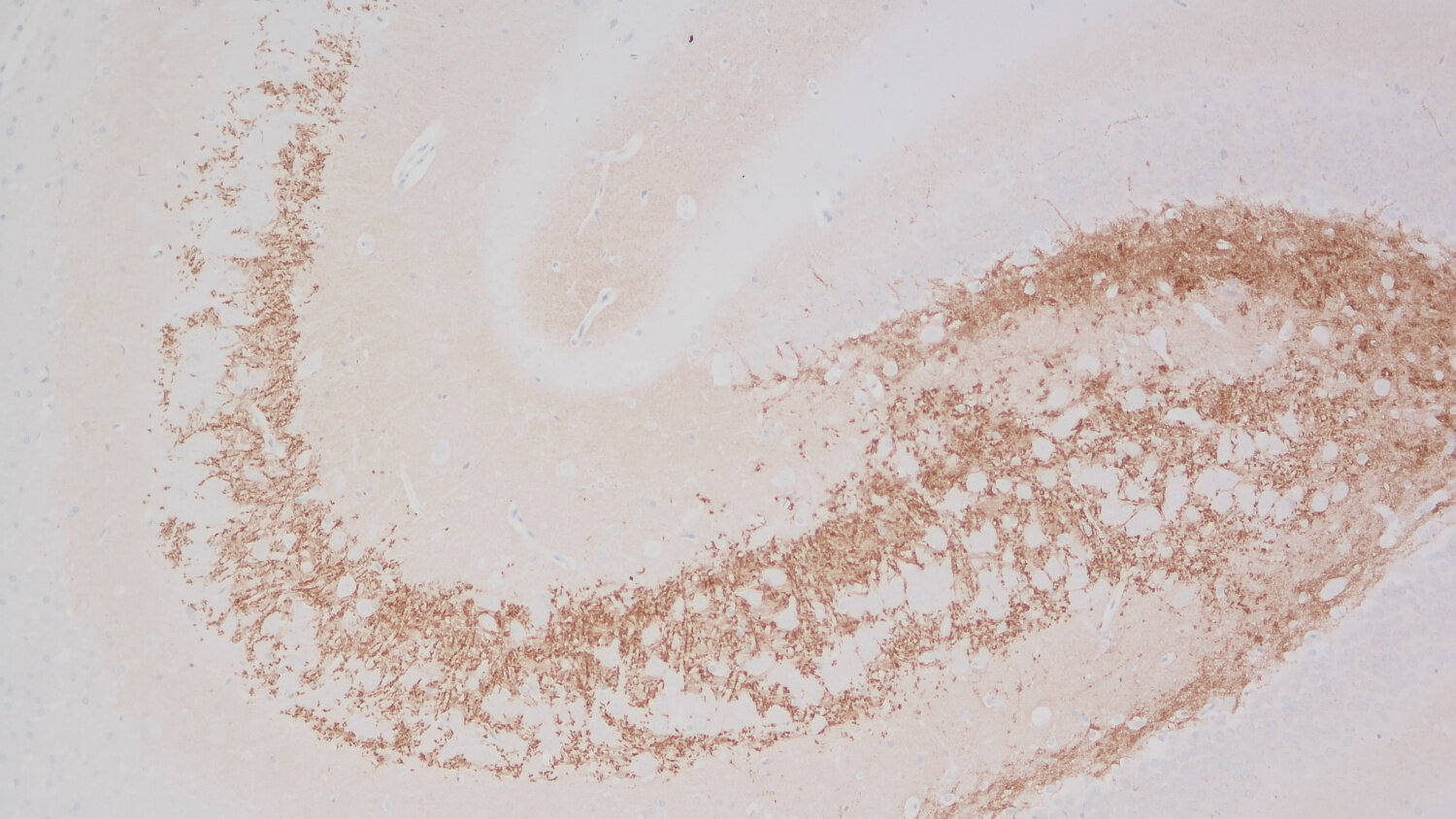
ZnT3 (red) staining in a rat hippocampus section
The essential micronutrient zinc (Zn2+) plays an important role in many biological processes like growth, development, and reproduction. It is found in the active site of many enzymes, where ionization, polarization or replacement of Zn2+ bound water is involved in catalytic reactions. As a charged ion Zn2+ cannot cross biological membranes by simple diffusion and must be transported by specialized transport mechanisms. Two families of Zn2+ transporters, SLC30 (ZnT, Zn2+ transporter) and SLC39 (ZIP, Zinc (Zn2+)-Iron (Fe2+) permease), function in opposite directions to maintain cellular Zn2+ homeostasis (1).
Ten Zn2+ transporter proteins ZnT1-10 have been described. All of them contain several transmembrane domains and a histidine rich intracellular loop (2).
In the central nervous system Zn2+ plays important roles in synaptic function and plasticity. At synapses Zn2+ is stored in synaptic vesicles by a mechanism depending on the integral membrane protein ZnT3 (3). ZnT3 probably contributes to the prevention of aging-related cognitive loss, because ZnT3 expression levels fall with age and in patients with Alzheimer’s or Parkinson’s disease. Consistent with these results, aged ZnT3-KO mice exhibit deficits in learning and memory (3). ZnT3, along with other ZnT family members, is expressed in several endocrine organs, including the pituitary gland, adrenal glands, and thyroid but is absent in the pancreas (4). This transporter also plays an essential role in reproductive health as some studies have demonstrated ZnT3 expression in the ovary. It was reported that ZnT3 is expressed in mouse oocytes throughout all stages of follicular development, where it likely supports Zn2+ accumulation necessary for oocyte maturation. Disruption of ZnT3 in oocytes leads to impaired zinc storage, potentially compromising fertility (5). Interestingly, while ZnT3 mRNA is expressed in testis, no protein was detectable. This discrepancy between mRNA and protein levels highlights the importance of post-transcriptional regulation and protein stability in determining ZnT3’s functional presence in reproductive tissues (6).
For more information on protein expression pattern, please refer to the overview image in our SYSY Antibodies ATLAS.
Certificates
ISO 9001 2015 Quality Management System and Green Lab Platinum certification level for sustaining laboratory processes.


Newsletter
Sign up for our newsletter and get the latest updates and news.